

BLOG: NEWS, RECIPES AND ARTICLES
How to Understand and Treat Prediabetes
Prediabetes is a metabolic warning signal indicating something in the body’s energy regulation system is under strain.
To understand why prediabetes develops, we need to look beyond glucose and focus on the underlying metabolic processes driving it.
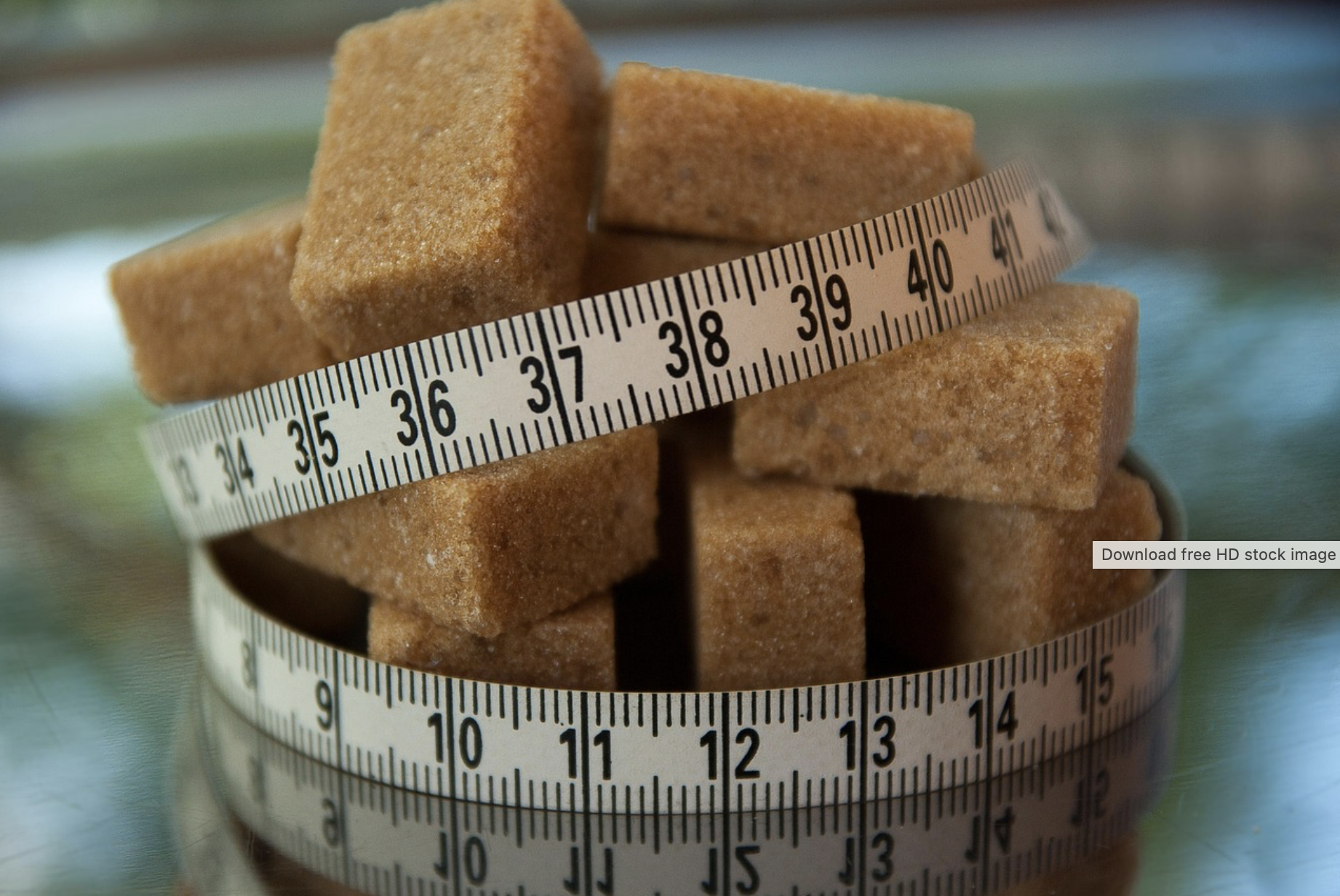
Prediabetes is a serious health condition where blood sugar levels are higher than normal, but not high enough yet to be diagnosed as type 2 diabetes. The CDC estimates that 2 in 5 American adults have prediabetes with more than 80% unaware of their condition. Prediabetes is a metabolic warning signal indicating something in the body’s energy regulation system is under strain.
Insulin is the hormone responsible for moving glucose out of the bloodstream and into your cells. In prediabetes, this system starts to break down. Cells become less responsive to insulin, so they don’t absorb glucose efficiently, a state known as insulin resistance. This process often develops silently over many years, even decades, before prediabetes or diabetes is formally diagnosed.
To understand why prediabetes develops, we need to look beyond glucose and focus on the underlying metabolic processes driving it.
Why Insulin Resistance Develops
There is rarely a single cause of insulin resistance. Instead, it typically develops from multiple overlapping factors affecting metabolism. Correcting insulin metabolism and prediabetes often requires a holistic approach by evaluating all of the factors below:
Chronic Inflammation
Low-grade inflammation interferes with insulin signaling inside cells. This type of inflammation often develops from excessive visceral abdominal fat, high ultra-processed food consumption, and poor gut health.
Nutrient Overload
Modern diets expose the body to a constant stream of energy, particularly from refined carbohydrates and ultra-processed foods. Over time the exposure to excessive nutrient dense calories may leads to accumulation of fat in the liver and muscle.
Loss of Muscle and Physical Inactivity
Skeletal muscle is the largest site of glucose metabolism in the body. When muscle mass is low or when muscles are not used regularly, the body loses one of its most important tools for regulating blood sugar. Research shows that even short periods of inactivity can significantly reduce insulin sensitivity. This becomes especially important in midlife, when age-related muscle loss begins to accelerate.
Hormonal Changes
Hormones strongly influence metabolic function. Changes in several hormones can affect insulin sensitivity, including estrogen fluctuations during perimenopause and menopause, testosterone decline in men, and thyroid dysfunction.
Poor Sleep
Sleep is one of the most powerful regulators of metabolism. Inadequate or fragmented sleep can increase cortisol levels, worsen insulin resistance, and increase hunger hormones. Conditions such as sleep apnea are strongly associated with metabolic dysfunction and increased risk of prediabetes.
Gut Microbiome Imbalance
The gut microbiome is increasingly recognized as a regulator of metabolic health. Healthy gut bacteria produce compounds such as short-chain fatty acids that help regulate inflammation and glucose metabolism. Adequate fiber consumption is important for gut health and metabolic health.
Environmental and Medication Factors
Some medications may also affect glucose metabolism, including certain statins, beta blockers and antipsychotics.
Genetic Susceptibility
Genetics can influence baseline risk for metabolic disease. However, genes alone rarely determine the outcome. In most cases, environment and lifestyle determine whether genetic risk is expressed. This is why two people with similar genetics can have very different metabolic outcomes.
Why Prediabetes Is Often Missed
Many standard screening tests detect metabolic dysfunction late in the process. Common tests like fasting glucose and A1c are helpful, but these markers often remain normal for years while insulin resistance may already exist.
Earlier metabolic signals may include:
Elevated fasting insulin
Higher triglyceride-to-HDL ratio
Mild elevation in liver enzymes
Markers of inflammation
The Good News: Prediabetes Is Highly Reversible
Unlike many chronic diseases, prediabetes is one of the most reversible metabolic conditions when the underlying drivers are addressed.
Improving metabolic health typically involves:
Improving diet quality
Building and maintaining muscle mass
Optimizing sleep
Reducing chronic stress
Restoring gut health
Reducing metabolic inflammation
Even modest improvements in these areas can dramatically improve insulin sensitivity.
Let’s work together to optimize metabolic health.
The Ultimate Blood Sugar Test: Understanding your A1c
PREPARE YOURSELF FOR SUGAR SEASON
Lifestyle Tips to Ease Your Anxiety and Improve your Mental Health
If you find yourself in a frequent state of excessive uneasiness or apprehension, you may be experiencing an anxiety disorder. Often anxiety is felt emotionally—like feeling dread, overwhelmed or panicked, but occasionally these emotions are accompanied with physiologically symptoms like breathlessness, heart racing, sweating, chest pain or discomfort. If these sensations sound familiar to you, know that you are not be alone. Anxiety disorders are one of the most common mental illness in the United States and affects nearly 1 in 5 people at any given time.
Consider the following lifestyle tips for addressing anxiety:

If you find yourself in a frequent state of excessive uneasiness or apprehension, you may be experiencing an anxiety disorder. Often anxiety is felt emotionally—like feeling dread, overwhelmed or panicked, but occasionally these emotions are accompanied with physiologically symptoms like breathlessness, heart racing, sweating, chest pain or discomfort. If these sensations sound familiar to you, know that you are not be alone. Anxiety disorders are one of the most common mental illness in the United States and affects nearly 1 in 5 people at any given time.
Freud believed anxiety reflected inner emotional conflict, but now we have a more biologic understanding of anxiety. Research demonstrates that anxiety results from the interplay of many factors including genetics, diet, environmental exposures, chronic illnesses and social and emotional well-being. If we want to quiet the anxiety in our mind, we need an approach that supports each of these factors.
Consider the following lifestyle tips for addressing anxiety:
START HERE
Eat an anti-inflammatory diet. Our mental health is an extension of our overall health. If our body is inflamed or deficient in nutrients, then your mental health will suffer. Food is the most important environmental factor when it comes to repairing your brain and keeping your body healthy. Eating well is an act of radical self-love. It unfortunately doesn’t come cheap, and often requires immense effort, but if you’re looking for the keys to the kingdom of feeling good, then look right in front of you on your plate.
An anti-inflammatory diet focuses on nutrient-dense, unprocessed, whole, real food. It includes an abundance of vegetables; well-sourced meat, fish, and poultry, fermented foods, nuts and seeds; fruit; and plenty of healthy fats such as olive oil, avocado, coconut oil, and fatty fish. What is not present is sugar, refined carbs (i.e., bread, crackers, pasta, cookies, even seemingly healthy vegan or gluten-free replacement foods), and inflammatory oils, such as canola oil.
Research from the new and exciting field of nutritional psychiatry is demonstrating the power of food to influence our mood. Check out these great resources for more details:
Actively manage stress. Our response to stress is regulated by a complex set of interactions between two parts of our brain—the hypothalamus and the pituitary glands and the adrenal glands. This subsystem of the body is often called the HPA axis. It is responsible for triggering the release of hormones needed to respond to stress. In pathologic anxiety, this HPA axis may become dysregulated. The normal cues to turn off the production of stress hormones are missed, and you may be left feeling stressed despite the threat being gone. Taking proactive steps to manage stress can help keep the HPA axis healthy. Activities like meditation and yoga are well documented to help relieve anxiety and depression. These not your cup of tea? Try other reflective practices like journaling, making music or even coloring mandalas. The trick is to find a practice that resonates and make it happen. Check out these resources to get started:
Prioritize sleep. Lack of sleep activates the stress circuit and inhibits our relaxation. Our modern life often keeps us up and plugged into our devices much later than we should be. The circadian rhythm of the human body works best when we fall asleep approximately three hours after sunset and wake with the sunrise. Try going to bed by 10 pm every night. Avoid blue light emitted from devices that can suppress your production of sleep promoting melatonin. Exposure yourself to bright light in the morning by opening the curtains, going for a walk or sitting with a lightbox. Check out these resources to get started:
Lightbox from Amazon
Blue light blocking glasses from Amazon
Why We Sleep: Unlocking the Power of Sleep and Dreams by Matthew Walker
Exercise regularly. Exercise alone is a powerful tool to treat anxiety. In as little as 10 days it can make a dramatic difference. The best exercise is the one you enjoy and will faithfully complete, but studies suggest that resistance training may have a slight advantage over aerobic exercise at reducing anxiety.
ADVANCED PROTOCOL
Start with the basics, but if anxiety is still problematic further evaluation and more targeted treatment may be needed.
Get a medical evaluation. Imbalances of hormones (thyroid, insulin, estrogen/progesterone, etc.) blood sugar problems, nutrient deficiencies, untreated infections and toxic exposure may be contributing to your poor mood. A comprehensive discussion and laboratory evaluation with your physician are important.
Monitor your Heart Rate Variability (HRV). HRV is the measure of the variation in time between each heartbeat. It is regulated by a primitive part of our nervous system called the autonomic nervous system (ANS). If a person is in a fight-or-flight mode, the variation between heartbeats is low. If one is in a more relaxed state, the variation between beats is high. The healthier our ANS the faster we can switch gears between fight-and-flight and relaxation, showing more resilience and flexibility.
HRV can be easily monitored and improved. There are a number of tracking devices and training apps available on the market that are specifically designed to help address anxiety. For more information check out heartmath.com, Oura ring, and Elite HRV to get started.
Try tapping. Emotional freedom technique (aka tapping or psychological acupressure) is an alternative treatment for physical pain and emotional distress. It has been extensively investigated for anxiety and has been shown to dramatically improve symptoms. Similar to acupuncture, tapping focuses on the meridian points—or energy hot spots based on Chinese medicine. Tapping is easy to learn and can be completed anywhere with no side effects. Learn more here.
Consider medication and/or supplements. Optimizing lifestyle is always the best place to start addressing anxiety. However, there is a place and time to add targeted supplements and medication. If the above strategies are not providing adequate relief or more urgent relief is needed, talk to your physician about making a treatment plan.
If you’ve been feeling anxious, I hope you’re able to put some (or all) of these practices into place. I always recommend being in care with a good mental health provider to help you see your blind spots and give you support, but I’m hopeful that most people can heal their anxiety without medications and the side effects that often come with them.
If you’re experiencing depression or anxiety and need support, please call the National Depressive/Manic-Depressive Association Crisis Call Center’s 24-hour hotline at 1-800-273-8255.
Keep Calm and Moving
There have been so many changes to the world in such a short amount of time. For most of us our weekly rhythms of work, family time, exercise and stress management have been disrupted. Given current social distancing recommendations, daily exercise might look like streaming an online yoga flow from home, taking a jog outside while responsibly keeping your distance from others, or simply doing some squats between conference calls. Regardless, getting into a groove at home is important for our physical and mental health. Maintaining a regular exercise and mindfulness routine is helpful to relieve anxiety and help build physicial and mental resiliency. Aiming for a least twenty minutes a day is a good target.
Enjoy some of these helpful links to bring some calm and movement back into your routine.

There have been so many changes to the world in such a short amount of time. For most of us our weekly rhythms of work, family time, exercise and stress management have been disrupted. Given current social distancing recommendations, daily exercise might look like streaming an online yoga flow from home, taking a jog outside while responsibly keeping your distance from others, or simply doing some squats between conference calls. Regardless, getting into a groove at home is important for our physical and mental health. Maintaining a regular exercise and mindfulness routine is helpful to relieve anxiety and help build physicial and mental resiliency. Aiming for a least twenty minutes a day is a good target.
Enjoy some of these helpful links to bring some calm and movement back into your routine.
Yoga
Yoga is an ancient meditative practice that has many well documented health benefits. It is easy to do at home and can help promote a sense of calm.
Indianapolis based “The Yoga Studio” is offering free yoga classes and meditation sessions via Instagram stories (@indyyogastudio). Their schedule is posted here.
Yoga with Adriene on Youtube is a free on-demand resource that is great whether you are new to yoga or have years of experience.
High-Intensity Interval Training (HIIT)
HIIT is a type of aerobic exercise that involves alternating periods of regular intensity with short bursts of high intensity activity for 30 to 60 seconds duration. HIIT training is very time efficient and offers a great workout in as little as seven minutes. Check out these links to get started:
The New York Times' Scientific 7- minute workout
The workout app "Workout for women" offers free 4-60 minute routines that can easily be mixed and matched for variety and targeted body work. There is something for everyone in this app.
Meditation
The benefits of meditation are numerous and supported by science. Many people start meditating to manage stress, reduce anxiety, and to cultivate peace of mind. But, there are thousands of studies documenting other less-known mindfulness meditation benefits including improved mood, lower cortisol, greater happiness and decreased inflammation.
Headspace is a subscription-based app. During this trying time, the company is offering free access to supportive guided meditations called Weathering the storm. If you are a healthcare provider or an educator, the company is also offering free access to meditations to target your needs as well.
Staying home in this season is our way to care for each other. Hopefully these resources help you care for yourself and find small joys in the new routine.
(This post is not sponsored. Relish Health does not receive anything in return from any link included here.)
Lifestyle Tips to Ease Your Anxiety
If you find yourself in a frequent state of excessive uneasiness or apprehension, you may be experiencing an anxiety disorder. Often anxiety is felt emotionally—like feeling dread, overwhelmed or panicked, but occasionally these emotions are accompanied with physiologically symptoms like breathlessness, heart racing, sweating, chest pain or discomfort. If these sensations sound familiar to you, know that you are not be alone. Anxiety disorders are one of the most common mental illness in the United States and affects nearly 1 in 5 people at any given time.
Consider the following lifestyle tips for addressing anxiety:

If you find yourself in a frequent state of excessive uneasiness or apprehension, you may be experiencing an anxiety disorder. Often anxiety is felt emotionally—like feeling dread, overwhelmed or panicked, but occasionally these emotions are accompanied with physiologically symptoms like breathlessness, heart racing, sweating, chest pain or discomfort. If these sensations sound familiar to you, know that you are not be alone. Anxiety disorders are one of the most common mental illness in the United States and affects nearly 1 in 5 people at any given time.
Freud believed anxiety reflected inner emotional conflict, but now we have a more biologic understanding of anxiety. Research demonstrates that anxiety results from the interplay of many factors including genetics, diet, environmental exposures, chronic illnesses and social and emotional well-being. If we want to quiet the anxiety in our mind, we need an approach that supports each of these factors.
Consider the following lifestyle tips for addressing anxiety:
Basics Protocol to Relieve Anxiety:
Eat an anti-inflammatory diet. Our mental health is an extension of our overall health. If our body is inflamed or deficient in nutrients, then your mental health will suffer. Food is the most important environmental factor when it comes to repairing your brain and keeping your body healthy. Eating well is an act of radical self-love. It unfortunately doesn’t come cheap, and often requires immense effort, but if you’re looking for the keys to the kingdom of feeling good, then look right in front of you on your plate.
An anti-inflammatory diet focuses on nutrient-dense, unprocessed, whole, real food. It includes an abundance of vegetables; well-sourced meat, fish, and poultry, fermented foods, nuts and seeds; fruit; and plenty of healthy fats such as olive oil, avocado, coconut oil, and fatty fish. What is not present is sugar, refined carbs (i.e., bread, crackers, pasta, cookies, even seemingly healthy vegan or gluten-free replacement foods), and inflammatory oils, such as canola oil.
Actively manage stress. Our response to stress is regulated by a complex set of interactions between two parts of our brain—the hypothalamus and the pituitary glands and the adrenal glands. This subsystem of the body is often called the HPA axis. It is responsible for triggering the release of hormones needed to respond to stress. In pathologic anxiety, this HPA axis may become dysregulated. The normal cues to turn off the production of stress hormones are missed, and you may be left feeling stressed despite the threat being gone. Taking proactive steps to manage stress can help keep the HPA axis healthy. Activities like meditation and yoga are well documented to help relive anxiety and depression. These not your cup of tea? Try other reflective practices like journaling, making music or even coloring mandalas. The trick is to find a practice that resonates and make it happen.
Prioritize sleep. Lack of sleep activates the stress circuit and inhibits our relaxation. Our modern life often keeps us up and plugged into our devices much later than we should be. The circadian rhythm of the human body works best when we fall asleep approximately three hours after sunset and wake with the sunrise. Try going to bed by 10 pm every night. Avoid blue light emitted from devices that can suppress your production of sleep promoting melatonin. Exposure yourself to bright light in the morning by opening the curtains, going for a walk or sitting with a lightbox.
Exercise regularly. Exercise alone is a powerful tool to treat anxiety. In as little as 10 days it can make a dramatic difference. The best exercise is the one you enjoy and will faithfully complete, but studies suggest that resistance training may have a slight advantage over aerobic exercise at reducing anxiety.
Advanced Protocol to Reduce Anxiety:
Start with the basics, but if anxiety is still problematic further evaluation and more targeted treatment may be needed.
Get a medical evaluation. Imbalances of hormones (thyroid, insulin, estrogen, etc.) blood sugar problems, nutrient deficiencies, untreated infections and toxic exposure may be contributing to your poor mood. A comprehensive discussion and laboratory evaluation with your physician are important.
Monitor your Heart Rate Variability (HRV). HRV is the measure of the variation in time between each heartbeat. It is regulated by a primitive part of our nervous system called the autonomic nervous system (ANS). If a person is in a fight-or-flight mode, the variation between heartbeats is low. If one is in a more relaxed state, the variation between beats is high. The healthier our ANS the faster we can switch gears between fight-and-flight and relaxation, showing more resilience and flexibility.
HRV can be easily monitored and improved. There are a number of tracking devices and training apps available on the market that are specifically designed to help address anxiety. For more information check out heartmath.com and Elite HRV to get started.
Try tapping. Emotional freedom technique (aka tapping or psychological acupressure) is an alternative treatment for physical pain and emotional distress. It has been extensively investigated for anxiety and has been shown to dramatically improve symptoms. Similar to acupuncture, tapping focuses on the meridian points—or energy hot spots based on Chinese medicine. Tapping is easy to learn and can be completed anywhere. Learn more here.
Consider medication and/or supplements. Optimizing lifestyle is always the best place to start addressing anxiety. However, there is a place and time to add targeted supplements and medication. If the above strategies are not providing adequate relief or more urgent relief is needed, talk to your physician about making a treatment plan.
If you’ve been feeling anxious, I hope you’re able to put some (or all) of these practices into place. I always recommend being in care with a good mental health provider to help you see your blind spots and give you support, but I’m hopeful that most people can heal their anxiety without medications and the side effects that often come with them.
If you’re experiencing depression or anxiety and need support, please call the National Depressive/Manic-Depressive Association Crisis Call Center’s 24-hour hotline at 1-800-273-8255.