

BLOG: NEWS, RECIPES AND ARTICLES
Should You be Taking Magnesium?
Magnesium is an important mineral that is abundant in our environment and our body. It is crucial to our health and is involved in hundreds of chemical reactions in our body.
For all its dietary abundance, however, magnesium deficiencies are common in the US. The US Department of Agriculture estimates that 68% of the US population is not meeting the recommended daily allowance (RDA) of this important mineral.

Magnesium is an important mineral that is abundant in our environment and our body. It is crucial to our health and is involved in hundreds of chemical reactions in our body.
At Relish Health, I view food as medicine. Luckily, magnesium is readily available in foods. I often encourage foods that are generally high in fiber like legumes, whole grains and vegetables because they are also high in magnesium. Broccoli, squash, leafy greens, nuts and seeds, and my personal favorite, chocolate are all particularly high in this important mineral. For all its abundance, however, magnesium deficiencies are common in the US. The US Department of Agriculture estimates that 68% of the US population is not meeting the recommended daily allowance (RDA) of this important mineral.
Because deficiencies are common, supplementing with magnesium can be helpful in some cases. Nourishing our bodies with the nutrients it needs can help improve a number of concerns like constipation, migraines, PMS, blood sugar control and even our mood. There are a number of available forms of magnesium so picking the appropriate version of the supplement is important.
At Relish Health, I often recommend one of these forms of magnesium:
· Magnesium glycinate is a highly-absorbable form of magnesium. It is useful for relaxation, PMS and cardiovascular health among other indications.
· Magnesium citrate, on the other hand, is less absorbed. It tends to stay in the gastrointestinal tract and promotes loose stools. This version of magnesium is useful to address constipation.
· Epson salts are magnesium sulfate. Enjoying a warm bath infused with these salt crystals can provide relaxation not only for the mind, but also tight muscles and joints.
Curious if you would benefit from trying magnesium? Let’s talk.
Already enjoy the benefits of magnesium? Order more here.
Foods in allergy season
Seasonal allergies season is in full swing in the Midwest right now. In addition to typical symptoms of congestion, sneezing and watery eyes, a smaller group of allergy suffers also complain about itchy mouth. This mild, localized reaction from fresh produce items is actually caused by oral allergy syndrome (OAS), also known as pollen-food syndrome. As many as 15% of seasonal allergy sufferers may experience some amount of crosse-reactive symptoms with fresh foods.

Seasonal allergies season is in full swing in the Midwest right now. In addition to typical symptoms of congestion, sneezing and watery eyes, a smaller group of allergy suffers also complain about itchy mouth. This mild, localized reaction from fresh produce items is actually caused by oral allergy syndrome (OAS), also known as pollen-food syndrome. As many as 15% of seasonal allergy sufferers may experience some amount of crosse-reactive symptoms with fresh foods.
In OAS, the proteins in the foods look similar enough to the pollen proteins that your immune system causes a mild localized allergic reaction . Usually the symptoms quickly dissipate, but they can understandably make you want to avoid the otherwise healthy, triggering food.
The most common pollens that cause this cross-reactivity are from birch, ragweed, or grasses. Since the pollen production of these plants is seasonal, OAS symptoms can often increase or decrease with the seasons as well. These are some of the most common foods that can cause OAS:
Birch pollen: Apples, Almonds, Carrots, Celery, Cherries, Hazelnuts, Kiwi, Peaches, Pears, Plums
Grass pollen: Celery, Melons, Oranges, Peaches, Tomatoes
Ragweed pollen: Bananas, Cucumbers, Melons, Sunflower seeds, Zucchini
If you experience OAS, there are several ways you can minimize symptoms.
Remove the triggers for your reactions: During allergy season, avoid foods that cause discomfort. Keeping a food diary can be helpful for identifying problem foods.
Cook foods: Since OAS occurs in raw foods, usually cooking the food will change the protein structure enough that your body will not react.
Peel foods: Sometimes pollen proteins concentrate on the skin of the produce and peeling can minimize symptoms.
Address your overall allergies symptoms through these strategies.
Need help determining if your symptoms are related to OAS? Schedule an appointment with Relish Health today.
TIPS FOR NATURAL ALLERGY RELIEF
Natural Allergy Relief
Spring has finally arrived in the Midwest. Seasonal allergies are a common complaint that affects an estimated 50 million people in the US. Symptoms can vary, but runny nose, itchy, watery eyes, sneezing, headaches and fatigue are commonly described and can impact your quality of life.
At Relish Health I approach allergies from a holistic perspective. There are a number of natural solutions to quiet symptoms and support your immune system through lifestyle, diet, gut health and inflammation control. Consider these strategies.

Spring has finally arrived in the Midwest. Seasonal allergies are a common complaint that affects an estimated 50 million people in the US. Symptoms can vary, but runny nose, itchy, watery eyes, sneezing, headaches and fatigue are commonly described and can impact your quality of life.
Conventional treatment for allergies includes antihistamine medication and nasal sprays. These medications can offer symptomatic relief, but they do not solve the problem. They can can also come with unpleasant side effects like drowsiness and nausea; or in the case of nasal sprays, dependence.
Allergic reactions occur when your immune system identifies a normally harmless substance as dangerous. In sensitized individuals, allergens in our environment such as pollen, trigger the production of IgE antibodies. These immune molecules cause release histamine and other allergy-mediating molecules, which lead to inflammation of the nasal airways and eyes, itching, swelling and mucus production.
Common allergy symptoms include:
Congestion
Excess mucus production
Sneezing
Runny nose
Itchy, watery eyes
Scratchy throat
Irritation in the ears
Difficulty sleeping
Irritability
Hives
At Relish Health I approach allergies from a holistic perspective. There are a number of natural solutions to quiet symptoms and support your immune system through lifestyle, diet, gut health and inflammation control. Consider these strategies:
1. Get your diet on point
Diet has a direct effect on immune system function. Nearly 2/3rd of our immune cells reside in our gut. Diet can directly affect the level of inflammation and histamine in our body. Oftentimes, allergic responses are exacerbated when our body is overloaded with triggers. Diet is an obvious place to start decreasing that burden.
Eat as clean as possible. This means removing foods that are refined, processed or high in sugar. Choose organic where you can to reduce pesticide exposure.
Based your diet on anti-inflammatory foods. This means eating a diet rich in fruits and veggies that provide fiber and antioxidants. These foods benefits our gut and immune function. Find dietary sources of omega-3 fatty acids such as wild-caught salmon, flaxseed, or chia seed. Use herbs and spices liberally, since their content of anti-inflammatory compounds is especially dense.
Add fermented foods like sauerkraut or kimchi to your diet for a natural dose of probiotic.
Try an elimination diet. Dairy foods are mucus-producing for many people and can make allergy season that much worse. To decrease congestion, consider a full elimination of all dairy foods (including milk, cream, cheese, yogurt, etc.) for 30 days. Notice if any of your symptoms improve over that elimination period. After the 30 days, you can reintroduce it to see how dairy affects you.
Stay hydrated. You should aim to consume about half your body weight (lbs) in fluid ounces, spread throughout the day. Proper hydration reduces the histamine response.
Address potential food sensitivities.
Familiarize yourself with foods that trigger oral allergy symptoms due to cross-reactivity with pollen from birch, ragweed, or grasses.
Need help with addressing your diet and gut health, schedule an appointment with Relish Health.
2. Reduce your exposure to allergens
You may have an urge to limit your time outdoors in order to find relief from your season allergies, but this is not a realistic, long-term solution.
Use a neti pot: By flushing the nasal cavity with a gently warmed saline solution, you clear out allergens and loosen mucus. You can use a neti pot two to three times a week.
Create a safe space: During periods of peak symptoms, keep the doors and windows of your home closed. Use an air conditioner and/or high-quality air filter to help reduce allergens in your home.
Wash off: Showering before bed to remove allergens from your hair and skin can help reduce contamination of the bedding.
3. Have your vitamin D level checked
Low vitamin D levels are associated with an increase in allergies. Consider taking a high-quality vitamin D supplement and increasing your exposure to sunlight to help decrease symptoms such as sneezing and nasal congestion. Vitamin D3 has been shown to naturally support immune system function, and strengthen respiratory health.
4. Add natural support
There are a number of natural compounds in foods and herbs that can provide seasonal allergy symptom relief, including nettles, quercetin, bee pollen and honey.
Nettles: The stinging nettle plant has been used for centuries to treat allergy symptoms. Nettle’s may reduce the amount of histamine that is produced by the body in response to an allergen. You can consume nettle as a tea or take it as a tincture.
Quercetin: Quercetin is a flavonoid found in foods such as apples, broccoli, citrus, fennel and red onion. It’s also a natural antihistamine that works without the side effects of many medications. Start using quercetin regularly as soon as seasonal allergies hits in order to build up levels in the body and then continuing throughout the allergy season.
Local bee pollen and raw honey: You can find bee pollen and raw honey at your local farmers market or health food store. Bee pollen has been shown to decrease the IgE mediated activation of mast cells, thereby dampening the allergic response. Local, raw honey acts similarly to a vaccine. By giving yourself a little dose of the local pollen through the honey, you allow your body to begin building a tolerance to the pollen and have a less severe allergic response. It’s best to start taking either honey or bee pollen daily at least six weeks before allergy season begins.
(Access to high quality nettle and quercetin products is available through the Relish Health online pharmacy.)
If your symptoms do not resolve with these strategies, there be more underlying factors at work. Schedule time with Relish Health, an allergist or your PCP for assistance. Targeted evaluation of nutritional and metabolic status through lab work and desensitization techniques can provide further options.
FOODS TO AVOID IN ALLERGY SEASON
The Scoop on Protein Powder
Protein is an important nutrient for our health. Proteins are made of small molecules called “amino acids” that serve as the building blocks for nearly every tissue and chemical in our body. Having an adequate dietary source is important to help control weight and muscle mass, balance blood sugar and prevent cravings, and appropriately drive metabolism.
Adding a scoop of protein powder to a smoothie can be a quick and easy way to boost protein consumption. But not all protein powders are created equal.
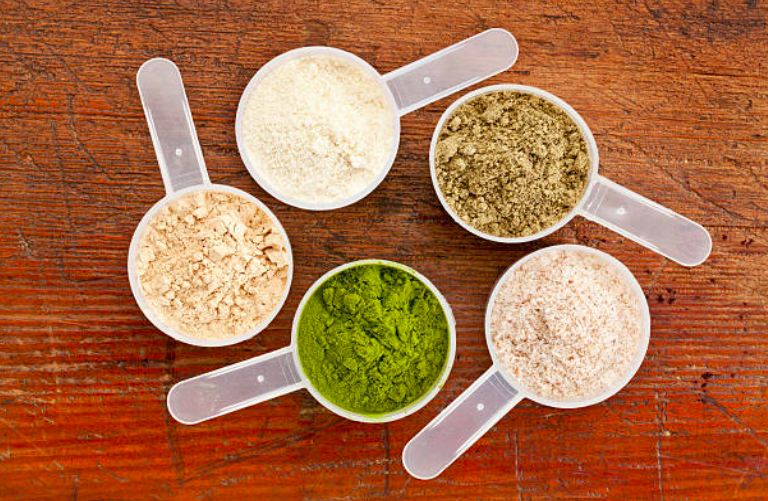
Protein is an important nutrient for our health. Proteins are made of small molecules called “amino acids” that serve as the building blocks for nearly every tissue and chemical in our body. Having an adequate dietary source is important to help control weight and muscle mass, balance blood sugar and prevent cravings, and appropriately drive metabolism.
Adding a scoop of protein powder to a smoothie can be a quick and easy way to boost protein consumption. But not all protein powders are created equal.
Whey
Source: Whey is a protein components in cow’s milk.
Pro: Whey is highly bioavailable, meaning it can be easily used by your body.
Con: Cow’s milk is a common gut irritant that causes low grade systemic inflammation for many people without them ever realizing it.
Good for you if: You are an athlete and want more lean muscle mass. You tolerate dairy well. You get it from a good source (organic, grass-fed, minimal ingredients, no thickeners, no sweeteners).
Casein
Source: Casein is also a protein in cow’s milk.
Pro: Casein is also easily used by the body.
Con: Casein can cause allergic reactions or upset stomach for those with dairy sensitivity. It also takes longer to digest than whey.
Good for you if: You are an athlete and want more lean muscle mass. You tolerate dairy well. You get it from a good source (organic, grass-fed, minimal ingredients, no thickeners, no sweeteners).
Soy
Source: Soybean plant
Pro: Soy is a plant-based protein that is an alternative for those with daily allergies or sensitivities. Soy is one of few plant foods that offers a full profile of amino acids that our bodies need.
Con: Research suggests that some soy consumption is safe, however, some still worry about the hormone-like compounds that soy contains.
Good for you if: You are vegan. You tolerate legumes. You get it from a good source (organic, minimal ingredients, no thickeners, no sweeteners).
Pea Protein
Source: Plants; usually yellow peas.
Pro: Pea protein is considered hypoallergenic meaning it is unlikely to cause an allergic reaction or food sensitivity.
Con: Peas do not contain the full spectrum of amino acids.
Good for you if: You are vegan. You mix it into other blends of protein (e.g. hemp or rice) to get all the necessary amino acids. You tolerate legumes. You get it from a good source (organic, minimal ingredients, no thickeners, no sweeteners).
Rice Protein
Source: Rice
Pro: Rice is also hypoallergenic, plus it may have an extra dose of B vitamins and fiber.
Con: Rice contains a small amount of carbs.
Good for you if: You are vegan. You are not paleo. You mix it into other blends of protein (e.g. hemp or pea) or nuts and seeds to get all the essential amino acids. You tolerate grains. You get it from a good, high-quality source (organic, minimal ingredients, no thickeners, no sweeteners).
Hemp
Source: Hemp seeds (from the cannabis plant)
Pro: Hemp is hypoallergenic and is a source of complete protein. Hemp has all the 9 essential amino acids and contains an extra dose of omegas.
Con: Hemp is the least bioavailable of the lot, meaning your body doesn’t absorb and use it as well as other sources.
Good for you if: You are vegan. You are paleo. You get it from a good, high-quality source (organic, minimal ingredients, no thickeners, no sweeteners).
Collagen
Source: Animal connective tissue
Pro: Collagen can be good for skin and joint health.
Con: This is often considered a beauty product and comes with a lot of the hype. Many label promises are not proven.
Good for you if: You are not vegan. You are paleo. You don’t mind spending a bit extra to get the good stuff. You get it from a good, high-quality source (organic, grass-fed, minimal ingredients, no thickeners, no sweeteners).
Spirulina
Source: Blue-green algae
Pro: Spirulina is a complete protein plus gives extra minerals and antioxidants.
Con: It is hard to know where it comes from.
Good for you if: You are vegan. You are paleo. You tolerate chlorophyll-containing drinks. You get it from a good, high-quality source (organic, minimal ingredients, no thickeners, no sweeteners).
And the winner?
In my opinion, a mixture of rice and pea protein is the winning combo. The combination makes up the full spectrum of essential amino acids, while being plant-based, and free of common irritants like casein, lactose, gluten, or soy.
One final note of caution: unfortunately, the FDA does not regulate protein powders, so you have no way of knowing what’s actually in them. Do your homework to make sure you’re getting protein powder from a trusted source. Ensure your protein powder is free of added sugars and artificial coloring or preservatives. Ideally, it will be certified by a third party stating it is low in heavy metals.
How did you sleep last night?
Research is showing that sleep is not only important to our energy level and mood but is also closely tied to our longevity. If sleep eluded you last night, try some of these tips for better rest tonight and in the future.

Yesterday was World Sleep Day. Research is showing that sleep is not only important to our energy level and mood but is also closely tied to our longevity. If sleep eluded you last night, try some of these tips for better rest tonight and in the future:
Cut back on caffeine. Response to caffeine varies person to person, but this drug remains in your system far longer than most people realize. The half-life of caffeine is several hours. This means that your morning coffee is still hanging around at lunchtime, and you may still have a quarter of the caffiene in your system at dinnertime.
Move during the day. People who exercise regularly report more satisfying sleep. Be sure to finish your workout at least three hours before bed to make sure you have proper time to relax and cool down.
Make your room dark. Light can disrupt our body’s natural secretion of melatonin. Making your room dark and avoiding blue light that is emitted from electronic devices before bedtime can help ensure our body maintains its natural circadian rhythm. If you needs some help blocking blue light, try blue light filtering glasses.
Avoid alcohol within three hours of bedtime. While alcohol can make you sleepy, it alters the brainwave activity in your brain, preventing restorative sleep.
Relax before bed. Create an evening routine that puts you in a relaxed frame of mind. Try reading a neutral book, journaling or taking a hot bath. A hot bath with Epsom salts relaxes muscles and reduces tension through the help of magnesium sulfate.
If sleep continues to be a concern let’s talk. Addressing hormones, blood sugar balance and stress management are also important for proper sleep.
Schedule an appointment with Relish Health today.
Use your Fork to Improve your Feelings
Our brain is both our greatest asset and the home to the hungriest cells in our body. Remarkably, this 2-pound organ has energy needs similar to our body’s muscles. The complex electrical connections that occur in our brain are responsible for not only our heart beat and sensations, but also our memories and mood. The nourishment we consume at each meal provides the energy and building blocks that create the connections that constitute our brain. No matter your current state of mental health, your genetics, background or situation, the core of your personal wellness is your food.

Our brain is both our greatest asset and the home to the hungriest cells in our body. Remarkably, this 2-pound organ has energy needs similar to our body’s muscles. The complex electrical connections that occur in our brain are responsible for not only our heart beat and sensations, but also our memories and mood. The nourishment we consume at each meal provides the energy and building blocks that create the connections that constitute our brain. No matter your current state of mental health, your genetics, background or situation, the core of your personal wellness is your food.
While we may think about how to feed our muscles to maintain strength or build mass, we don’t often give much thought to what our brain may need. Below are a few guidelines that may help you nourish this underappreciate organ.
1. Your brain needs a steady source of energy. The standard American diet is known for a high sugar content. Sometimes the source of sugar is obvious like a glass of soda, but sometimes the source is less obvious like pasta or bagels. These refined foods cause your blood sugar to increase quickly. Your body responds by rapidly releasing insulin. The insulin lowers the blood sugar, but can also trigger your blood sugar crash. This process, called reactive hypoglycemia, is responsible for carb and sugar cravings which lead to anxiety, headaches, irritability, and ultimately depression. A case of the “hangries.” Cravings are your brain’s way of reminding you it needs steady fuel to function.
High blood sugar causes also inflammation, which is one of them most significant risk factors for depression. Balancing blood sugar is an effective treatment for depression and anxiety.
2. Your brain needs nutrients. Eat real food. Processed food is made from ingredients that have been stripped of their nutrients. Filling up on package lunchables or low-quality granola bars means we are missing out on many nutrients. Refined flours and sugars lack the vitamins and minerals that are contained in their whole forms. Our brain needs basic building blocks like Omega-3 fatty acids, B vitamins and key minerals like magnesium and zinc to perform its basic function. Your mood is the first casually when there are insufficient levels of these nutrients. Your mental health suffers even before your physical health begins to deteriorate. A nourished brain is a resilient brain.
3. You have a second brain and it needs nourishment too. Our gut is home to trillions of bacteria. These bacteria help us absorb our nutrients, make some of our vitamins and directly communicate with our own cells to impact our immune system and mental health. Our intestinal wall is one of our borders with the outside world. The food we eat directly affects this community of organisms that have a direct connection to our brain (ever felt butterflies in your stomach or had a “gut feeling”?). A diet rich in fruits, vegetables and fiber favors the growth of bacteria that are beneficial to our overall health, while a low-fiber, high-fat diet favors the growth of less helpful species. Eating a diet rich in produce helps ensure that you get adequate nutrients and maintain this delicate and important bacterial community. Just as emotions can sent messages to your gut, food can send messages to your brain.
Delicious Treatment For Your Mood
Meal Planning Strategies for a Sane and Healthy Kitchen
Many people may be surprised to hear that I plan menus every week for my kitchen at home. Like so many things in life, planning is the key to success and eating balanced and healthy is no different. Even as a physician and chef I follow the same advice that I give to my patients and dutifully make my lists. Creating a meal plan, a shopping list and scheduling time in my week to cook ensures that nourishing food is on my table for my family and instead of whatever happens to be handy and hot.

Many people may be surprised to hear that I plan menus every week for my kitchen at home. Like so many things in life, planning is the key to success and eating balanced and healthy is no different. Even as a physician and chef I follow the same advice that I give to my patients and dutifully make my lists. Creating a meal plan, a shopping list and scheduling time in my week to cook ensures that nourishing food is on my table for my family and instead of whatever happens to be handy and hot.
My lists are not elaborate. I focus on eating real food that is plant-centric, seasonal and as local as possible. I aim to have a variety of veggies on the plan each week so that I ensure I am “eating the rainbow” of colors and taking advantage of all mother nature has to offer. I also like to have fish on the menus at least once during the week. I don’t however measure calories or obsess over macro or micronutrients. Magically this usually takes care of itself when I plan a meal that revolves around veggies and lean proteins.
I am a creature of habit. I love leftovers and could eat the same meal for days. This certainly is a great strategy for planning, but this doesn’t appeal to everyone, especially those in my house. My husband and kids love more variety. Menu planning at our house is a collaborative effort. I often ask my family what they would like to see on the table during the week. On occasion, we browse cookbooks together to select new culinary adventures. It is a wonderful way to engage the family for a more joyful dinner experience. On the rare occasion that the creative juices are stuck, I find it helpful to revisit prior lists for inspiration and reminders of former successes.
If meal planning is new to you, these tips may help you plan your time and energy:
Work Backwards
Every week I start by determining which evenings my family will be home. This helps me decide when I have time to cook more elaborate meals and when I need to rely on leftovers or meals I’ve squirreled away in the freezer.
Keep lunches simple
Lunch doesn’t need to be complicated, but it still needs to be colorful and flavorful. My kids know the house rule is to pack at least 1-2 veggies, 1 fruit and 1 protein into every lunchbox. Having a container of washed, pre-cut veggies at the beginning of the week makes the lunch process smoother in our household. For myself, I prefer leftovers from the prior night’s dinner or a large salad with a protein like salmon or legumes.
Plan your breakfast
I am always surprised by the number of people that skip this important meal. Still others make the mistake of relying on highly processed, dessert-like foods to get them going. The simple carbs in cereal, granola bars and donuts sets you up to crave more sugar and simple carbs the rest of the day.
I don’t plan out every breakfast, but when I make my weekly grocery list I take inventory of our breakfast ingredients and make sure that I have plenty of high fiber, whole food options to satisfy my family. High quality granola and yogurt, almond milk, fruit and veggie smoothies, avocado or salmon toast, chia pudding or the occasional egg with greens fuels us well.
Prep ahead
It can be amazing how even a little advanced preparation of a meal can add sanity to a weeknight. If you can, prep your veggies on a weekend day or weeknight that is more relaxed and flexible. Having your veggies washed, dried, chopped and ready makes incorporating them into your diet so much more likely. I like to store them in glass pyrex or gallon size freezer bags so that the color of the veggies is a treat for the eyes every time I open the refrigerator. Most veggies can be pre-chopped (ones that don’t oxidize) so go ahead and prep your veggies for roasting, salads and kid lunches.
Vinaigrettes are incredible easy to make. The basic ratio is two-parts oil to one-part acid (vinegar). From this basic recipe, there are infinite variations. Wisk up a vinaigrette to have on hand for the week. They keep well on the countertop or refrigerator in a sealed glass container.
If you love garlic and onions, use your food processor to dice up a couple of onions and mince a few garlic cloves for the week.
Keep stock or broth handy. In my opinion, a great stock is the secret that turns good food into phenomenal food. Taking a weekend to simmer up a batch of stock with your extra veggie scraps and occasional chicken bones is well worth the effort. I freeze the stock in a variety of different quantities so that I can add this flavor enhancer at a moment’s notice. (These one-cup silicone molds are amazing.) Of course, there are many great brands of broth on the market as well.
Meal planning is an art that is definitely a worthwhile habit to learn. A small amount of planning can keep you motivated to cook nourishing meals, create less waste and leave more time for other activities in the evening.
(This blog post is not sponsored by any manufacturer. However, at no cost to you, Relish Health may receive a commission on purchases made through an Amazon link.)
Happy National Kale Day!
Clients of Relish Health understand the many benefits of eating greens. Now we have a day to celebrate one of the most densely packed nutritious foods on the planet, and my personal favorite - KALE! According to NationalKAleDay.org, kale is a nutrition powerhouse, and very well could be the most dynamic healing food.

Kale Hummus
Clients of Relish Health understand the many benefits of eating greens. Now we have a day to celebrate one of the most densely packed nutritious foods on the planet, and my personal favorite - KALE! According to NationalKaleDay.org, kale is a nutrition powerhouse, and very well could be the most dynamic healing food.
Just one cup of raw kale…
· contains just 33 calories.
· provides 134% of your daily vitamin C needs.
· provides 684% of your daily vitamin K needs.
· provides 204% of vitamin A.
· is an excellent source of calcium and iron.
Kale is great in salads, sautés or as chips, but it also blends well into smoothies, soups and dips. It is an incredible versatile veggie. Here is a creative take on hummus to try out on your next party or your dinner table.
Herb and Kale Hummus
This hummus is inspired by green goddess dressing. The herbs add fantastic unexpected flavor with the added bonus of additional antioxidants. If you would like to make this dish vegan, the anchovies can be substituted for sea salt. These little fish add big flavor, umami and a source of health promoting omega-3 fatty acid.
Author: Erica Leazenby MD, Chef
Time: 15 minutes
Makes: approximately 1.5 cups
Ingredients:
1 can cooked chickpeas, drained and well rinsed
½ lemon, zest and juice
3 Tablespoon Tahini plus more to taste
1 large garlic clove
1 cup packed kale, washed, stem removed
2 scallions, washed, ends trimmed and coarsely chopped
¼ cup basil leaves
2 teaspoons Anchovies paste
salt and pepper to taste
Olive oil to desired consistency (I use approximately 3 Tablespoon)
Directions:
Add all ingredients to the machine with the exception of olive oil. Allow the machine to run until the mixture is a smooth consistency. This may take several minutes. Stop the mixing occasionally to reincorporate any hummus that is clinging to the edge of the bowl. After the mixture is starting to become smooth, drizzle the olive oil into the food processor while it is running until the desired consistency is reached.
Enjoy with veggies, whole wheat pita or gluten-free crackers.
Note: If you have plenty of time, peeling each chickpea will result in a smoother hummus.
More fun facts and trivia from NationalKaleDay.com:
Kale might become the new state vegetable of Vermont.
According to Green Heritage News, “Angelina Jolie, Woody Harrelson, and Gwyneth Paltrow are just a few stars on the silver screen who eat kale to not only feel better, but to maintain the sleek physiques they require for days on the set. Celebrities Katy Perry and Jessica Alba also claim a love for the leafy green vegetable.”
There are over 50 varieties of kale.
There is an extremely tall variety of kale called “Jersey kale” or “cow cabbage.”
America plants more acres in Kale than Brussels Sprouts.
Kale might have saved people from starving in the UK during World War II because it’s easy to grow and hearty.
Lacinato Kale is known by many aliases including Cavolo nero (which means black cabbage in Italian), Tuscan Cabbage, Tuscan Kale, and dinosaur or dino kale.
A kale plant continues to produce late into winter.
After a frost, kale becomes sweeter.
Kale is an amazing source of carotenoids, which are linked to one’s level of optimism.
Kale is grown around the world.
In Kenya, sautéed kale is called sukuma wiki and a staple of the diet.
Colcannon is a traditional Irish dish of kale and mashed potatoes.
Kale has been in cultivation for over 6000 years.
Natural Foods for Gut Health
Fermented foods have been a part of cultures for thousands of years. Historically, fermentation was a way to preserve food, but as we are now learning, it is also a way to ensure a healthy microbiome. Fermented foods include live cultures that make them natural probiotics and aid our digestive and immune systems. Modern practices like refrigeration and pasteurization have made these traditional foods less common in our culture today. Reintroducing these delicious and natural solutions can help give your gut a health boost.

It is true that we are what we eat, but it is more accurate to say that we are what we absorb. Our overall health is intimately tied to the health of our digestive system. Our digestive system is a complex organ that contains trillions of bacteria. This bacterial community, called the microbiome, is responsible for helping absorb our nutrients, manufacture some of our vitamins and help regulate our immune system. Keeping this bacterial community happy, healthy and diverse is vitally important for ensuring proper absorption and optimal health.
Fermented foods have been a part of cultures for thousands of years. Historically, fermentation was a way to preserve food, but as we are now learning, it is also a way to ensure a healthy microbiome. Fermented foods include live cultures that make them natural probiotics and aid our digestive and immune systems. Modern practices like refrigeration and pasteurization have made these traditional foods less common in our culture today. Reintroducing these delicious and natural solutions can help give your gut a health boost.
Try some of these favorites:
1. Kefir is a fermented dairy drink similar to yogurt. The term originated in Russia and Turkey and is translated to mean “feels good.” It has a mildly acidic, tart flavor and contains many more strains as well as higher levels of beneficial bacteria than standard yogurt. When purchasing, choose kefir with minimal amounts of added sugar. Enjoy as a drink, in a smoothie, or with granola.
2. Sauerkraut is made from fermented cabbage and other vegetables. Artisanal varieties are often flavored with beets, apples or carrots. Sauerkraut is fermented by wild strains of the beneficial bacteria, lactobacillus. It has a pleasant sour flavor that is excellent as a condiment for entrées, salads and savory toasts. When purchasing, be sure to find the product in the refrigerated section of the grocery. (The other version on the aisle shelves has been pasteurized and no longer contains the desired beneficial bacteria.) Sauerkraut can be made easily at home.
3. Kimchi is similar to sauerkraut, but is often made with napa cabbage and radishes. It is Korean in origin and is often spicy.
4. Kombucha is made from fermented sweet tea and is thought to originate from Japan. Kombucha is made by adding a symbiotic colony of bacteria and yeast (SCOBY) into tea and allowing the tea to ferment for a few days to a week. The resulting product is effervescent and has a tangy flavor.
5. Coconut kefir is made by fermenting the water of young coconuts in a similar manner to making dairy kefir. It is not as high in probiotics as its dairy cousin, but it is very refreshing.
6. Yogurt can be an excellent probiotic food, but only if chosen wisely. Many commercially available yogurts can contain high amounts of added sugar and dyes. The quality of dairy is important to consider.
7. Raw apple cider vinegar contains the acetobacter that is responsible for making the acetic acid that gives vinegar its characteristic flavor. Research has demonstrated that apple cider vinegar can help control blood pressure, cholesterol and blood sugar. Enjoy raw apple cider vinegar in salad dressings or as a diluted beverage.
8. Miso is a traditional Japanese product. It is created by fermenting soy beans or chickpeas with a yeast called koji. Miso can be made into a soup but is also delicious enjoyed as a condiment in salad dressings, sauces or marinades.
9. Pickles made by fermenting cucumbers with salt and water are also a source of beneficial lactobacillus. They are low in calories, but eat in moderation as they may contain a fair amount of salt. Make them at home or find in a specialty grocery in the refrigerated section. (The other pickles located in the aisle shelves are made with vinegar and do not contain the necessary live cultures.)
Healthiest Way to Grill
Grilling is the hallmark of summer and food. In addition to bringing people together, it gets us away from the hot oven in the kitchen and into the outdoors. It can also help us slow down, add variety to our diet, and give us new flavors to enjoy. We need to be careful, though. Grilling can make some foods more inflammatory to our bodies. However, there are steps you take to help you get the best nutrition from your outdoor fire.

Grilling is the hallmark of summer and food. In addition to bringing people together, it gets us away from the hot oven in the kitchen and into the outdoors. It can also help us slow down, add variety to our diet, and give us new flavors to enjoy. We need to be careful, though. Grilling can make some foods more inflammatory to our bodies. However, there are steps you take to help you get the best nutrition from your outdoor fire.
Why could grilling be a risk to your food and your health? Advance Glycation End products (AGE’s) are compounds that are produced when sugars combine with certain proteins or fats. These can form inside our body or in the food we consume. Manufacturing techniques of sugary or highly processed foods contribute to AGEs, but cooking methods that use high heat to brown or char foods, such as grilling, roasting, and broiling, have the largest impact on the amount of AGEs we consume. Also, AGE’s can accumulate in our body over time and contribute to inflammation, which increases our risk of insulin resistance and type-2 diabetes. Learning to avoid AGE’s can lower our diabetes risk and help improve insulin sensitivity.
Use the following tips to enjoy your next cookout and optimize your health:
1. Choose lean cuts of meat and trim any visible fat so that less fat drips during cooking.
2. Marinate meat before you grill. Research suggests that citrus, vinegars, cider, herbs and vegetable oils can reduce the formation of AGE’s. Sugar can increase AGE’s, so avoid marinades that have significant amounts of added sugar.
3. Try precooking meat in the oven and finish on the grill to lessen the exposure and risk.
4. Use lower heat by waiting for the coals to burn less hot or by turning down the gas.
5. Raise the grill rack farther from the heat.
6. Bigger is NOT better. Grill thinner cuts of meat to reduce cooking time.
7. Go vegetarian. When veggie burgers, tofu and vegetables are grilled, there is little or no formation of AGE's.
8. Stay up-wind from grills to avoid breathing in smoke, which also carries health risks. No smoke is good smoke.
9. Use an untreated cedar plank for fish. It’s always good to have a buffer between your food and the heat source.
10. Choose grass-fed meats which provide extra cancer-fighting Vitamin E (from grass), Conjugated Linoleic Acid and Omega-3 fats while being lower in inflammatory Omega-6 fats.
11. Never eat charred or blackened meat.
12. Eat foods rich in antioxidants with your grilled meats. Research shows topping a hamburger with avocado or other anti-oxidant rich veggies helps reduce AGE’s inflammatory effect.
Dining in the moment: Enjoying Spring Garlic Scapes
The garlic scape is the green shoot that grows from the developing garlic bulb underground. This soft shoot pokes its head from the ground and curls in a pig-tail manner before straightening and hardening as the season progresses and the garlic bulb grows. The scape has a texture similar to asparagus and combines a mild garlic flavor with flavors of earthy grass. They are harvested for only a short time in early to mid-June. If you are eating scapes you are not only eating seasonally, but you are eating in the moment.

First CSA share of the season. With garlic scapes!
Choosing seasonal and local produce helps me eat the best tasting and nutritious food available. It is better for me, the farmer and the environment. This weekend I was excited to pick up my first CSA share of the season that included a mix of veggies for my family to enjoy this week. I get mine from Blue Yonder Organic Farm at the Carmel Farmer's Market. To my delight I found two bunches of beautiful curlicue garlic scapes in my bag.
The garlic scape is the green shoot that grows from the developing garlic bulb underground. This soft shoot pokes its head from the ground and curls in a pig-tail manner before straightening and hardening as the season progresses and the garlic bulb grows. The scape has a texture similar to asparagus and combines a mild garlic flavor with flavors of earthy grass. They are harvested for only a short time in early to mid-June. If you are eating scapes you are not only eating seasonally, but you are eating in the moment.
This is how I celebrated my bounty:
Lemony Garlic Scape Pesto
Garlic scapes can vary in their intensity of garlic flavor. If you like a pungent garlic flavor use the scape raw. If you prefer a milder, more mellow garlic flavor, blanch the scapes as described below.
Author: Erica Leazenby, MD
Yields: about 2 cups
Time: 15 minutes
Ingredients:
8-10 garlic scapes
1/3 cup walnuts
½ lemon, juice and zest
½- ¾ cup olive oil
generous pinch salt
pepper to taste
Directions:
Bring a pot of salted water to a boil. Blanch the scapes by submersing them in the boiling water for about 30 seconds. Remove the scapes and rinse with cold water to stop the cooking process.
Place the scapes, walnuts, lemon, salt and pepper in a food processor and blend for several minutes until the mixture is well minced.
Slowly drizzle in the olive oil while the food processor is running until the desired consistency is reached.
Taste and season with additional salt, pepper or lemon juice as needed.
We enjoyed ours immediately with fresh cut potatoes and grilled trout. It will also freeze well so that you can enjoy Spring flavors later in the year.
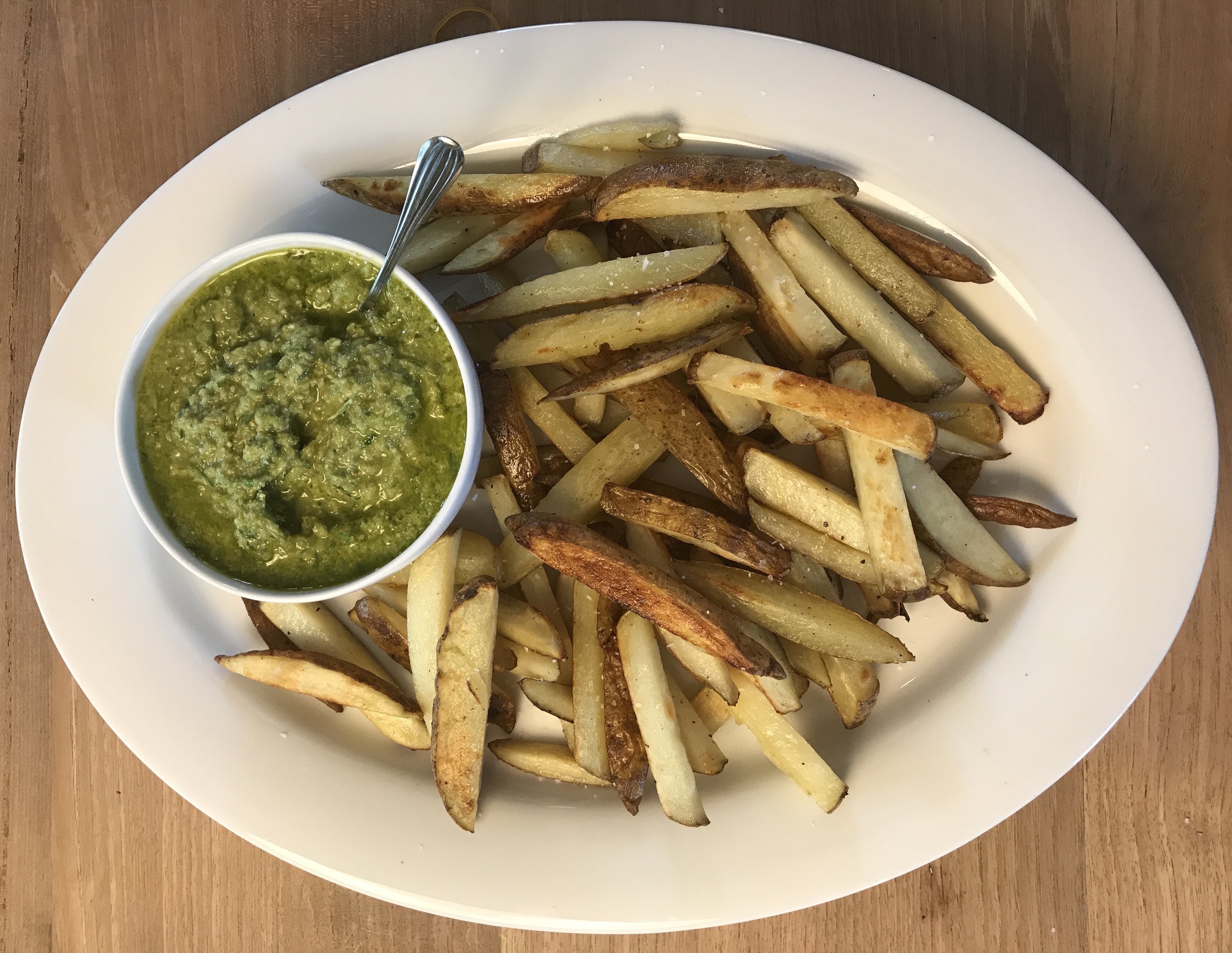
Garlic Scape Pesto
Beet Hummus for Spring
Spring is here. The longer, warmer days are inviting me to work in my garden. The hardy plants I planted in the cool, early season are nearly ready to harvest. Beets and tender greens are among my favorite early crops to enjoy. Beets come in a variety of vibrant colors that will brighten any table this time of year. In the plant world, color is associated with powerful phytonutrients that benefit our health. Beets in particular have fiber and nutrients that can help improve blood pressure, prevent cancer and fight inflammation.

Beet Hummus
Spring is here. The longer, warmer days are inviting me to work in my garden. The hardy plants I planted in the cool, early season are nearly ready to harvest. Beets and tender greens are among my favorite early crops to enjoy. Beets come in a variety of vibrant colors that will brighten any table this time of year. In the plant world, color is associated with powerful phytonutrients that benefit our health. Beets in particular have fiber and nutrients that can help improve blood pressure, prevent cancer and fight inflammation.
Enjoy them alone, or with a drizzle of your favorite balsamic vinegar, or try them as a stunning addition in the hummus recipe below.
Beet Hummus
Hummus is an amazing nutritious and versatile dish. Chickpeas are a great source of protein and fiber while the tahini (sesame seed paste) provides calcium and other minerals. In this variation on the classic hummus, the beets add a sweet hint and pack a powerful anti-oxidant punch. I love to serve this dip with a platter of colorful vegetables.
Author: Erica Leazenby, MD
Time: 15 minutes
4-6 small roasted beets (about 1 can rinsed and well drained)
1 can cooked chickpeas, drained and rinsed*
1 lemon, zest and juice
1/4 cup Tahini plus more to taste
1 large garlic clove
1/2 tsp sea salt plus more to taste
pepper to taste
olive oil to desired consistency (I use approximately 1 Tablespoon)
1. Roughly chop the beets and place them in the food processor.
2. Add all remaining ingredients to the machine with the exception of the olive oil. Allow the machine to run until the mixture is a smooth consistency. This may take several minutes. Stop the mixing occasionally to reincorporate any hummus that is clinging to the edge of the bowl. After the mixture is starting to become smooth, drizzle the olive oil into the food processor while it is running until the desired consistency is reached.
3. Enjoy with veggies, whole wheat pita or gluten-free crackers.
*If you have plenty of time, peeling each chickpea will result in a smoother hummus.
Eating to Better Health
Can your fork really work for you? In my cooking classes, people often ask me what they should eat to help them feel better or improve their health. The answer is as complex as you are. It really is different for everyone. Indeed, your fork is one of the most powerful tools you have to improve your health. Every food you put on it is a piece of information that can alter your body chemistry for better or worse. Where do you start? Don't let food get in your way of feeling your best. Here are 10 tips below that you can implement today. If you have specific illnesses or health challenges, please contact me to set an appointment and we can work on a personalized plan together.

Can your fork really work for you? In my cooking classes, people often ask me what they should eat to help them feel better or improve their health. The answer is as complex as you are. It really is different for everyone. Indeed, your fork is one of the most powerful tools you have to improve your health. Every food you put on it is a piece of information that can alter your body chemistry for better or worse. Where do you start? Don't let food get in your way of feeling your best. Here are 10 tips below that you can implement today. If you have specific illnesses or health challenges, please contact me to set an appointment and we can work on a personalized plan together.
1: Prepare food at home. Meals prepared at home have fewer calories, less fat and less sugar compared with convenience foods or those in restaurants. Invest in a grill pan and stock your pantry with olive oil and spices. Be patient with yourself - any lifestyle change requires creativity and perseverance. Use available resources like healthy cooking classes, library books and online meal planning tools to help learn this new skill. Don’t forget to start simple.
2: Eat more Plants. Pay the farmer now or the pharmacist later. Numerous studies link vegetable and fruit consumption to longevity. Some studies even show eating 5 servings of veggies daily can add as much as 3 years to your life. Eating more plants is associated with decreased inflammation and chronic disease.
3: Eat the Rainbow. The different colors found in the plant kingdom represent different beneficial antioxidants and nutrients. Eat a rainbow of veggies and fruits to take advantage of all mother nature has to offer. Consider counting color rather than calories. Variety is the spice of life and may also prolong it.
4: Eat the 4 S’s. Soups, Salads, Smoothies and Stir Fries are great ways to increase servings of veggies in your diet.
5: Beware the Liquid Calorie. Our brain and appetites do a poor job accounting for the calories we drink. It is best to drink water and other non-caloric, unsweetened beverages.
6: Eat Living Foods. Trillions of bacteria live in our gut. These bacteria help us absorb nutrients, ward off infection, produce vitamins, and help regulate our immune system. We need to tend this inner garden to keep it healthy. This means eating foods rich in fiber and consuming fermented foods like sauerkraut. Avoiding unnecessary antibiotics, pesticides and additives also help keep these bacteria healthy.
7: Fiber is our Friend. Counting grams of fiber is a good measure for plant consumption. Fiber feeds our "good gut bacteria," it helps us feel full, it prevents constipation and can help lower our risk of cancer and inflammation. Make your goal 25 grams per day if you are a woman and 38 grams per day if you are a man.
8: Choose protein with fewer legs. Both a whole-food, plant-based diet and the Mediterranean diet show dramatic reduction in cardiovascular disease and cancer risk. These diets prioritize plant proteins from legumes, nuts and seeds. The Mediterranean diet includes moderate seafood consumption and minimizes or eliminates red meat.
9: Understand Fats. Fat is not to be feared. It is an integral part of our cell membrane and the building blocks of our hormones. Include “good fats" like those found in olive oil, avocado, nuts, seeds and fish. Minimize your consumption of saturated fats and trans-fats (hydrogenated oil). These are found in red meats, whole fat dairy and highly processed foods.
10: Genes are not your destiny. Changing your lifestyle and diet can change how your genes behave. Eating a diet rich in fruits and vegetables, exercising regularly and practicing stress reduction can turn off genes associated with inflammation and cancer.
Promote Digestion and Gain Nutrients with Delicious Bitter Greens
As Americans we are sugar-addicted and bitter-phobic, but many cultures embrace bitter flavors. They are packed with vitamins A, C, K and minerals like calcium, potassium and magnesium. They are also great sources of folate and fiber. Adding bitter greens to your diet can be simple. Arugula, endive, broccoli rabe, swiss chard, dandelion greens, escarole, frisée, kale, mizuna, mustard greens, beet greens, radicchio, and watercress can all be found seasonally in the produce section of most local groceries.

Bitter green salad
As Americans we are sugar-addicted and bitter-phobic, but many cultures embrace bitter flavors. Europeans have a tradition of “digestive” bitters and the ideal Chinese meal always includes a bitter food on the plate. We humans have taste receptors for five flavors: sweet, salty, sour, bitter and the elusive umami.
These flavors are important and have played a role in our evolutionary development. For example, sweet flavors signify sugars and sources of easy calories. On the other hand, bitter flavors have likely helped us avoid eating toxic substances. Over time we developed tolerance to these flavors, which has allowed us to eat nutritious plants that have bitter-flavors and now they are easily found in your grocery store. The chemical compounds in these plants that are responsible for the bitter flavors have demonstrated beneficial properties, including stimulating appetite, promoting digestive enzyme production necessary for optimal nutrient absorption as well as promoting gastrointestinal motility. Many people already use bitters for this purpose in the form of a morning cup of coffee. In fact, the three most recognized bitters in the American diet include coffee, chocolate and beer.
Americans often ignore these wonderfully nutritious bitter greens. They are packed with vitamins A, C, K and minerals like calcium, potassium and magnesium. They are also great sources of folate and fiber. Adding bitter greens to your diet can be simple. Arugula, endive, broccoli rabe, swiss chard, dandelion greens, escarole, frisée, kale, mizuna, mustard greens, beet greens, radicchio, and watercress can all be found seasonally in the produce section of most local groceries. The more tender greens can be incorporated into your salad. For the sturdier greens, consider lightly sautéing in a small amount of olive oil with a sprinkle of salt to tame the bitter flavor and make the greens more digestible.
To introduce your palate to these flavors, try the following recipe.
Bitter Greens Salad
Of all the flavors that grace our plate, the bitter flavor is potentially the most fascinating. There is strong tradition around the world to use bitter flavors to help aid digestion, cleanse the body and build vitality. One of the best ways to introduce bitterness to your plate is to incorporate the bitter taste of nutrient dense greens into your salad. Chicory, dandelion, arugula, radicchio, endive or watercress are wonderfully complex tasting greens that are easily found in groceries and farmers’ markets. Slowly increase their proportion to sweeter tasting lettuces in your salad to build up your tolerance.
Author: Erica Leazenby, MD
Serves: 4-6
Time: 10-15 minutes
Ingredients:
2 tablespoons apple cider vinegar
1 teaspoon Dijon mustard
1 teaspoon honey or maple syrup
2 tablespoons olive oil
1/8 teaspoon salt
pepper to taste
6 cups mixed greens like romaine lettuce, endive, radicchio, watercress
Optional add-ins: a thinly sliced apple, fennel or radish
Directions:
· Combine vinegar, mustard, honey in a small bowl. Add oils and whisk until well blended. Season vinaigrette to taste with salt and pepper.
· Combine greens and any additional toppings in a large bowl and drizzle with dressing. Toss to coat. Serve immediately.
Notes:
Tart, yet sweet apples, like pink ladies or gala apples work well in this recipe. When possible use raw, unpasteurized apple cider vinegar like Braggs brand.
Improve Your Sleep, Improve Your Health
Sleep is vital to the maintenance and healing of your body each day; and the lack of sleep is linked to a variety of serious health problems, including heart attack, stroke, type-2 diabetes, hormone balance, obesity and even wrinkles. While the amount of necessary sleep differs from person to person, most people need between 7-9 hours each night.
At Relish Health we discuss many lifestyle solutions that can improve your night’s rest, including dietary and nutritional choices listed below. Your body is unique and will respond to different foods and activities depending on a variety of factors. See me to develop a customized plan for improving your sleep and your overall health.

Sleep is vital to the maintenance and healing of your body each day; and the lack of sleep is linked to a variety of serious health problems, including heart attack, stroke, type-2 diabetes, hormone balance, obesity and even wrinkles. While the amount of necessary sleep differs from person to person, most people need between 7-9 hours each night.
At Relish Health we discuss many lifestyle solutions that can improve your night’s rest, including dietary and nutritional choices listed below. Your body is unique and will respond to different foods and activities depending on a variety of factors. See me to develop a customized plan for improving your sleep and your overall health.
Maintain a steady blood sugar level. Eating a balanced diet that is rich in fruits, vegetables, “good” fats and lean proteins and avoids added sugar is important for maintaining steady blood sugar levels. Erratic levels can lead to elevated stress hormones that disrupt the sleep process. When eating a bedtime snack be sure to pair carbohydrates with a source of fat or protein to help promote steady absorption of the nutrients. For example, pair almond butter with your banana to make a balanced snack.
Enjoy alcohol wisely. Although alcohol can cause drowsiness, it delays the brain from entering the REM sleep cycle, which is restorative to its function. Consuming alcohol within 3 hours of bedtime may cause you to wake up still feeling tired despite having spent an adequate amount of time in bed. Having a drink at dinner is unlikely to disturb your sleep, but consider switching to tea for a night cap. Herbal teas that are known to promote relaxation include chamomile, holy basil or lemon balm.
Minimize caffeine consumption. Caffeine is a powerful stimulant. It has a 6-hour half-life, which means you still have 50% of your morning caffeine in your body at lunch and still 25% at dinner time. Anything you drink after noon will still be near 50% strength at bedtime.
Consume foods that promote melatonin production. Melatonin is a hormone produced in the pineal gland of the brain. It helps regulate our sleep-wake cycle as well as helps orchestrate other hormonal functions. Certain foods have been associated with boosting the body’s ability to produce this important hormone and minimize the need for supplementation. Consider adding these foods to your evening meal: pineapple, cherries, bananas, oranges, oats, sweet corn, and rice.
Consume foods rich in vitamins and minerals. Key nutrients including magnesium, zinc, vitamin D and B vitamins support relaxations, healing and neurotransmitter manufacturing. Nutrients dense foods include dark leafy greens, nuts, seeds, fish, beans, whole grains, avocados, yogurt, bananas, dried fruit and dark chocolate.
Got Almond Milk?
If you have taken a trip to the dairy aisle lately you are probably aware of the vast array of dairy-alternative milks on the market these days. For a variety of reasons, minimizing dairy can benefit your health. Luckily, there are a number of delicious non-dairy drink options on the market that allow you to serve your health without sacrificing flavor. However, you don't have to settle for the options in the store. Nut milks are incredibly simple for anyone to make, especially almond milk. Once you’ve tasted the difference by making it yourself, it is easy to find those five minutes required to make the milk regularly. This recipe is creamy and mild in flavor and is a great substitute for cow’s milk in coffee, cereal, or baking. It's a staple in my family's refrigerator.

If you have taken a trip to the dairy aisle lately you are probably aware of the vast array of dairy-alternative milks on the market these days. For a variety of reasons, minimizing dairy can benefit your health. Luckily, there are a number of delicious non-dairy drink options on the market that allow you to serve your health without sacrificing flavor. However, you don't have to settle for the options in the store. Nut milks are incredibly simple for anyone to make, especially almond milk. Once you’ve tasted the difference by making it yourself, it is easy to find those five minutes required to make the milk regularly. This recipe is creamy and mild in flavor and is a great substitute for cow’s milk in coffee, cereal, or baking. It's a staple in my family's refrigerator.
Almond milk
Yield: appx. 1 qt
Time: 5-10 minutes active
1 cup raw almonds
3 ½ cups water plus more for soaking
pinch of sea salt
Place almonds in a bowl and fill with water to cover. Soak the almonds for 4-6 hours.
Rinse the almonds well and place in a high speed blender with 3 ½ cups of fresh, preferably filtered water. Add a pinch of sea salt.
Blend the mixture for 30-60 seconds until the mixture is puréed.
Filter the almond mixture through a fine mesh sieve, cheese cloth or nut bag.
Store in an air-tight, glass container in the refrigerator.
Notes:
Consume within 3-4 days
If you are short on time, pour boiling water over your almonds and let them sit for 30 minutes before blending. The almonds are very forgiving. I will often let them soak for up to 24 hours.
Optional: To make vanilla sweetened almond milk, add 2 pitted dates and a ¼ of vanilla extract to the blender during mixture.
I find that using a nut bag to be the easiest way to filter the almond puree.
Save the pulp! The added bonus of making your own almond milk is that you can enjoy the entire nut. The pulp still contains fiber and nutrients and can be added to smoothies, cookies, oatmeal, breads and countless other options.
Additional articles about dairy:
Milk and Health: Research from the New England Journal of Medicine
Think you know dairy?
Food is not always what it seems, and this is especially true with dairy. For example, major businesses rely on customers continuing to drink milk even though the science of its nutritional value does not support its reported value to your body. In fact, contrary to the “three servings-a-day” marketing campaign, or what your grandmother tells you, dairy is not crucial for good health, nor is it the best source of Vitamin D and calcium. While it may be delicious and may have a continued place at our dinner table, the facts suggest that we should be aware of our quantity consumed and the risk we are placing on our health.

Almond milk recipe
Food is not always what it seems, and this is especially true with dairy. For example, major businesses rely on customers continuing to drink milk even though the science of its nutritional value does not support its reported value to your body. In fact, contrary to the “three servings-a-day” marketing campaign, or what your grandmother tells you, dairy is not crucial for good health, nor is it the best source of Vitamin D and calcium. While it may be delicious and may have a continued place at our dinner table, the facts suggest that we should be aware of our quantity consumed and the risk we are placing on our health.
Consider the following:
Not everyone can stomach dairy. About two thirds of the world’s population is genetically unable to properly digest milk and other dairy products in adulthood — a problem called lactose intolerance. Yes, 67% of the world’s population cannot drink it, but somehow most Americans believe it’s necessary. Also, dairy has been shown to aggravate irritable bowel syndrome.
Dairy doesn’t reduce bone fractures. Contrary to popular belief, eating dairy products has never been shown to strengthen our bones. In fact, according to the Nurses’ Health Study, dairy may increase risk of fractures. Vitamin D appears to be much more important than calcium in preventing fractures. For healthy bones, get plenty of exercise and supplement with an adequate amount of vitamin D3 daily.
Calcium from dairy may elevate cancer risk. Research shows that higher intakes of both calcium and dairy products may increase a man’s risk of prostate cancer and a woman’s risk of ovarian cancer. In addition, dairy consumption increases the body’s level of insulin-like growth factor-1 (IGF-1) — a known cancer promoter. Most scientists agree that it’s better for us to get calcium from other food sources, like dark green leafy vegetables, sesame tahini, sea vegetables, and sardines or canned salmon.
Dairy is a common food sensitivity. Different than an allergy or lactose intolerance, dairy sensitivity may be triggered simply by your body's difficulty in digesting it. Symptoms of sensitivity can range widely and include bloating, congestion, migraines or even joint pain.
Want to try an experiment on yourself? Try giving up dairy for three weeks. This means avoiding milk, cheese, ice cream and yogurt. See how it makes you feel. You may notice improvements in your energy, bowel symptoms, sinus congestion and weight. After three weeks start eating dairy again in moderation and see how you feel. If we know how our bodies react to food, we are taking the first steps to a healthier and longer life.
Need help sorting out if dairy is affecting your wellness? Come see me at Relish Health and let’s work on it together.
Delicious Treatment for your Mood
Our brain makes up about 2% of our body mass, but represents up to 20% of our energy need. With so much energy consumption, it has been theorized that the food and fuel we consume would affect how the brain functions which is related to how we feel at any given time. In a new study released in the journal BMC Medicine, we now have confirmation that the food on our plate plays a role in our mood.

Our brain makes up about 2% of our body mass, but represents up to 20% of our energy need. With so much energy consumption, it has been theorized that the food and fuel we consume would affect how the brain functions which is related to how we feel at any given time. In a new study released in the journal BMC Medicine, we now have confirmation that the food on our plate plays a role in our mood.
In the study a Mediterranean diet was used to treat clinical depression. From a set of participants with depression, researchers randomly selected two separate groups. Both groups were provided weekly social counseling to help their depression. However, the first group consumed a diet rich in whole grains, fruits and vegetables; and received weekly guidance from a dietician. The second group did not make any food modifications. After three months, researchers found that 32% of the participants that changed their diet were experiencing remission of their depression. This occurred in only 8% of the participants who had no dietary changes.
A Mediterranean-style diet has historically documented benefits for heart health and cancer prevention, and now it has shown benefit in improving our mood. Curious about how to adopt a Mediterranean diet or want advice on using lifestyle to improve your mood? Come see me at Relish Health.
If you are experiencing depression and need support, please call the National Depressive and Bipolar Support Alliance Hotline at 1-800-273-8255.
Sweet Tooth Solutions
Are Valentine’s Day treats threatening your New Year’s resolutions for eating better? It happens to the best of us. But sugar is our health nemesis triggering increased blood sugar, inflammation and altering our immunity. Even with dessert, we can learn to love the foods that love us back. Unfortunately, refined sugars and flours don’t love us at all. However, it’s a lot easier than you think to make better after-dinner choices. Here are a few of my favorites:

Are Valentine’s Day treats threatening your New Year’s resolutions for eating better? It happens to the best of us. But sugar is our health nemesis triggering increased blood sugar, inflammation and altering our immunity. Even with dessert, we can learn to love the foods that love us back. Unfortunately, refined sugars and flours don’t love us at all. However, it’s a lot easier than you think to make better after-dinner choices. Here are a few of my favorites:
1. Pineapple and Papaya Fruit Salad
Pineapple contains bromelain and papaya contains papain; both are proteolytic enzymes meaning they help breakdown proteins and can help with digestion. As a whole we want to decrease our consumption of refined sugars. Eating fruit for dessert help us satisfy our sweet tooth, increase our fiber consumption, and in this case may give us a little boost with our digestion. See recipe below.
2. Dark chocolate
Yep, I just gave permission to indulge in chocolate. Dark chocolate that is as least 70% or higher cocoa is rich in anti-oxidants such as polyphenols and has been associated with heart-health. Dark chocolate is often dairy free and has less sugar that its cousin, milk chocolate. Enjoy an ounce or two after a meal. Remember to take time to consume it mindfully, savoring its flavor.
Like an after-dinner mint, a cup of herbal peppermint tea is a satisfying finish to a delicious meal. Peppermint has been long been attributed with many benefits like relaxation and improved indigestion, but may be just the ticket to satisfy that sweet tooth.
Try this simple fruit salad recipe to help you think outside the pastry and ice cream box for your after-dinner treats.
Tropical Pineapple and Papaya Salad
Both fresh pineapple and papaya contain active enzymes that help breakdown proteins. Rich in fiber and anti-oxidants, try eating this salad as a sweet finish to your meal.
Author: Erica Leazenby, MD
Serves: appx. 6 1-cup portions
Time: 10 minutes
Ingredients:
1 small pineapple, cut into bite-size cubes
1 small papaya, cut into bite-size cubes
1 cup blueberries
Coconut whipped cream (optional)
2 tablespoons Toasted coconut (optional)
Mint leaves (optional)
Directions:
Combine pineapple, papaya and blueberries in a medium bowl. Divide the salad into small serving bowls and garnish with coconut whipped cream, mint and toasted coconut as desired.
For additional sweet tooth taming stratagies read here:
Prepare Yourself for Sugar Season
Tips To Make Your Holiday Cookies More Healthy
Make Your Home a Blue Zone
Dan Buettner is one of my favorite spokespersons for improving health through food and lifestyle. He is a National Geographic explorer who identified the communities around the globe that enjoy the greatest lifespan. Specifically, if there are places where people routinely live over 100 years old, what can we learn from them to improve our own health? Buettner traveled to Sardinia, Italy; Okinawa, Japan; Loma Linda, California; Nicoya, Costa Rica; and Ikaria, Greece to interview the earth’s oldest inhabitants to learn the secrets of their health and remarkable vigor. What did he find? While having the right genes may be helpful, it turns out a healthy lifestyle is even more important. Buettner concludes (and other research supports) that practicing certain habits can add more than a decade of healthy time to your life. He describes his lessons in his book entitled, The Blue Zones: Nine Lessons for Living Longer and he has incorporated them into a more recent book, The Blue Zones Solution: Eating and Living like the World’s Healthiest People. You don’t have to be envious of the results as if they are only possible in some exotic locale. Anyone living anywhere can implement these lessons into their own home and community.

Dan Buettner is one of my favorite spokespersons for improving health through food and lifestyle. He is a National Geographic explorer who identified the communities around the globe that enjoy the greatest lifespan. Specifically, if there are places where people routinely live over 100 years old, what can we learn from them to improve our own health? Buettner traveled to Sardinia, Italy; Okinawa, Japan; Loma Linda, California; Nicoya, Costa Rica; and Ikaria, Greece to interview the earth’s oldest inhabitants to learn the secrets of their health and remarkable vigor. What did he find? While having the right genes may be helpful, it turns out a healthy lifestyle is even more important. Buettner concludes (and other research supports) that practicing certain habits can add more than a decade of healthy time to your life. He describes his lessons in his book entitled, The Blue Zones: Nine Lessons for Living Longer and he has incorporated them into a more recent book, The Blue Zones Solution: Eating and Living like the World’s Healthiest People. You don’t have to be envious of the results as if they are only possible in some exotic locale. Anyone living anywhere can implement these lessons into their own home and community.
1. Movement: Choose a lifestyle that perpetuates constant motion in your day.
2. Purpose: Know why you wake up in the morning.
3. Down shift: Find ways to manage stress.
4. 80% rule: Stop eating when your stomach is 80% full.
5. Plant slant: Consume diets rich in beans, vegetables and fruit. All Blue Zones only consumed very small amounts of animal protein and on rare occasions.
6. Wine: Consume small amounts of alcohol. Moderate, regular drinkers outlive their nondrinking counterparts. (Learn more about the benefits of organic wines here.)
7. Belong: Attending a faith-based service four times per month added 4-14 years of life expectancy.
8. Family first: Respect your elders, stay committed to your life partner and invest in your children.
9. Right tribe: The community and company you keep reinforce your behavior.