BLOG: NEWS, RECIPES AND ARTICLES
Bibb Lettuce with Spring Onion Champagne Vinaigrette
The spring-like colors in this salad are dazzling. Vegetables of every shade offer their own unique phytonutrient benefits to our health. The brilliant contrast of the pale, buttery green leaves and the bright flavor of pink radishes engages all our senses. The nuts and seeds add minerals to make for a nutrient feast for the eyes and the body.

The spring-like colors in this salad are dazzling. Vegetables of every shade offer their own unique phytonutrient benefits to our health. The brilliant contrast of the pale, buttery green leaves and the bright flavor of pink radishes engages all our senses. The nuts and seeds add minerals to make for a nutrient feast for the eyes and the body.
Bibb Lettuce with Spring Onion Champagne Vinaigrette
Author: Erica Leazenby, MD
Servings: 4
Time: 30 minutes
Salad Ingredients:
1-2 heads Bibb lettuce depending on size
1 Watermelon radish sliced in thin half-moons
¼ cup shelled pistachios
Black sesame seeds for garnish
Vinaigrette Ingredients:
2 green onions, white and light green portion
3 Tbsp olive oil
1 Tbsp Champagne vinegar
1 tsp Dijon mustard
1 tsp honey
Pinch of Salt
Pepper to taste
Directions:
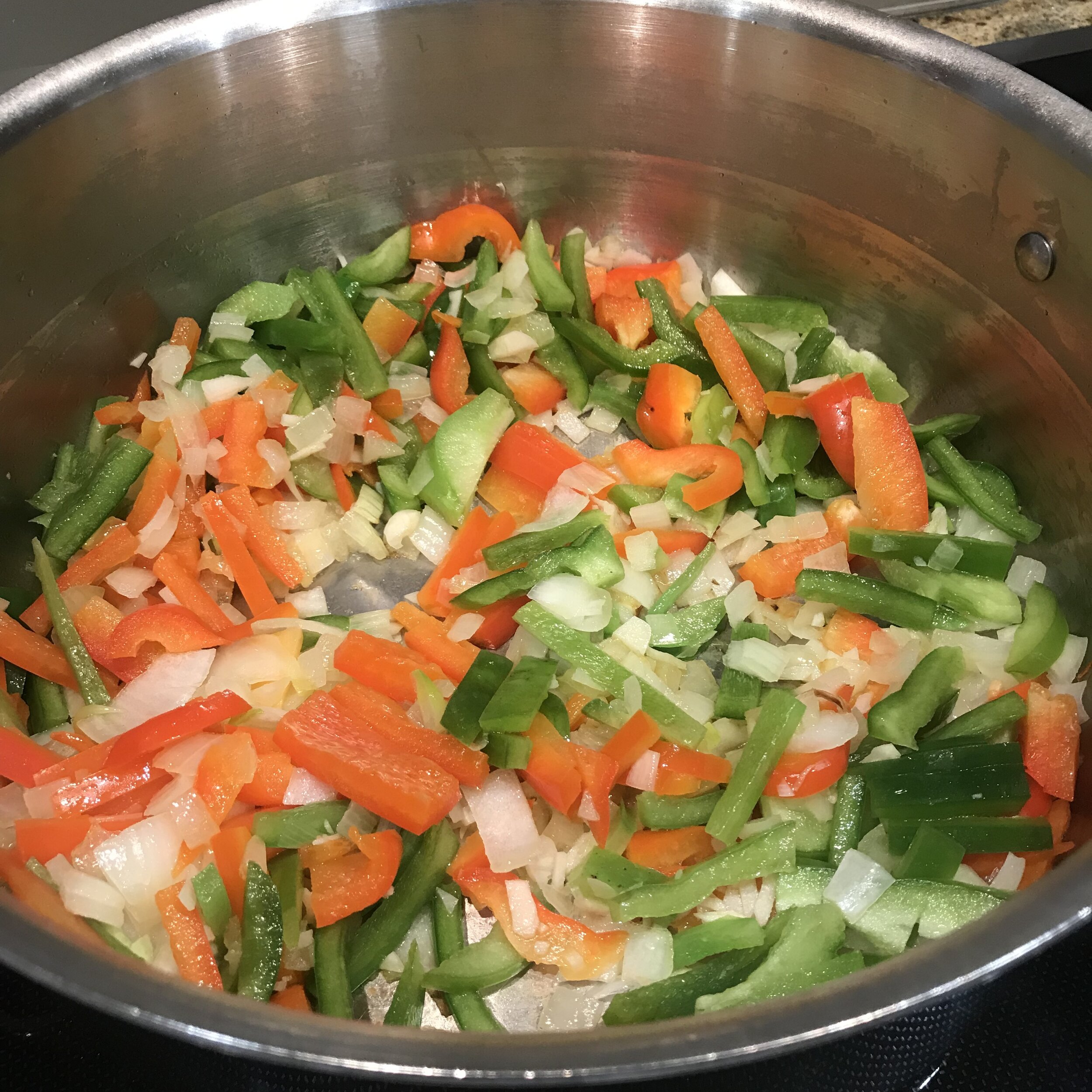
Heat a skillet or grill pan over medium high heat. When the pan is hot drizzle a small amount of olive oil in the pan and add the green onions. Sauté the onions until they start to soften and develop sear marks. Once the onions are soft removed them from the heat and allow them to cool.
In a blender, combine the sautéed onions, vinegar, mustard and honey. Start the blender and slowly drizzle in the olive oil until the mixture is smooth and well emulsified.
Just before serving, toss the lettuce, radish, pistachios and dressings to combine. Garnish with black sesame seeds and serve immediately.
Check out these other delicious salads:
SHAVED BRUSSELS SPROUTS SALAD WITH ALMONDS AND CITRUS VINAIGRETTE
SHAVED FENNEL SALAD WITH ARUGULA AND ORANGE
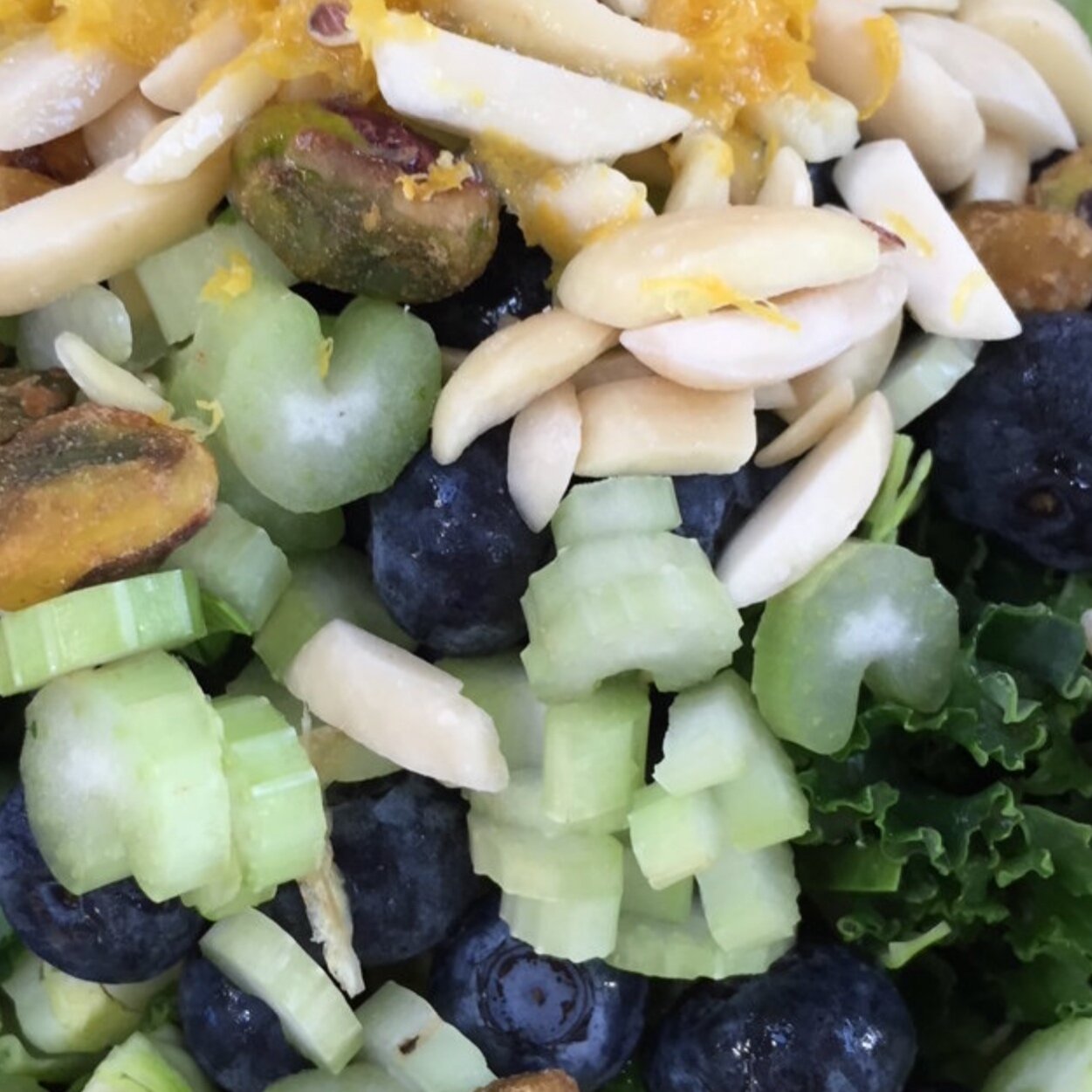
NUT AND FRUIT KALE SALAD
BEET AND LENTIL HERB SALAD
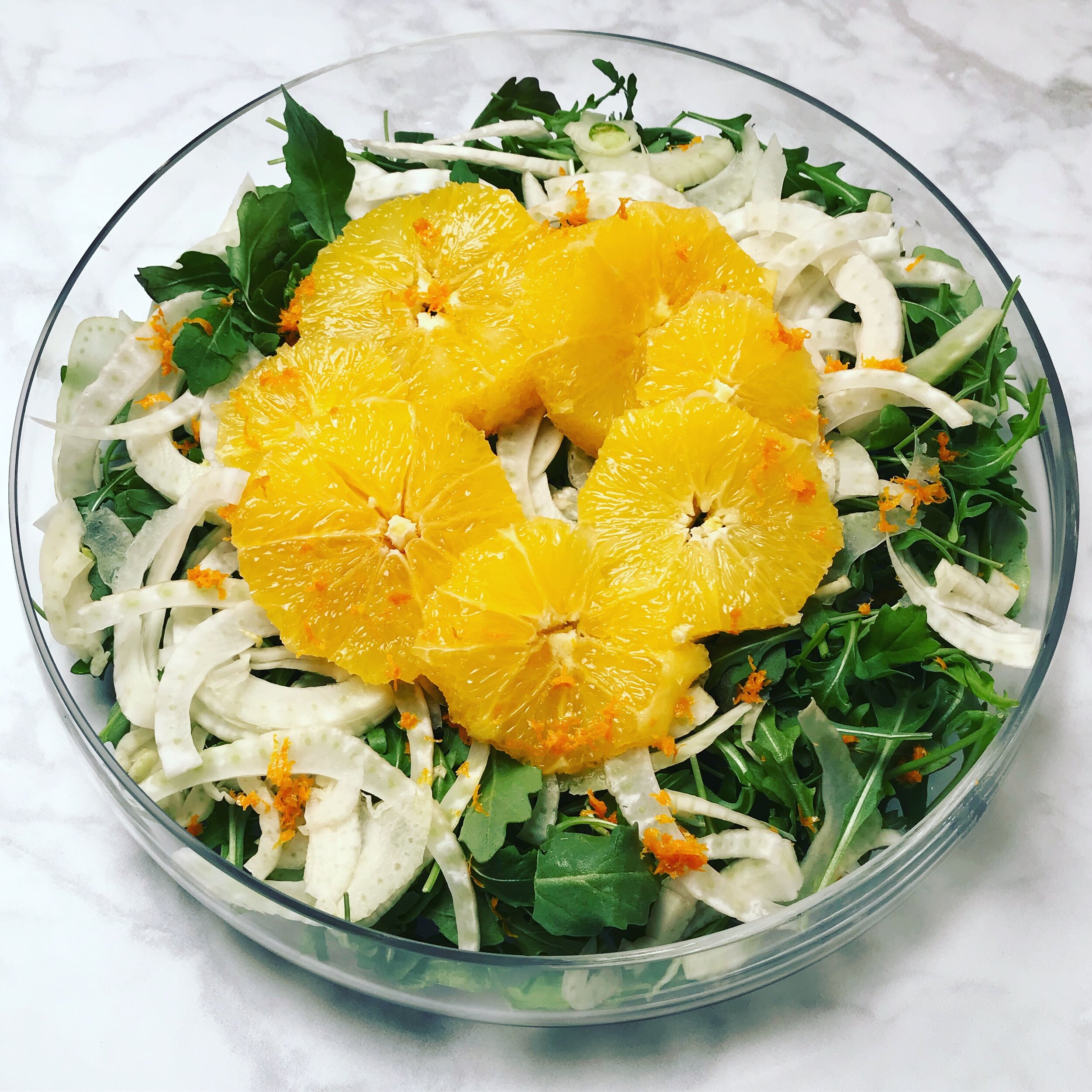
Shaved Fennel Salad with Arugula and Orange
Fennel is a bright, crispy bulb-like vegetable with a faint flavor of licorice and is slightly sweet. It is well-loved in Mediterranean cooking and is a lovely addition to salads. The orange in the recipe nicely complements the peppery greens and the licorice flavor of the fennel.
Fennel is a bright, crispy bulb-like vegetable with a faint flavor of licorice and is slightly sweet. It is well-loved in Mediterranean cooking and is a lovely addition to salads. The orange in the recipe nicely complements the peppery greens and the licorice flavor of the fennel.

Shaved Fennel Salad with Arugula and Orange
Author: Erica Leazenby, MD
Servings: 4
Time: 5-10 minutes
Ingredients:
4-6 handfuls arugula
1⁄2 fennel bulb, core removed, sliced thin
1 orange, zested then peel cut away and sliced into rounds
1-2 Tablespoon olive oil
1 Tablespoon mild vinegar like Champagne vinegar
Pinch of sea salt
1-2 grinds of fresh pepper
1-2 Tablespoons chopped walnuts (optional)
Directions:
1. Arrange the arugula, fennel and oranges in a salad bowl. Drizzle with orange zest, oil and vinegar, and sprinkle sparingly with salt and pepper. Toss just before serving and garnish with a few of the feathery fennel frons.
Nutrients per serving: Calories 58; Fat 4g; Carbohydrates 6.5g; Fiber 2g; Sugar 3g; Protein 1g
Sleep- An Important Vital Sign
Research shows that we spend up to one-third of our lives sleeping. Sleep is a basic human need, much like food and water, and is crucial to our overall health and well-being. A lack of sleep or poor-quality sleep is known to have a significant negative impact on our health in the short-term and long-term, impacting our attention span, memory recall and learning. Of course, quality sleep is an important component of functional medicine and crucial to ensure good overall health and quality of life.
World Sleep Society tips for healthier sleep:

Research shows that we spend up to one-third of our lives sleeping. Sleep is a basic human need, much like food and water, and is crucial to our overall health and well-being. A lack of sleep or poor-quality sleep is known to have a significant negative impact on our health in the short-term and long-term, impacting our attention span, memory recall and learning. Sleep is involved with many physiologic systems. Studies suggest that longer term effects of poor sleep or inadequate sleep are associated with significant health problems; such as obesity, diabetes, inflammation, cardiovascular disease, poor mental health, weakened immune systems and even some cancers. Of course, quality sleep is an important component of functional medicine and crucial to ensure good overall health and quality of life.
Quality of sleep verses quantity of Restorative Sleep
Good quality and restorative sleep is essential for day-to-day functioning and alertness. Studies suggest that sleep quality rather than quantity has a greater impact on well-being and daytime functioning.
World Sleep Society tips for healthier sleep:
Establish a regular bedtime and waking time.
If you are in the habit of taking siestas, do not exceed 45 minutes of daytime sleep.
Avoid excessive alcohol ingestion 4 hours before bedtime, and do not smoke.
Avoid caffeine 6 hours before bedtime. This includes coffee, tea and many sodas, as well as chocolate.
Avoid heavy, spicy, or sugary foods 4 hours before bedtime. A light snack before bed is acceptable.
Exercise regularly, but not right before bed.
Use comfortable, inviting bedding.
Find a comfortable sleep temperature setting and keep the room well ventilated.
Block out all distracting noise and eliminate as much light as possible.
Reserve your bed for sleep and sex, avoiding its use for work or general recreation.
Sleep disorders: A Modern global epidemic
Approximately 35% of people do not feel they get enough sleep, impacting both their physical and mental health. Most sleep disorders are preventable or treatable, yet less than one-third of sufferers seek professional help. Better understanding of sleep conditions and more research into the area will help reduce the burden of sleep disorders on society.
Three elements of good quality sleep are:
Duration: The length of sleep should be sufficient for the person to be rested and alert the following day.
Continuity: Sleep periods should be seamless without fragmentation.
Depth: Sleep should be deep enough to be restorative.
Types of sleep disorders:
Insomnia
Insomnia is a sleep disorder in which you have trouble falling and/or staying asleep. The condition can be short-term (acute) or can last a long time (chronic). It may also come and go. Insomnia affects between 30-45% of the adult population. Lack of sleep or poor quality sleep also leaves us more vulnerable to accidents. People who suffer insomnia are seven times more likely to become involved in an accident causing death or serious injury than good sleepers. Studies have shown that people with insomnia suffer from more symptoms of anxiety and depression than people without insomnia.
Sleep Breathing Problems
Breathing regularly during sleep is critical to maintain well-being and health. Persistent interruption of the breathing function during sleep is called sleep apnea. People who have obstructive sleep apnea stop breathing repeatedly during sleep because of a blockage of the upper airway. The collapse of the airway may be due to factors such as a large tongue, extra tissue or decreased muscle tone holding the airway open. Each breathing pause can last from 10 seconds to more than a minute and is accompanied by a drop in oxygen associated with each event. The events may occur 5 to 50 times or more each hour. This puts a strain on the heart and can lead to a number of serious health conditions.
This is a common disorder that affects an estimated 22% of adult men and 17% of adult women. Sleep apnea causes daytime sleepiness and fatigue, and may lead to conditions such as hypertension, ischemic heart disease, stroke, and diabetes. Directly or indirectly, disrupted sleep can have a negative effect on family life and relationships by affecting a person’s mood and the way in which they are able to perform daily activities and interact socially.
Sleep apnea is diagnosed with polysomnography (sleep study) that can be completed at home or in a sleep laboratory. There is proof that successful correction of sleep apnea can lower blood pressure, reduce the risk of heart attacks and stroke and improve excessive daytime sleepiness. Treatment options include non-invasive positive airway ventilation (continuous positive airway pressure, or CPAP), oral devices for mild disease or surgery to remove excessive tissues in the upper airway for more severe disease.
Movement disorders
Restless Legs Syndrome is a common disorder and occurs between 3-10% of the population. Restless legs syndrome (RLS) is a condition that causes an uncontrollable urge to move your legs, usually because of an uncomfortable sensation. It typically happens in the evening or nighttime hours when you're sitting or lying down. Moving eases the unpleasant feeling temporarily.
Functional medicine can help
Improving sleep quality requires a holistic approach to healing that is well-suited to functional medicine. The root cause of sleep disorders can be behavioral, environmental, emotional distress, unhealthy beliefs about sleep, substance use (medicines, caffeine, nicotine, and/or alcohol) or health conditions (obstructive sleep apnea, heart disease, asthma, lung disease, heart burn, hypothyroidism, diabetes, menopause, etc.). If you have concerns about your sleep or would like to improve it, schedule an appointment with Relish Health today.
THE 10 COMMANDMENTS OF SLEEP HYGIENE
LOSING SLEEP? FOUR CAUSES AND SOLUTIONS FOR INSOMNIA
IMPROVE YOUR SLEEP, IMPROVE YOUR HEALTH
RAW CHOCOLATE CHERRY PISTACHIO TRUFFLES
References:
World Sleep Society; World Sleep Day Toolkit. Access 3/14/2021. https://worldsleepday.org/toolkit
U.S. Dept. of Health & Human Services, NIH, 2009
Franklin KA, Lindberg E. Obstructive sleep apnea is a common disorder in the population-a review on the epidemiology of sleep apnea. J Thorac Dis. 2015;7(8):1311-1322. doi:10.3978/j.issn.2072-1439.2015.06.11
Reverse Cognitive Decline With The Bredesen Protocol
Alzheimer’s disease affects more than 5 million Americans of all ages and it is estimated that 1 in 10 people age 65 and older have the disease. Alzheimer’s disease is more common in advanced age, however this chronic disease epidemic is not a normal part of aging. Genetics play a role in the disease, but the majority of risk for the illness relates to modifiable lifestyle factors in our daily control. While there are no current cures for it, new research is giving us hope for decreasing the risk, slowing its progression and even reversing decline using functional medicine.

Alzheimer’s disease affects more than 5 million Americans of all ages and it is estimated that 1 in 10 people age 65 and older have the disease. Alzheimer’s disease is more common in advanced age, however this chronic disease epidemic is not a normal part of aging. Genetics play a role in the disease, but the majority of risk for the illness relates to modifiable lifestyle factors in our daily control. While there are no current cures for it, new research is giving us hope for decreasing the risk, slowing its progression and even reversing decline using functional medicine.
What is The Bredesen Protocol™?
The Bredesen protocol was created by a team of scientist led by Dr. Dale Bredesen, MD, Professor of Neurology at UCLA. Research suggests Alzheimer’s disease is not a single condition, but is a response to inflammation, suboptimal levels of nutrients, and toxic exposures that are influenced by at least 36 metabolic factors. The factors include micronutrients, hormone levels, and sleep, etc. Dr. Bredesen’s research suggests that abnormalities in these metabolic factors can trigger “downsizing” in the brain.
Dr. Bredesen and his team developed a new personalized therapeutic approach to treating this devastating condition by addressing the underlying causes of the suboptimal metabolic factors. The protocol is not a cure, but participants in the program have shown cognitive stabilization and improved cognition documented using both subjective and objective measures.
The program begins with a “Cognoscopy™,” a term coined by Dr. Bredesen, describing a thorough review of blood work, genetic tests, and metal status assessments. A formal document called a “ReCODE Report™” is generated from the gathered information. It evaluates the risk factors that can cause neurodegenerative diseases like Alzheimer’s, allowing the physician and participant to chart a personalized course to prevent or reverse cognitive decline.
The “Cognoscopy™” address the following areas of health:
Inflammatory causes of cognitive decline, such as:
Imbalances in fatty acids
Sugar-damaged proteins
Prolonged exposure to infectious pathogens
Having the ApoE4 allele (Alzheimer’s gene)
Other stressors that cause chronic inflammation
Atrophic causes of cognitive decline, such as:
Hormonal imbalances
Insulin resistance, pre-diabetes or diabetes
Nutrient deficiencies
Toxic causes of cognitive decline, such as prolonged exposure to:
Heavy metals (mercury or copper)
Biotoxins
Pesticides
Organic pollutants, such as mold
Information from the “Cognoscopy™” is used to develop a highly specific treatment plan for each Bredesen protocol participant. Treatment plans often include:
Specific nutrition regimens and diets with a focus on a plant-based, ketogenic diet
Exercise programs encouraging aerobic and strength training
Brain training to enhance the brain’s neuroplasticity
Sleep regimens, which includes obtaining seven to eight hours per night and testing for obstructive sleep apnea if approprate
Hormone replacement therapy if necessary
Meditation and other stress-relief programs or treatments
Health coaching to optimize your personalized program
Specific medications, if needed
Who is a good candidate for the protocol?
The Bredesen Protocol™ is a rigorous program that requires many significant lifestyle changes. It takes tremendous dedication. People who strictly adhere to the recommended diet, supplementation routine and lifestyle changes find the most success.
Ideal candidates include:
People diagnosed with early dementia or mild to moderate Alzheimer’s disease
People who have concerns about their own memory or cognition
People with a family history of dementia or Alzheimer’s disease wishing to prevent the illness before symptoms develop
People with the ApoE4 genetic variant
Note: Someone under nursing care is unlikely to benefit. In the majority of these cases, the person may be either too far advanced in cognitive decline or unable to properly implement the broad range of diet and lifestyle interventions required by the protocol.
How long is the protocol?
Maintaining cognitive function gains is dependent upon lifelong maintenance of the lifestyle modifications prescribed by the program.
How to Learn more about the Program?
Learn more by reading The End of Alzheimers or The End of Alzheimer’s Program: The First Protocol to Enhance Cognition and Reverse Decline at Any Age.
To request more information about the ReCODE™ Protocol, please call (317)975-1011 or Contact Dr. Leazenby online. Dr. Leazenby is a qualified Bredesen Protocol™ provider.
The Bredesen Protocol™ by Apollo Health
THE POWER OF FUNCTIONAL MEDICINE VERIFIED
Copyright 2013, 2014, 2015, 2016, 2017, 2018 Bredesen Algorithm™, Bredesen Protocol™
Copyright 2015, 2016, 2017, 2018 MPI Cognition™, ReCODE Protocol™, ReCODE Report™, Cognoscopy™
Lifestyle Support for Seasonal Affective Disorder
While the pandemic has many of us feeling stressed and isolated, many of us are also confronting the long gray days of winter which may also be taking a toll on our mood. If you struggle with a low mood every winter, these strategies may make this winter a bit brighter.

While the pandemic has many of us feeling stressed and isolated, many of us are also confronting the long gray days of winter which may also be taking a toll on our mood. If you struggle with a low mood every winter, these strategies may make this winter a bit brighter.
What is Seasonal Affective Disorder (SAD)?
Seasonal affective disorder (SAD) is a mood disorder with depressive symptoms that occurs at specific times of year and fully resolves at other times of year. Most SAD occurs in the fall and winter. The cause of SAD is not fully understood, but theories implicate a shift in the circadian rhythm and alterations in serotonin in the brain as potential triggers. If you struggle with SAD, know that you are not alone. SAD affects 0.5% to 2.4% of the population at some point during their lifetime. Additionally, ten to 20% of people struggling with major depression will have a seasonal pattern consistent with SAD.
What are the risk factors for SAD?
Evidence for risk factors is limited, but some data suggests that family history, being female, younger adulthood, and living at a more northern latitude may increase your risk.
What are the symptoms of SAD?
SAD is a subtype of major depressive disorder. Symptoms include fatigue, loss of interest or pleasure in activities, mood swings, sadness, hopelessness, and social withdrawal among others. Recent studies suggest that SAD may have additional symptoms, including excessive sleepiness, increased appetite especially carbohydrate craving, and weight gain.
How can SAD be treated?
I recommend starting with a proper diagnosis. Before starting treatment, I recommend talking with Relish Health or your trusted healthcare provider about your symptoms. Ruling out underlying physical conditions such as anemia, vitamin deficiencies, hormone imbalances or other medical conditions is important for addressing the root cause of your mood.
Natural ways to improve SAD include:

Light box for seasonal affective disorder
Light Therapy, also called phototherapy, is a well-documented way to improve SAD. The therapy involves sitting a few feet from a special “light box” that exposures you to bright light within the first hour of waking each day. The recommended intensity of light is 2,500-10,000 lux. The time in front of the lamp will depend on the manufacture’s specification and your response to the light. Light boxes are about 20 times brighter than ordinary indoor light. They filter out the potentially damaging UV light, making them a safe treatment for most people. However, people with certain eye diseases or people taking certain medications that increase sensitivity to sunlight may need to use alternative treatments or use light therapy under medical supervision. Light therapy mimics natural outdoor light and appears to cause a change in brain chemicals linked to mood. Light therapy is one of the first line treatments for fall-onset SAD. It generally starts working in a few days to a few weeks.
Psychotherapy, also called talk therapy or cognitive behavior therapy, is another option to treat SAD. A trained metal health professional can help you identify and change negative thoughts and behaviors that may be making you feel worse. Optimizing stress management and learning healthy ways to cope with SAD can do wonders for your mood and long-term mental health.
Optimize vitamin D. Because many people with SAD often have vitamin D deficiency, nutritional supplements of vitamin D may help improve their symptoms. However, studies testing whether vitamin D is effective in SAD treatment have produced mixed findings, with some results indicating that it is as effective as light therapy but others detecting no effect.
Eat an anti-inflammatory diet. A nourished brain is a resilient brain. We need to consume several vitamins, minerals, fats, and antioxidants to feel our best, and the only way to authentically do that is with real food. Eat a balance of vegetables, well-sourced fish and poultry, starchy tubers (potatoes, sweet potatoes), fermented foods (sauerkraut, yogurt), nuts, seeds, fruits, and plenty of healthy fats such as olive oil, avocado, coconut oil, and fatty fish like salmon or sardines. If you think you are suffering from SAD, then avoid sugar, refined carbs (i.e., bread, crackers, pasta, cookies), and inflammatory oils, such as canola oil and see if this makes any difference in your mood.
Keep moving. Commit to doing something quick, free, easy, convenient, and pleasant for a least a few minutes most days of the week. Exercise is like medicine. Even small amounts can deliver antidepressant benefits. I assure you doing something—no matter how small—is so much better than nothing.
Medicate or supplement wisely. Because SAD, like other types of depression, is associated with disturbances in serotonin activity, antidepressant medications or targeted supplements have their place in treatment regimens. I always recommend starting with good nourishment and self-care but talk to your healthcare provider or Relish Health if additional support is needed.
Learn more:
LIFESTYLE TIPS TO EASE YOUR ANXIETY
USE YOUR FORK TO IMPROVE YOUR FEELINGS
GOOD MOOD FOOD
References:
Galima SV, Vogel SR, Kowalski AW. Seasonal Affective Disorder: Common Questions and Answers. Am Fam Physician. 2020 Dec 1;102(11):668-672. PMID: 33252911.
Campbell PD, Miller AM, Woesner ME. Bright Light Therapy: Seasonal Affective Disorder and Beyond. Einstein J Biol Med. 2017;32:E13-E25.
MayoClinic.org. Seasonal affective disorder (SAD), Last accessed 2/10/2021.
The National Institute of Mental Health. Seasonal Affective Disorder. NIH Publication No. 20-MH-8138. Last accesses 2/10/21.
(This blog post is not sponsored by any manufacturer. However, at no expense to you, Relish Health may receive a commission on purchases made through an Amazon link.)
6 side dishes for lower blood pressure and improved cardiovascular health
This February marks the 57th annual American Heart Month. This long tradition helps educate people about cardiovascular disease and promotes longer, healthier lives. Despite this wonderful tradition and progress, heart disease remains the single largest health threat to Americans. This month I invite you to learn more about this amazing organ system and then give it some extra TLC with common ingredients from your kitchen.
This February marks the 57th annual American Heart Month. This long tradition helps educate people about cardiovascular disease and promotes longer, healthier lives. Despite this wonderful tradition and progress, heart disease remains the single largest health threat to Americans. This month I invite you to learn more about this amazing organ system and then give it some extra TLC with common ingredients from your kitchen.
What is the endothelium?
From a big picture perspective, our cardiovascular system is composed of our heart and a complex system of vessels. At a microscopic level, these vessels are lined with a thin layer of specialized tissues called endothelial cells. This cell layer acts as the interface between the blood and underlying vascular tissue. Endothelial cells respond to moment-to-moment changes in blood flow and blood pressure. They produce factors like nitric oxide that help the vessel wall vasodilate for increased blood flow. Healthy endothelial function and blood flow are associated with improved vascular health, improved wound healing, healthy inflammation balance and better sport and lifestyle performance. Taking care of our heart includes supporting this delicate and vital tissue.
Nitric oxide (NO), an essential ingredient for healthy endothelium

Nitric oxide (NO) is a molecule that’s produced naturally by your body in the endothelium. Its function is to signal the inner muscles of the blood vessels to relax. This relaxation, or vasodilation, allows blood, nutrients and oxygen to travel to every part of your body and helps control our blood pressure. Nitric oxide levels in the body can be compromised by nutritional deficiencies, smoking, elevated blood sugar, a sedentary lifestyle and advancing age among other factors. Nitric oxide production is dependent on a sufficient supply of nutrients including the amino acid arginine and key micronutrients like folate, vitamin C, and magnesium from the diet. Switching up your diet is one of the best and most effective ways to naturally boost levels of this important molecule.
6 side dishes to Boost Nitric Oxide Levels
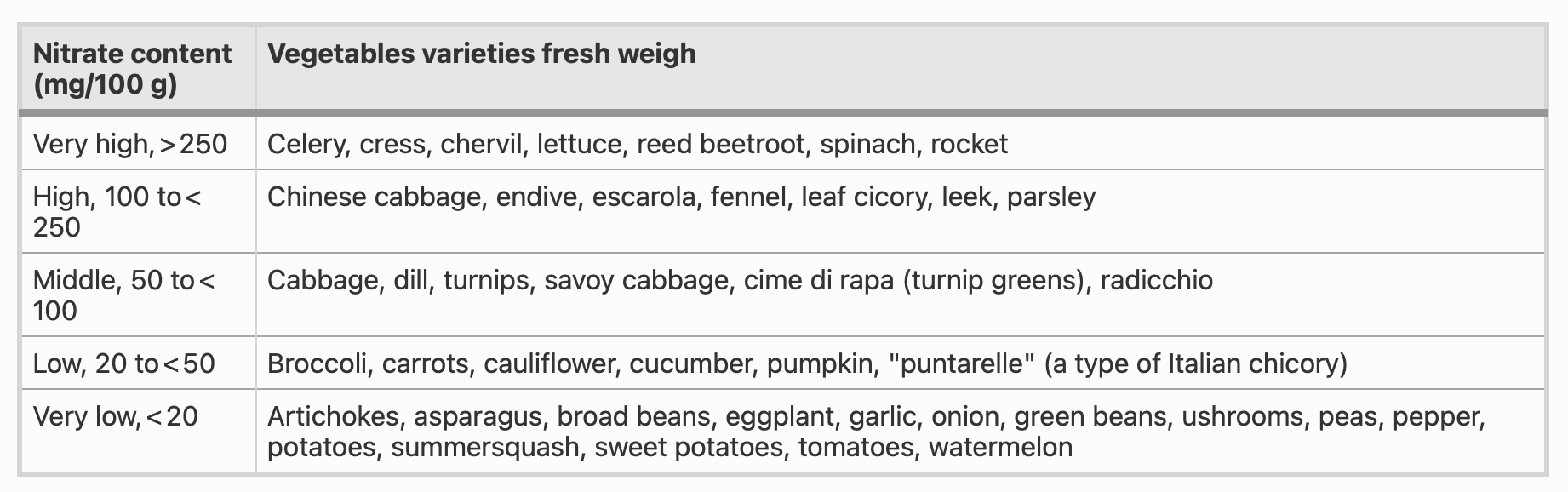
Beets and greens in particular are rich in dietary nitrates, which your body can convert to nitric oxide. Several studies have shown that beet consumption can improve nitric oxide levels and blood pressure control. Greens like spinach, arugula, kale, and cabbage are also packed with nitrates which are converted to nitric oxide in the body. Greens come with the added benefit of folate and antioxidants. These are some favorite side dishes at my dinner table:



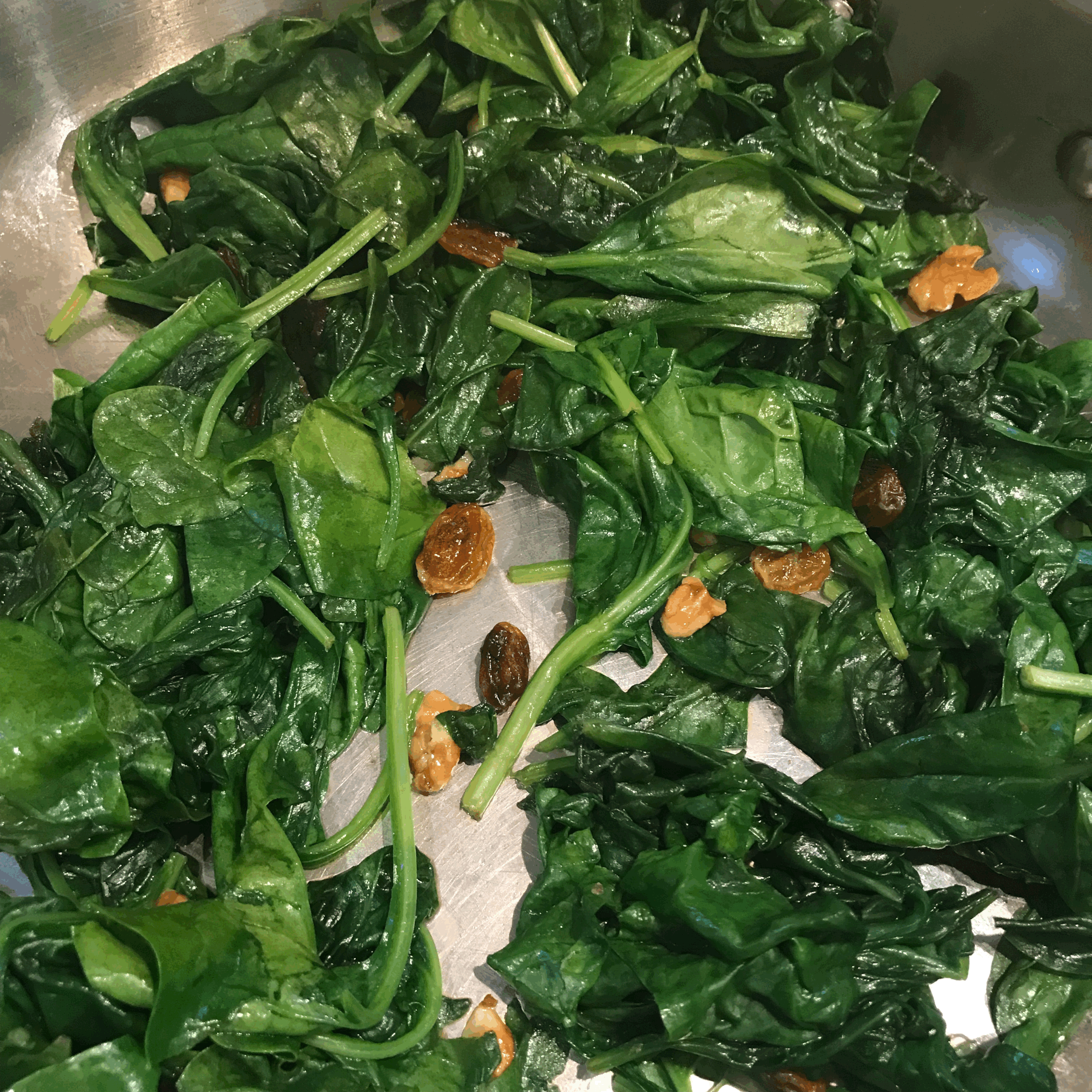
Sautéed Spinach with Pinenuts and Raisins
Beet and Lentil Herb Salad
This dish is hearty enough for a winter meal, but it is actually inspired by summer picnics. So you really can enjoy it any season. Lentils are low in calories, rich in iron and folate and an excellent source of vegetarian protein. They are packed with health-promoting polyphenols and fiber that may reduce risk of heart disease and support a healthy gut microbiome.
If you are unaccustomed to eating beans regularly, lentils are an ideal bean variety to introduce to your body. Lentils are among the easier bean varieties to digest among others such as: black-eyed peas, adzuki, anasazi, lentils and mung beans. Slowly increase them in your diet and let your body get acclimated to the increased fiber.

This dish is hearty enough for a winter meal, but it is actually inspired by summer picnics. So you really can enjoy it any season. Lentils are low in calories, rich in iron and folate and an excellent source of vegetarian protein. They are packed with health-promoting polyphenols and fiber that may reduce risk of heart disease and support a healthy gut microbiome.
If you are unaccustomed to eating beans regularly, lentils are an ideal bean variety to introduce to your body. Lentils are among the easier bean varieties to digest among others such as: black-eyed peas, adzuki, anasazi, lentils and mung beans. Slowly increase them in your diet and let your body get acclimated to the increased fiber.

Beet and Lentil Herb Salad
Author: Erica Leazenby, MD
Makes: Approximately 4 cups
Time: 15 minutes (if lentils and beets are prepared)
Ingredients:
3 small prepared beets, diced in 1 cm cubes, about 1 cup (see notes below for beets preparation options)
2 cups cooked lentils (see notes below for lentil preparation options)
3 Tablespoons olive oil
2 Tablespoon lemon juice
½ chopped herbs (like a blend of parsley, basil, mint and/or thyme)
2 Tablespoon diced shallot
½ cup walnuts, raw or toasted
3 cups arugula (3 handfuls)
Salt and pepper to taste
Directions:
Place all ingredients in a large mixing bowl. Toss and season to taste.
Serve with crusty (GF) bread or on a bed of additional greens.
Notes on Preparing Beets and Lentils:
If you are short on time, you can find high quality organic cooked beets and lentils at your grocery store, which makes this salad very easy to put together. If you have additional time, I recommend the following methods for preparing them yourself.
Beets 3 Ways:
1. Instapot- Fill your instapot with approximately 1 inch of water. Place the washed, unpeeled beets in the instapot that has been fitted with a rack. Pressure cook the beets for 15 minutes for small beets or 30 minutes for large beets. Allow the beets to cool before peeling under running water.
2. Boil your beets- Submerge your clean, unpeeled beets in a pot filled with cold water. Bring to a low boil then allow to simmer for 20-40 minutes or until fork tender. Allow the beets to cool then peel.
3. Roast your beets- Pre-heat your oven to 400 degrees. Coat your clean, unpeeled beets with avocado oil or other high smoke point oil. Place on a baking sheet and roast in the oven for 30-50 minutes or until fork tender. Time will vary considerably based on size of the beet. Roasting intensifies the sweetness of beets.
Lentils 2 Ways:
Cooking time may vary depending on the type and size of lentils used. This recipe is based on traditional brown lentils commonly found at the grocery.
1 cup dried lentils = approximately 4 cups cooked
1. Instapot- Rinse your lentils and inspect them for small rocks or impurities. Place the lentils in your instapot with enough water to cover them by 1.5 inches. Add a smashed garlic clove, bay leaf and 2-3 sprigs fresh thyme (1/2 tsp dried) for additional flavor. Cook on high pressure for 7 minutes.
2. Stove top- Prep the lentils as above. Simmer on the stove top with the aromatics for approximately 18-20 minutes or until the lentils are soft but still holding their shape. Drain and use as needed.
*Cooked lentils freeze well. I like to make a big batch and freeze in smaller portions for later use.
(This blog post is not sponsored by any manufacturer. However, at no expense to you, Relish Health may receive a commission on purchases made through an Amazon link.)
Roasted Carrots Salad with Orange Tahini Dressing
Slightly sweet and very versatile, carrots are one of America’s most popular veggies. Roasting carrots enhances the sweetness of the root and may also increase the amount of cancer fighting beta-carotene. Tahini is a paste made of mineral-rich sesame seeds. Its nutty flavor is a rich contrast to the carrots.
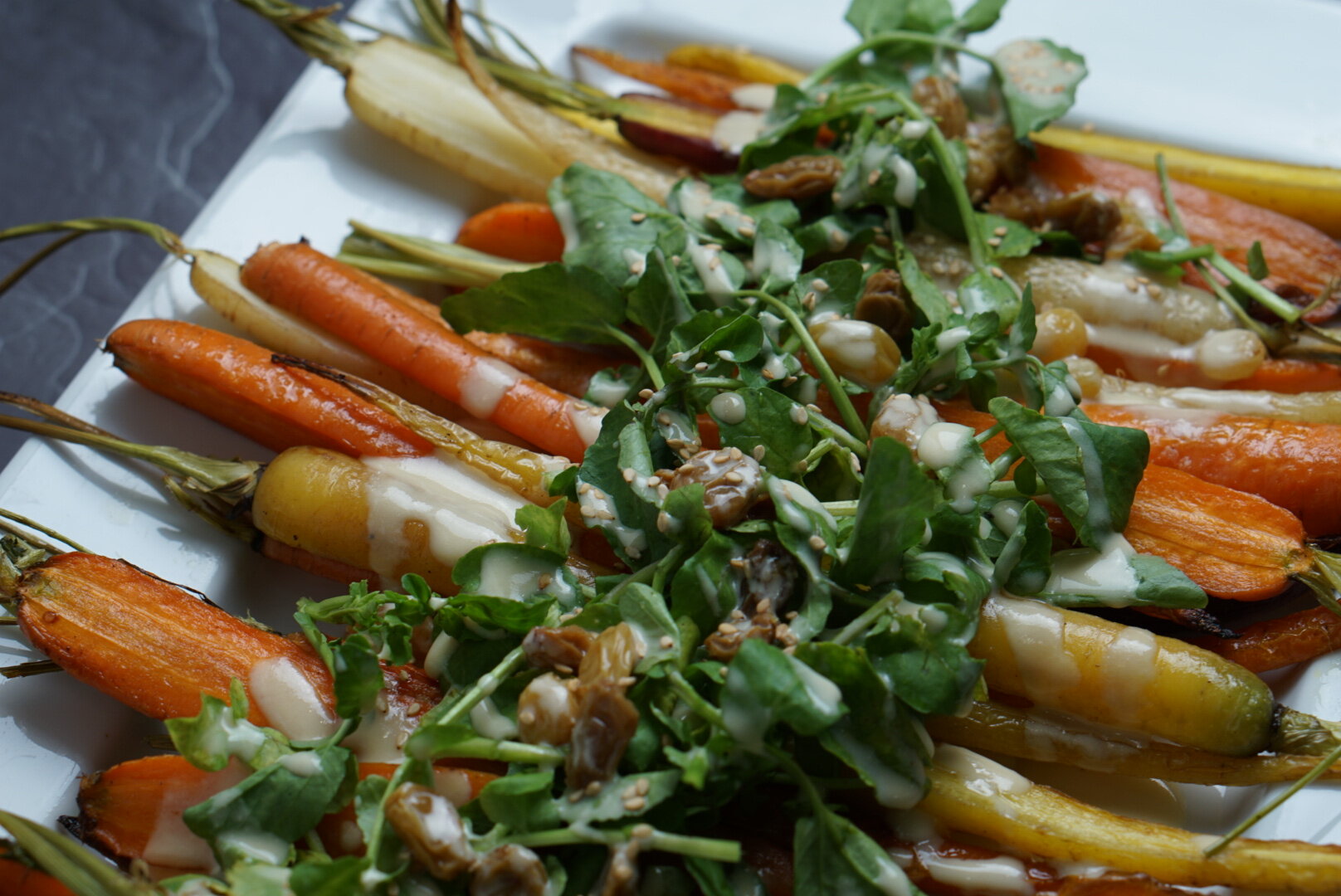
Slightly sweet and very versatile, carrots are one of America’s most popular veggies. Roasting carrots enhances the sweetness of the root and may also increase the amount of cancer fighting beta-carotene. Tahini is a paste made of mineral-rich sesame seeds. Its nutty flavor is a rich contrast to the carrots.
Roasted Carrots Salad with Orange Tahini Dressing
Author: Erica Leazenby, MD
Servings: 4
Time: 30 minutes
Orange Tahini Dressing:
2 Tbsp tahini
2 Tbsp orange juice
2 Tbsp apple cider vinegar
2 Tbsp olive oil
Pinch salt
Optional: 1/8 tsp orange blossom water
Pickled Raisins: (prepare in advance)
1⁄2 cup golden raisins
1⁄4 cup Champaigne vinegar
1/3 cup water
Pinch salt
Ingredients:
Salad:
3 lbs carrots of any color, scrubbed & sliced in half lengthwise
2-3 Tbsp olive oil
Generous pinch of Salt
1 bunch watercress, tough stems removed or arugula
1⁄4 cup golden raisin (pickled if desired)
Salt and pepper to taste
Orange tahini dressing
Directions:
To prepare the pickled raisins: Place raisins in a small, sealable jar and add the vinegar, water, and salt. Store the raisin in the refrigerator for up to several weeks.
To roast the carrots: Preheat the oven to 375 degrees. Toss the carrots with the olive oil and a generous pinch of salt. Lay the carrots in a single layer on a parchment lined baking sheet. Roast the carrots until easily pierced with a fork (about 25 min. depending on the size of the carrots). Remove from the oven and allow to cool.
To prepare the dressing: While the carrots are roasting, combine all the ingredients for the dressing in a small bowl and mix until smooth. Set aside.
Just before serving, toss the watercress, carrots, raisins and dressings to combine. Serve warm or at room temperature.
5-day Winter Menu
Did you make a new year’s resolutions this year? I’m a fan of setting monthly goals instead of grandiose resolutions. If meal planning is not something you routinely do, I encourage you to consider it as a way to improve both the quality and nutrition of your meals, but also to help relieve some of the stress of making dinner throughout the week. Planning meals in advance prevents the daily challenge of answering “what’s for dinner” and also allows for fewer last-minute trips to the grocery. (This will hopefully give you a few “found” minutes for extra self-care— another worthy goal). On each Sunday, I faithfully make a meal plan for every dinner in the upcoming week. I can then fill my online shopping cart and pickup groceries on Monday mornings because this works best for my schedule. Now I will share what kind of meals make it to my planner.

Did you make a new year’s resolutions this year? I’m a fan of setting monthly goals instead of grandiose resolutions. If meal planning is not something you routinely do, I encourage you to consider it as a way to improve both the quality and nutrition of your meals, but also to help relieve some of the stress of making dinner throughout the week. Planning meals in advance prevents the daily challenge of answering “what’s for dinner” and also allows for fewer last-minute trips to the grocery. (This will hopefully give you a few “found” minutes for extra self-care— another worthy goal). On each Sunday, I faithfully make a meal plan for every dinner in the upcoming week. I can then fill my online shopping cart and pickup groceries on Monday mornings because this works best for my schedule. I previously shared about getting started meal planning here. Now I will share what kind of meals make it to my planner. I hope this gives you some inspiration. (Fun weird personal fact… I save all of my menus and can tell you what my family had for dinner for the past 5 years).
I rarely follow recipes verbatim in my kitchen, as I view them as suggestions and inspiration. I’ve included links to some of my inspirational recipes, so you have a guide to get you started. This menu is gluten-free, dairy-free and can easily be paleo if you leave out the rice and legumes or swap them for alternative ingredients.
A 5-day menu:
Monday: Simple seared salmon with lemony Brussel sprout slaw

Brussel sprouts are in the cruciferous vegetable family making them especially nutritious. They can be shredded with a mandolin, knife or food processor. (The mandolin makes the shreds look the most attractive, but the food processor is easiest.) I’m adding pomegranate seeds to the slaw since they are in season. You could also add dried cranberries for a pop of color and flavor. I like to make a huge slaw salad. It makes excellent leftovers for weekday lunches. I’m fine with the salmon and slaw as my meal but I am also serving it with rice for my growing teenagers. I typically make extra rice and freeze it in quantities needed for a future meal.
For the salmon: Preheat your oven to 350 degrees. On a cook-top heat a cast iron skillet or similar pan on medium-high heat. While the pan is heating, drizzle a small amount of avocado oil on your salmon and in the bottom of your pan. Distribute the oil evenly in the pan and on the salmon flesh. Season the fish with salt and pepper. When the pan is hot, place the salmon skin side up on the pan for 4-5 minutes. Then flip the fish and place the pan in the oven until the fish is done. Aim to remove it when the temperature reaches approximately 130’-135' degrees in the center for medium. Fish typically takes a total of 10 minutes per inch thickness cooking time (add the cook-top and oven time together when calculating your estimated time needed for cooking). Serve with a wedge of lemon.
Tuesday: Winter veggie soup with white beans and arugula flat breads.
For the soup I am using the linked recipe as inspiration. Feel free to use whatever veggies you like. I am starting with onions, garlic, carrots and celery; then adding potatoes, parsnips, zucchini, green beans, diced canned tomatoes and a can of white beans. I season with oregano, basil, bay leaf, a pinch of red pepper flakes, salt and pepper. Use your favorite stock as the base. I find chopping veggies meditative, but if you find the task is a chore, consider purchasing the veggies already chopped from the produce section of the grocery. You will pay slightly more for the convenience, but the slight up-charge is substantially less expensive and more nutritious than take-out. Again, I’m making a big pot, so I have leftovers for lunch. Notice a theme?
To mix things up a bit I am serving the soup with a flatbread. I start with a frozen cauliflower crust from my local grocery. I will lightly cover it with olive oil and toast it in the oven. After baking, pile the crust with fresh arugula, a pinch of salt and a drizzle of fruity olive oil. Some thinly sliced peppadew peppers are also nice on top for color and extra flavor. Slice and enjoy.
I love beans as a source of fiber and plant-based protein, but they can be challenging to tolerate for people with autoimmune disease or certain GI conditions. Grass-fed beef stew meat would be a great substitute for the beans if you are looking to make this meal paleo. I recommend browning the meat in your soup pot with a small amount of oil, salt and pepper at the beginning of the soup recipe instructions.

Wednesday: Cashew cream Alfredo pasta with shitake bacon
This is comfort food at its finest. This sauce recipe makes enough for two meals for my family. I will be freezing whatever sauce is not eaten so I have an easy future meal. I serve this over gluten-free, lentil pasta for my family. I also enjoy this sauce on spiraled zucchini that has been lightly sautéed. My favorite part of the meal is the mushrooms.
Thursday: Poached cod with onions, fennel, tomatoes and olives served over rice with a side salad

This recipe feels a little fancy but is an easy one-pot wonder. No fennel, no problem— the caramelized onions alone are enough to make the dish delicious. I buy wild caught frozen cod at my local grocery.
The leftover or frozen rice from Monday comes in handy tonight. Again, I’m fine without it since I find a plant-forward paleo eating style helps me feel my best. Add the rice (or cauliflower rice) if you need a few more calories or carbs in your diet.
Serve with a side salad. I plan to make a salad with simple bibb lettuce and thinly sliced radishes. I’ll top it with a homemade Dijon vinaigrette.
Friday: Rotisserie Chicken, oven baked fries and roasted broccolini

Fridays we try to keep it simple. I chop potatoes and roast them in the oven or air frier with a little avocado oil and salt/pepper. If I want to get fancy, I toss them with a thinly sliced jalapeño and teaspoon of ghee after baking.
The broccolini can be steamed, roasted or blanched. Feel free to swap your favorite green veggie or perhaps whatever veggies is still in your fridge leftover from the week.
My husband typically picks the protein and mans the outdoor grill or indoor grill-pan. Or, on busy weeks, we simply pick up a fresh roasted, organic chicken from the grocery. (Pro-tip: Whole Foods allows you to call ahead to reserve your bird.)
Friday nights typically call for a nice glass of wine to celebrate the week.
Bon appétit.
Braised cod with fennel, tomatoes and olives
Fennel is one of my favorite veggies. It has a sweet, anise flavor that in my opinion is underutilized and under-appreciated. The anise flavor of this fall veggie mellows as it caramelizes during cooking. The briny olives and bright tomatoes in this recipe make a delicious pan sauce for the humble cod. I like to serve the fish with roasted potatoes or rice.
Fennel is one of my favorite veggies. It has a sweet, anise flavor that in my opinion is underutilized and under-appreciated. The anise flavor of this fall veggie mellows as it caramelizes during cooking. The briny olives and bright tomatoes in this recipe make a delicious pan sauce for the humble cod. I like to serve the fish with roasted potatoes or rice.
Pro tip: Save the tops of your fennel to add to homemade stock. I store them in the freezer until stock-making day. Fennel tops are one of my secret ingredients for an amazing soup base.

Braised cod with fennel, tomatoes and olives
Braised cod with fennel, onions and olives
Author: Erica Leazenby
Time: 30 minutes
Serves: 4
Ingredients:
2 Tablespoons olive oil
1 medium fennel bulb, sliced thin
1 small onion, sliced thinly (pole to pole)
1 pint cherry tomatoes
1 garlic clove, diced
1 bay leaf
20-25 Castelvetrano olives, pitted
4 wild caught cod fillets
Salt and pepper to taste
Parsley to garnish (optional)
Directions:
Heat a cast iron skillet to medium heat. Add the olive oil, fennel and onions. Sauté the veggies until they are soft and becoming translucent, about 5-6 minutes.
Add the garlic, bay leaf, tomatoes and olives; sauté for an addition 3-4 minutes until the tomatoes start to soften. Add 1/4-1/2 cup water to the skillet if the veggie mixture starts to thicken.
Season the cod with salt and pepper. Place the cod on top of the simmering veggies. Use a spoon to baste the fish with the pan juices. Cover the skillet and cook the fish until done. The fish will take about 10 minutes per inch thickness to cook. Most cod fillets are about 1/2-3/4 inch thick and take 5-6 minutes to poach.
Garnish the cod with parsley if desired.
Want more fish recipes:
SPICE RUBBED SALMON
ROASTED SALMON WITH LEMON WALNUT RELISH
Cashew Cream Alfredo Pasta with Shitake Bacon
This sauce uses creamy, sweet cashews to create a rich sauce that provides tremendous flavor with a dose of good fats and minerals. The sauce is delicious on its own, but the roasted shitake mushrooms add a pop of flavor that should not be missed!
This sauce uses creamy, sweet cashews to create a rich sauce that provides tremendous flavor with a dose of good fats and minerals. The sauce is delicious on its own, but the roasted shitake mushrooms add a pop of flavor that should not be missed!
Cashew Cream Alfredo Pasta with Shiitake Bacon
Author: Adapted from a recipe by fellow Natural Gourmet Institute graduate, Chloe Coscarelli
Makes approximately 2 cups sauce
Time: 30 minutes plus cashew soaking time

Ingredients:
1 lb of your favorite pasta*
2-3 Tbsp olive oil
1 4-oz package shiitake mushrooms
1 cup raw cashews, soaked**
1 large onion, large dice
3 cloves garlic, large dice
1 cup hot water
1 tsp salt
1 - 1½ Tbsp fresh lemon juice
1 - 1½ tsp miso (optional)
Salt and pepper to taste
Directions:
Place your cashews in a bowl of filtered water and let sit for 6+ hours. Drain and rinse before use.
Prepare the Shitake: Pre-heat the oven to 400 degrees. Remove the stems from the mushrooms and set them aside for another use. Cut the remaining caps into ¼ inch strips. Toss the strips with 1-2 Tbsp of olive oil and season with salt and pepper. Place the mushrooms on a parchment lined baking sheet and roast for 15-20 minutes or until the mushrooms are browned and crisp. Stir once during baking.
While the mushrooms are baking, cook the pasta according to the package instructions and prepare the pasta sauce.
Prepare the Alfredo: Heat a sauté pan over medium high heat. Sauté the onions and garlic with 1 Tbsp of olive oil until they start to soften and become transparent, about 5-7 minutes.
In a blender, combine the sautéed onions and garlic along with the cashews, hot water, lemon juice, miso and seasoning. Run the blender on high until the mixture is smooth. Adjust the flavor by adding additional lemon juice, miso or salt and pepper as desired.
Toss the pasta and sauce in a pasta bowl and garnish with the mushrooms. Serve. while hot.
* I prefer chickpea pasta for added protein and fiber in the meal.
** If you forget to soak the cashews you can pour boiling water over the nuts and let them sit for as long as you have.
Nutrients per ¼ cup sauce: Calories 132; Fat 11g; Carbohydrates 7g; Fiber 1g; Protein 3g
Shaved Brussels Sprouts Salad with Almonds and Citrus Vinaigrette
When it comes to nutrient density and healing potential, it is hard to beat leafy greens and cruciferous vegetables. Just a one-cup serving of Brussels sprouts will meet your daily requirement for vitamin C and vitamin K while also providing plenty of folate, potassium, B vitamins, manganese and loads of other nutrients. Cruciferous vegetables also have been documented to help fight cancer and heart disease.

When it comes to nutrient density and healing potential, it is hard to beat leafy greens and cruciferous vegetables. Just a one-cup serving of Brussels sprouts will meet your daily requirement for vitamin C and vitamin K while also providing plenty of folate, potassium, B vitamins, manganese and loads of other nutrients. Cruciferous vegetables also have been documented to help fight cancer and heart disease.
Shaved Brussels Sprouts Salad with Almonds and Citrus Vinaigrette

Author: Erica Leazenby
Serves: 6 1-cup portions
Time: 15 minutes
Ingredients:
1 lb fresh Brussel sprouts, tough end trimmed
1/2 cup roasted, salted almonds, roughly chopped (smoked almonds add great flavor)
1 small shallot, thinly sliced
Optional: dried cranberries or pomegranate areoles
Dressing:
Juice and zest of one lemon
Olive oil (equal amount to lemon juice)
2 tsp honey
1⁄2 tsp Dijon mustard
1⁄4 tsp salt
Pepper to taste
Directions:
In a small bowl, whisk the lemon juice, lemon zest, olive oil, honey, mustard, salt and pepper together. Set aside.
Using the slicing blade of a food processor or a mandolin, carefully slice the Brussel sprouts and shallot.
Toss the the Brussel sprouts with enough of the dressing to coat the greens well. Garnish with the almonds and serve.
COVID-19 Vaccine FACT CHECK
As a healthcare provider I am very fortunate to have already received the COVID-19 vaccine. My decision to vaccinate was make carefully after reading extensively about the vaccine’s development and preliminary published data. I’ve received many questions about the vaccine in the office and in my inbox. I hope the information below is a helpful summary.

As a healthcare provider I am very fortunate to have already received the COVID-19 vaccine. My decision to vaccinate was make carefully after reading extensively about the vaccine’s development and preliminary published data. I’ve received many questions about the vaccine in the office and in my inbox. I hope the information below is a helpful summary.

What is an mRNA Vaccine?
From the CDC: mRNA vaccines are a new type of vaccine to protect against infectious diseases. Instead of injecting a weakened or inactivated germ into the body, the mRNA vaccine teaches our cells how to make a protein that triggers an immune response. That immune response, which produces antibodies, is what protects us from getting infected if the real virus enters our bodies.
The COVID-19 mRNA vaccines give instructions for our cells to make a piece of what is called the “spike protein.” The spike protein is found on the surface of the virus that causes COVID-19.
The COVID-19 mRNA vaccines are given in the upper arm muscle. Once the instructions (mRNA) are inside the immune cells, the cells use them to make the protein piece. After the protein piece is made, the cell breaks down the instructions and gets rid of them.
Next, the cell displays the protein piece on its surface. Our immune systems recognize that the protein doesn’t belong there and begin building an immune response and making antibodies, like what happens in natural infection against COVID-19.
At the end of the process, our bodies have learned how to protect against future infection. The benefit of mRNA vaccines, like all vaccines, is those vaccinated gain this protection without ever having to risk the serious consequences of getting sick with COVID-19.
Facts about COVID-19 mRNA Vaccines
mRNA vaccines do not use the live virus that causes COVID-19. They cannot give someone COVID-19.
mRNA vaccines do not affect or interact with our DNA in any way. The mRNA never enters the nucleus of the cell, which is where our DNA (genetic material) is kept. The cell breaks down and gets rid of the mRNA soon after it is finished using the instructions.
COVID-19 mRNA Vaccines Will Be Rigorously Evaluated for Safety
mRNA vaccines have been held to the same rigorous safety and effectiveness standards as all other types of vaccines in the United States. The only COVID-19 vaccines the Food and Drug Administration (FDA) will make available for use in the United States (by approval or emergency use authorization) are those that meet these standards.
The emergency use authorization (EUA) for COVID-19 vaccines expedites access of the vaccine to the public, but the FDA still requires safety and efficacy data in line with what is needed for eventual approval. The bar for vaccine EUAs is higher than the one set for COVID-19 treatments.
mRNA Vaccines Are New, But Not Unknown
Researchers have been studying and working with mRNA vaccines for decades. Interest has grown in these vaccines because they can be developed in a laboratory using readily available materials. This means the process can be standardized and scaled up, making vaccine development faster than traditional methods of making vaccines.
mRNA vaccines have been studied before for influenza, Zika, rabies, and cytomegalovirus (CMV). As soon as the necessary information about the virus that causes COVID-19 was available, scientists began designing the mRNA instructions for cells to build the unique spike protein into an mRNA vaccine.
Vaccine Efficacy
Early data suggest the Pfizer-BioNTech or Moderna vaccine has roughly 95% efficacy against COVID-19 after 2 doses of the same product separated by 21 or 28 days. Pfizer-BioNTech data over about 2 months showed 162 symptomatic, confirmed COVID-19 cases in the placebo group versus 8 in the vaccinated group. More than 43,000 people age 16 and up participated in the trial. After broader use nationally, we will learn more about real-world effectiveness including how long immunity lasts.
Vaccine Side Effects
Common reactions to the vaccine include injection site pain and flu-like symptoms (fatigue, aches, etc.) Symptoms were seen more frequently after the second dose. They should go away in a couple days and can be signs the immune system is working.
A small number of people have experienced significant allergic reactions with the COVID-19 vaccines. So far, according to reports, about 11 severe allergic reactions — representing about one in 190,000 doses administered — have been noted.
It is important to keep side effects from the vaccine in perspective. In Indiana, the I.U.P.U.I. Fairbanks School of Public Health calculates that for people 60 years and older who were not living in jails or nursing homes, Covid-19 killed about one in 58 of those infected. For people between the ages of 40 and 59, it was about one in 833, and for people younger than 40 it was about one in 10,000. For those who were not white, the fatality rate was more than three times that for whites.
Is the vaccine safe for people with autoimmune disease?
The vaccine was authorized to prevent COVID-19 in people age 16 and older. People with autoimmune conditions or who are immunocompromised are not excluded from getting the vaccine, but they are part of certain groups that require extra consideration.
Talk to your healthcare provider about all of your medical conditions, including if you:
have any allergies
have a fever
have a bleeding disorder or are on a blood thinner
are immunocompromised or are on a medicine that affects your immune system
are pregnant or plan to become pregnant
are breastfeeding
have received another COVID-19 vaccine
If you are immunocompromised or have an autoimmune disease, you and your doctor can decide together whether getting the vaccine now is right for you.
In a press release, the American College of Allergy, Asthma, and Immunology said the “Pfizer-BioNTech COVID-19 vaccine is not a live vaccine and it can be administered to immunocompromised patients. Physicians and other providers should inform such immunocompromised patients of the possibility of a diminished immune response to the vaccine. We do not know at this time if people with a weakened immune system will respond to the vaccine and be protected from COVID-19.”
The Basics are still important
It’s important for everyone to continue using all the tools available to help stop this pandemic as we learn more about how COVID-19 vaccines work in real-world conditions. Cover your mouth and nose with a mask when around others, stay at least 6 feet away from others, avoid crowds, and wash your hands often… even after vaccination.
A PLAYBOOK FOR SOCIALIZING DURING SARS-COV-2
5 THINGS YOU SHOULD KNOW ABOUT A FACE MASK
Reference:
Understanding mRNA COVID-19 Vaccines, Centers for Disease Control and Prevention, Accessed 12/30/2020.
Pharmacist Letter Therapeutic Research, Share Answers About mRNA COVID-19 Vaccines. Posted 12/21/2020. Accessed 12/30/20.
Centers for Disease Control Recommendations for underlying conditions. Accessed 12/30/2020.
American College of Allergy, Asthma, and Immunology Releases Guidance on Risk of Allergic Reactions to the Pfizer-BioNTech COVID-19 Vaccine Posted 12/14/2020. Accessed 12/30/2020.
8 Things to Know about the U.S. COVID-19 Vaccination Program Centers for Disease Control and Prevention. Accessed 12/30/2020.
Carroll, Aaron. (2020). ‘The Risks of the Covid Vaccine in Context.’ The New York Times. Dec. 30, 2020.
Dutch Baby Pancake
When I was a little girl, I would go visit my Grandmother during the holidays. She would take my siblings and I to a restaurant in the Chicagoland area that specialized in Dutch babies, also called German pancakes. These delicacies are pure nostalgia for me. Dutch babies are large puffy pancakes that are a bit like popovers or soufflés. The pancake is made from simple ingredients but look very impressive and festive on the table. Dutch babies are traditionally (at least in my memories) served with lemon and powdered sugar but can be served with other fruit or savory toppings. It has taken me some testing in the kitchen, but I have been able to convert my memories of this treat into a gluten-free and dairy-free version that is perfect for breakfasts and brunches for my family. Sometimes I’ll expand the recipe and add a dollop of sautéed apples in the skillet just after I add the batter. Enjoy!

Dutch Baby

Dutch baby with lemon and powdered sugar

Dutch baby with sautéed granny smith apples
When I was a little girl, I would go visit my Grandmother during the holidays. She would take my siblings and I to a restaurant in the Chicagoland area that specialized in Dutch babies, also called German pancakes. These delicacies are pure nostalgia for me. Dutch babies are large puffy pancakes that are a bit like popovers or soufflés. The pancake is made from simple ingredients but look very impressive and festive on the table. Dutch babies are traditionally (at least in my memories) served with lemon and powdered sugar but can be served with other fruit or savory toppings. It has taken me some testing in the kitchen, but I have been able to convert my memories of this treat into a gluten-free and dairy-free version that is perfect for breakfasts and brunches for my family. Sometimes I’ll expand the recipe and add a dollop of sautéed apples in the skillet just after I add the batter. Enjoy!
Dutch Baby Pancake
Author: Erica Leazenby, MD
Serves: 1-2
Time: 20 minutes
Ingredients:
¼ cup almond flour*
¼ cup arrowroot flour*
2 tablespoons sugar (or monk fruit)
½ teaspoon sea salt
3 large eggs
¾ cup non-dairy, unsweetened milk (I like cashew milk.)
½ teaspoon vanilla
3 Tablespoons vegan butter (I like Mikoyo cultured coconut vegan butter.)
Directions:
Place a 10-inch cast iron skillet in the middle of the oven. Preheat the oven and the skillet to 425 degrees.
Puree the eggs in a blender on high until they are pale and frothy. Add the almond flour, arrowroot flour, salt, sugar, milk and vanilla to the blender. Puree again until the batter is smooth.
Place the butter in the hot skillet in the oven. Gently swirl the butter around the pan until it is all melted, and the bottom of the pan is evenly coated. Immediately add the batter to the center of the skillet and close the oven.
Bake the mixture until the batter is puffed and golden brown, about 16-19 minutes. The edges may be crisp.
Serve with lemon and powdered sugar or your favorite fruit.
*The gluten protein in wheat provides an elastic-like quality to regular flour. I have experimented with a number of gluten-free flours for Dutch babies. No gluten-free flour can exactly replicate the “puff” of regular flour; however I have had the best success with a combination of almond flour and arrowroot flour or a gluten-free 1-for-1 flour replacement.
(This blog post is not sponsored by any manufacturer. However, at no cost to you, Relish Health may receive a commission on purchases made through an Amazon link.)
Toasted Marzipan
I first tasted marzipan while in Seville, Spain. I purchase the candies from a church gift shop in town. The candy was supposedly made and blessed by local nuns. To me the candy tasted heaven sent. I’ve had a love affair with it ever since.
Luckily, marzipan is very easy to make and is naturally a gluten and dairy free treat. This is the recipe I use at the holidays.
I first tasted marzipan while traveling in Toledo, Spain. I purchased a box from a gift shop at a convent, whose nuns have been making treats for centuries. To me the candy tasted heaven sent. I’ve had a love affair with it ever since. Their bite-sized shape makes them perfect to have a couple (or a few) with coffee or tea. I enjoy making them around this time of year as the nuns originally created them to be a Christmas treat. Luckily, marzipan is very easy to make and is naturally a gluten-free and dairy-free treat.
Toasted Marzipan

Author: Erica Leazenby, MD
Servings: 48 bite size pieces
Total time: 30 minutes
Ingredients:
2 cups almond meal
1 cup cane sugar, puréed to form powdered sugar*
1 large egg, white and yoke separated
1/2 teaspoon almond extract
Directions:
Puree the sugar in a blender until it is the consistency of powdered sugar. This will help the sugar incorporate into your dough and prevent the candies from having a gritty consistency.
Combine the almond meal, sugar, egg white and extract in a mixing bowl. Stir the ingredients until they start to form a dry dough. Use your hands to finish kneading the ingredients into a firm ball. The warmth of your hands helps the dough come together.
The dough will be the texture and consistency of a firm playdough. This is where the fun begins. Form the dough into bite size shapes of your choice. I like to use silicone flower molds, but simple ovals or small logs decorated with lines from a knife, fork or toothpick also look nice. Be sure to press the dough firmly in the mold if using. Once formed, turn the dough out of the mold and set the formed pieces on a cookie sheet and set aside.
Once all the dough has been formed into shapes, prepare an egg wash. Add a splash of water (1-2 tsp) to the reserved yoke. Beat it well until it is a thin consistency.
Preheat the broiler of your oven. (I use the low broiler setting on my oven. If your oven only has one setting I recommend using the middle shelf of your oven for toasting rather than the upper shelf.)
While the oven is heating, use a pastry brush to apply a thin coat of egg wash to each candy.
After brushing each candy, place the baking sheet on the top shelf of the oven and leave your oven light on. Toast the candies for 30-60 seconds or until the tops are golden brown. DO NOT leave your candies unattended. They burn very quickly.
Allow to cool and enjoy.
*You can use alternate types of dried sugar like coconut or demerara, but the marzipan will be darker in color. This is one of the few times I use white sugar in my kitchen. Regular powdered sugar can be used, however commercially available powdered sugar contains corn starch and should be avoided if you are trying to avoid corn or grains.
(This blog post is not sponsored by any manufacturer. However, at no cost to you, Relish Health may receive a commission on purchases made through an Amazon link.)
How to manage skin irritation from masks and hand washing
Winter weather is often associated with dry, chapped skin. The increased frequency of hand washing and use of personal protective equipment (PPE) during this pandemic adds additional challenges to our skin’s health this time of year. Consider some of these strategies to sooth and protect your skin:
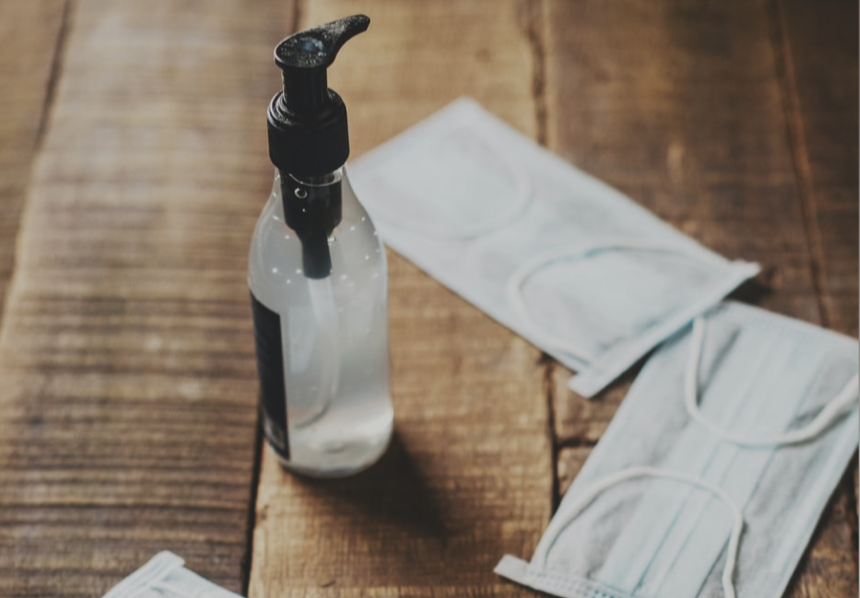
Winter weather is often associated with dry, chapped skin. The increased frequency of hand washing and use of personal protective equipment (PPE) during this pandemic adds additional challenges to our skin’s health this time of year. Consider some of these strategies to sooth and protect your skin:
General prevention strategies to minimize skin irritation
Keep skin clean and well hydrated. (The Environmental Working Group has a wonderful app that can be used to find safe and green products.)
Keep showers or baths short, limiting to about five to ten minutes, using warm NOT hot water, and using mild soaps.
Avoid coming into direct contact with chemicals that are used for surface disinfection. For example, wear gloves when using disinfecting surface wipes or cleaning solutions.
Wear gloves when coming into contact with water for purposes other than to wash your hands (e.g., washing dishes, washing a child’s hair, using cleaning products) to help keep the skin barrier intact. Consider wearing a cotton liner under your gloves to prevent irritation from sweat if you are wearing gloves for long periods of time.
Use fragrance- and dye-free soaps, sanitizers, moisturizers, and laundry detergents. These are less likely to cause skin reactions. Avoid “unscented” products. These may use additives to mask smells that can cause irritation.
When possible, give skin a break from contact with water or PPE. For example, try to take a break from a mask for about 15 minutes every two hours, if safe and practical to do so.
Consider using a humidifier inside your home to increase moisture in the air.
If possible, avoid using PPE containing common culprits for skin irritation/reactions (e.g., latex or formaldehyde).
Know when to wash verses sanitize your hands
Frequent hand washing/sanitizing and long-term glove use can lead to a skin moisture imbalance.
Use alcohol-based hand sanitizer unless hands are visibly dirty. Hand sanitizer is less irritating than soap. Soap strips away natural oils. Alcohol-based hand sanitizers may sting, but are usually less likely to be associated with dermatitis than washing with soap and water.
Pat hands dry or allow hands to air dry instead of rubbing to avoid further irritation. Use warm water instead of hot. Frequent use of hot water can lead to excessively dry skin.
Avoid using hand sanitizer and soap one right after the other. Consecutive use increases skin damage.
Use moisturizer to help prevent or treat dry skin
Apply moisturizer liberally, regularly, and whenever skin feels dry. Lean towards creams and/or ointments over lotions. Lotions are less moisturizing.
After washing with soap and water, apply moisturizer while skin is still damp.
After sanitizer use, allow areas to completely dry before applying moisturizer, to avoid trapping the alcohol in the skin.
If moisturizers seem to increase irritation, look for ingredients associated with contact dermatitis (e.g., lanolin, fragrances, essential oils, propylene glycol, etc.).
Applying moisturizer twice in a row may provide additional benefit. Just wait 30 seconds or a minute between applications to allow time for initial absorption.
Apply moisturizer at least 30 minutes before putting PPE on to be sure it is fully absorbed and areas are dry.
Avoid using petrolatum-based moisturizers if using N95 masks, as this can interfere with mask integrity.
For severe hand dryness or to give hand skin a hydration boost, apply petrolatum and then put on gloves or socks. Consider doing this just before going to sleep.
Though data is not strong, rubbing olive or coconut oil on dry skin may help moisturize skin, especially the hands. Be sure to stop using these products if acne or irritation occurs.
Ways to prevent irritation from wearing face protection
Ensure PPE fits properly and avoid over-tightening masks, goggles, etc.
Make sure skin and PPE are clean and dry before putting on PPE.
Reference: PPE-Related Skin Irritation: Prevention and Treatment
Related articles:
Preserved Lemons
Preserved lemons require only two ingredients, lemon and salt, but together pack a tangy and bright acidic punch for your meal. This secret trick to enhancing salad dressings, dips and marinades is rich in probiotics and vitamin C, both of which can help support your immune system. You can use preserved lemons in any recipe that you would use fresh lemons. Delicious!


Many people are using their quarantine time to create sourdough starters. I've opted for an easier fermentation project. Preserved lemons require only two ingredients, lemon and salt, but together pack a tangy and bright acidic punch for your meal. This secret trick to enhancing salad dressings, dips and marinades is rich in probiotics and vitamin C, both of which can help support your immune system. You can use preserved lemons in any recipe that you would use fresh lemons. Delicious!
🍋🍋🍋
Preserved lemons:
5 organic lemons
2 Tbsp salt
Optional: 1-2 peppercorns and/or a few saffron threads
With clean hands, thinly slice 3 1/2 lemons. Remove the seeds and place them in a clean, small glass jar. Pour the juice of the remaining 1 1/2 lemons over the slices. Add the salt and stir.
Place a smaller glass jar or similar object on top of the lemon slices to keep them submerged in the juice. (I place the lemons in a wide-mouth ball jar and place a smaller juice glass inside.)
Cover the jar(s) with a towel or cheese cloth for protection from dust. Let the jar sit on the counter away from direct sunlight for about 1 week.
After 1 week, refrigerate and use the lemons as desired. Note that a little bit goes a long way.
Relish Health Gift Guide 2020
It’s that time of year again when we think about how to show our love to family, friends and community. What shall we give after this very challenging year? Gifts don’t necessarily come wrapped in a little box to make a big difference. Consider some of these options:

It’s that time of year again when we think about how to show our love to family, friends and community. What shall we give after this very challenging year? Gifts don’t necessarily come wrapped in a little box to make a big difference. Consider some of these options:
The Gift of Time
Some of the most meaningful gifts are gifts of time.
We can volunteer. Being deliberate about calling (or visiting if appropriate) elders, cooking for people with stressful circumstances, reading virtually to elders or children, pitching in to clean a park, serving meals at a shelter are just a few examples. My family will be collecting supplies for Outreach, a local organization that supports homeless youth. Volunteering is good for your community and good for your soul and health.
We can spend time with someone we love. The pandemic has changed how we socialize leaving many people feeling lonely. Spending time with friends and family is not only enjoyable, but also contributes to better health. Be creative with ways to safely interact. Consider a virtual board game or music recital together. Consider reading a play aloud on Zoom after assigning parts. Or make a kitchen date with people in your COVID circle. Make 3 pots of soup and split the proceeds to stock your freezer. There’s nothing like laughter to season the soup to perfection. This Morrocan lentil soup is a family favorite.
We can make something for someone we love. Imagine how much your dear friend would love 2 quarts of soup or a soup assortment! Or a box of dark chocolate bark, a bag of homemade granola or salted date caramel turtles all dolled up in a box with ribbon. A work of art, a lovingly knit cowl, or a hand-sewn sachet filled with lavender and rose petals fall into this category, too.
The Gift of Health
The New Year is a perfect time to renew focus on health. 2020 has taken a toll on physical and mental health for many people. Consider giving devices or experiences that can gently help your loved ones reclaim healthy habits.
Wearable fitness devices are revolutionizing the way we monitor our health. I continue to marvel at the technology that is available for home use. If you or your loved one are driven by data, these devices can help you monitor and optimize your health trends. These are some of my top picks:
The Oura Ring can be worn both day and night to capture activity, movement and sleep data. This data is used to calculate scores for “Readiness, Sleep, and Activity” giving you an accurate read on your overall health. The Oura Ring only uses Bluetooth during data downloads and can be safely used on a regular basis for those that are concerned about EMF exposure.
The Apple Watch has the capacity to monitor blood oxygen levels, electrocardiogram (ECG) and can provide notification for high and low heart rates or irregular heart rhythms. I personally use an Apple watch to monitor my steps, sleep pattern and daily heart rate variability (HVR).
Comprehensive lab and lifestyle assessment At Relish Health I have many tools to provide detailed evaluations of one’s nutritional status, hormone balance and stress levels to help make a personalized plan for optimal wellness. Learn more about available tests here.
The Gift of Wisdom
As a bookophile I believe books are always a great gift. These are a few books on my recently enjoyed list and wish list.


The Road Back to You by Ian Morgan Cron. I’ve taken Enneagram questionnaires in the past but this year felt like a good time for more self discovery and reflection. The Enneagram is an ancient personality typing system with an uncanny accuracy in describing how human beings are wired, both positively and negatively. The book allows you to learn more about yourself, but also start to see the world through other people's eyes, understanding how and why people think, feel, and act the way they do.
The End of Alzheimer's Program: The First Protocol to Enhance Cognition and Reverse Decline at Any Age by Dale Bredesen. Memory loss and brain fog are not a part of normal aging. This book gives hope to the millions of people who may be suffering from cognitive changes. As a certified Bredesen Protocol provider, I can help you or your loved one implement this life changing program.
Burnout: The Secret to Unlocking the Stress Cycle by Emily Nagoski. This may be a gift for yourself. 2020 has left many of us feeling burnout as a results of the challenges of the year. This book offers solutions to complete the biological stress cycle—and return your body to a state of relaxation.
The Longevity Kitchen: Satisfying, Big-Flavor Recipes Featuring the Top 16 Age-Busting Power Foods by Rebecca Katz. Start the new year with more inspiration in the kitchen. Rebecca Katz is a fellow graduate of my culinary alma mater, The Natural Gourmet Institute. Her books provide inspiration and well researched, science-based, nutritional advice.
Some gifts never go out of style. Check out the gift guides from
2018 and 2019.
(This blog post is not sponsored by any manufacturer. However, at no cost to you, Relish Health may receive a commission on purchases made through an Amazon link.)
Prebiotic-rich Potato Leek Tart (Grain-free)
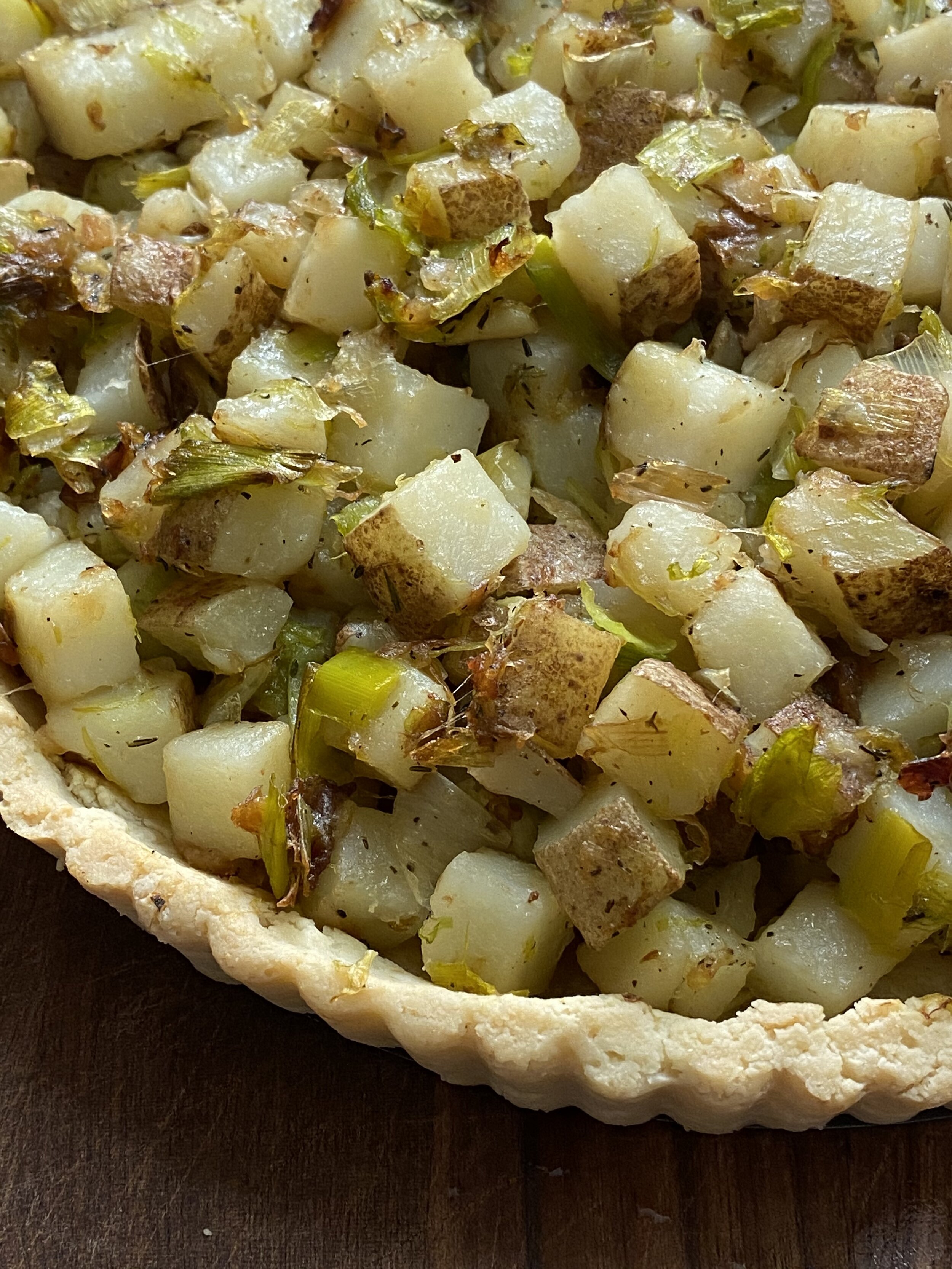
Ever wonder what to do with a leek? They are a favorite vegetable in my household for their delicate, sweet onion flavor that sweetens as its cooked. They can be found in most groceries and look like extremely large green onions. Like other members of the onion (allium) family, leeks have a number of benefits including vitamins and minerals, phytonutrients and an important type of gut-healthy, prebiotic fiber. This tart is a frequent request at my house in the fall when leeks are in season. It is inspired by the tradition of beautiful, French, vegetable tarts.
Ever wonder what to do with a leek? They are a favorite vegetable in my household for their delicate, sweet onion flavor that sweetens as its cooked. They can be found in most groceries and look like extremely large green onions. Like other members of the onion (allium) family, leeks have a number of benefits including vitamins and minerals, phytonutrients and an important type of gut-healthy, prebiotic fiber.
What is a prebiotic verse a probiotic?

The digestive tract is home to more than 500 species of bacteria. The average gut may contain about 100 trillion bacteria which rivals the number of human cells that make up our body. Collectively this mass of bacteria is called the microbiome. It is tremendously important for overall health. Our gut gives the microbiome a home and in exchange, it does a variety of things for us. The beneficial bacteria in our gut help digest food, synthesize certain vitamins, and play an important role in our immune defense. The microbiome also acts as a barrier to help our bodies filter and appropriately absorb nutrients from what we eat.
The ‘good’ bacteria in our gut providing the benefits listed above are often termed probiotics. These bacteria can be constantly replenished by eating fermented foods or taking targeted supplements. In order to thrive however, probiotics also need nourishing food. Prebiotics are fiber-rich foods that probiotics feed and grow on. As an added bonus, a compound called butyric acid is produced when the probiotic bacteria break down prebiotic foods in the colon. Butyric acid is the preferred form of fuel for the cells that line the colon and serves to acidify the gut environment, making it harder for harmful bacteria to survive.
Inulin is a type of prebiotic fiber. Leeks contain up to 16% inulin fiber making leeks a delicious, whole-food, prebiotic powerhouse. Inulin has been shown to reduce gut discomfort, help with constipation and increase the amounts of beneficial Bifidobacteria and Lactobacilli bacteria in the gut. Other rich sources of prebiotic fiber include asparagus, banana (the greener the better), dandelion greens, eggplant, endive, garlic, honey, Jerusalem artichokes (sunchokes), jicama, kefir, legumes, onions, peas, radicchio, whole grains, and yogurt. Start with small portions when newly incorporating these foods in your diet. Aim for a serving or two of prebiotic-rich foods daily to help promote a thriving microbiome. The fiber will encourage growth of good bacteria in your gut, but too much too quickly can cause discomfort.
Potato Leek Tart
This tart is a frequent request at my house in the fall when leeks are in season. It is inspired by the tradition of beautiful, French, vegetable tarts. In the summer, I substitute squash and caramelized onions for the potatoes and leeks. This is one of my daughter’s favorite meals and her birthday meal request.
Author: Erica Leazenby, MD
TIme: 75 minutes
Serves: 6
Ingredients:
For the crust:
2 cups almond flour
1/2 cup arrowroot flour
1/4 teaspoon sea salt
1/4 cup coconut oil, solid
2 Tablespoons unsweetened nut milk
1 egg, beaten
For the filling:
2 Tablespoon olive oil
2-3 leeks, white and light green parts only, cleaned* and chopped into semi-circles, about 2 cups
2 large organic Yukon gold potatoes, about 1 lb, diced into 1 cm cubes (I leave the skin on for extra fiber.)
1 Tablespoon Dijon mustard or enough to lightly coat the bottom of the crust
1/2 tsp salt and more to taste
Pepper to taste
Directions:
Preheat the oven to 350 degrees or 325 degrees if using a convection oven.
Prepare a 10-inch tart pan by lining the bottom with parchment paper and greasing the sides and bottom. Set aside. You can also use a pie pan or baking dish if you do not have a tart pan.
Make the crust: Combine the almond flour, arrowroot flour and salt in a mixing bowl and stir until well mixed. Using a pastry blender or fork, incorporate the oil into the dry ingredients. Once the oil is evenly incorporated and the dry mixture is the consistency of sand, make a small well in the dry ingredients. Add the nut milk and egg to this well. Slowly stir the wet ingredients in the well while incorporating the dry ingredients until a dough forms. Use clean hands to form the dough into a disk. The dough can be rolled immediately. If it is sticky or warm, wrap the dough well in plastic wrap or a reusable silicone bag and refrigerate for 30 minutes.
Roll the dough on parchment paper until it is about 1/4 inch thick. Using the parchment paper, gently transfer the rolled dough to the tart pan. Use your fingers to piece the dough back together if it breaks apart.
Using a fork, prick the dough several times around the bottom of the pan. Bake the tart without ingredients (blind) for 20-25 minute or until the dough is just starting to lightly brown.
While the tart is baking, prepare the filling: Heat the olive oil in a large pan over medium heat. Add the prepared leeks and sauté until they start to soften. Add 1/2 tsp of salt and the potatoes to the leeks. Sauté the potatoes until soft, but still holding their shape. Taste the mixture and add salt and pepper as needed.
Once the blind tart is lightly browned, pull it from the oven. Gently coat the bottom of the tart with a thin layer of Dijon mustard. Place the potato leek mixture in the tart and return the pan to the oven. Bake for an additional 20-30 minutes or until the tart crust is nicely browned.
Serve immediately
*Leeks are often full of dirt and silt. I recommend soaking and swirling the cut leeks in a bowl of water briefly in order to remove all the impurities.
This tart is delicious hot or cold. I like to serve it with a simple butter leaf salad or a bowl of soup. Sometimes I will add a can of white beans to the potato mixture to make the tart a more hardy main course option. We avoid dairy, but Parmesan, goat or feta cheese would be an excellent garnish if you are dairy tolerant.
(This blog post is not sponsored by any manufacturer. However, at no cost to you, Relish Health may receive a commission on purchases made through an Amazon link.)
Pantry Staple Tortilla Soup
This soup is a favorite in my house. Not only is it a kid pleaser, but it is easy on the chef. All the ingredients can be stored in the freezer or the pantry making it a go-to when the last grocery trip is a distant memory. Serve it with plenty of guacamole for a hearty and satisfying meal.

This soup is a favorite in my house. Not only is it a kid pleaser, but it is easy on the chef. All the ingredients can be stored in the freezer or the pantry making it a go-to when the last grocery trip is a distant memory. Serve it with plenty of guacamole for a hearty and satisfying meal.
Tortilla Soup
Author: Erica Leazenby, MD
Serves: 6
Time: 20 minutes
Ingredients:
1-2 Tablespoons olive oil
1 package organic frozen fajitas mix (onions and mixed bell peppers)
1 16-ounce organic jarred salsa (mild, medium or hot to fit your taste.)
3-4 cups organic stock (veggie or chicken)
1 1/2 tsp cumin
1 can organic back beans, rinsed and drained
1 tsp salt or to taste (use less if your stock contains sodium)
Pepper to taste
1 small package frozen organic sweet corn
Optional additional ingredients: cooked chicken, cilantro, lime, cheese, tortillas and avocado/guacamole
Directions:
Place 1-2 Tablespoons of olive oil in the bottom of a soup pot. Add the onion and pepper mix and gently sauté the veggies over medium heat until the peppers are soft and the onions are translucent.
Add the salsa and simmer the mixture for a few minutes until it is fragrant.
Add the stock, cumin, beans, salt and pepper. Simmer the mixture for an additional 10-15 minutes to allow the flavors to come together.
Add the corn just before serving. Adjust the salt and pepper to taste.
Serve the soup with organic tortilla chips (or grain-free cassava chips), a dollop of guacamole and sprinkle of cilantro. Enjoy!