

BLOG: NEWS, RECIPES AND ARTICLES
Sweet Sautéed Spinach
Fresh, raw greens are the most nutritious foods we can eat. Sure, salads are easy to throw together, but it’s not the only way to enjoy greens. Try sautéing spinach to add variety to your dinner plate and increase your intake of this nutrient-dense food. This recipe comes together in minutes and is ideal for using up spinach or other greens in your fridge.

Sweet Sautéed Spinach
Fresh, raw greens are the most nutritious foods we can eat as they provide great antioxidants and include many important nutrients that nourish our bodies and prevent illness. They should be included in everyone’s daily diet, but it’s sometimes hard to find variety with how we eat them. Sure, salads are easy to throw together, but it’s not the only way to enjoy greens. Try sautéing spinach to add variety to your dinner plate and increase your intake of this nutrient-dense food. In this recipe, we’ll use walnuts, raisins and garlic to add depth and flavor to the spinach. Don’t have these in your pantry? Try substituting pine nuts or slivered almonds for the nuts and cranberries or currents for the pop of sweetness. This recipe comes together in minutes and is ideal for using up spinach or other greens in your fridge.


Sweet Sautéed Spinach
Spinach is a versatile green. The tender leaf is ideal for salads but can become a delicious savory warm side dish. Pairing this green with walnuts and raisins creates a delicious sweet umami flavor that complements any hearty meal.
Author: Erica Leazenby, MD
Time: 8-10 minutes
Serves: 4
Ingredients:
1 Tablespoon extra-virgin olive oil
1 garlic clove, whole but crushed
1 pinch red pepper flakes (optional)
¼ cup raw walnuts
2 Tablespoons raisins
6 cups spinach (5 ounce package), washed and dried
Salt and pepper to taste
Directions:
1. Heat the olive oil over medium heat in a large skillet or pot. Add the garlic, red pepper flakes, walnuts and raisins. Sauté this mixture until the walnuts start to toast, the raisins plum and the garlic becomes soft, about 2-3 minutes
2. Add the spinach to the pan. Gently toss the leaves periodically until the greens are soft and wilted. Salt and pepper to taste.
3. Serve warm.
How to Roast Veggies like a Pro
Roasting is a wonderful technique for bringing out vegetables’ natural sweetness and deep flavor. Use some of the tips below to master veggies that are tender on the inside and crisp on the outside. Cook in bulk – big batches of veggies are a great base to make frittatas, quick lunches, simple salads and grain bowls throughout the week.

How to Roast Veggies like a Pro
Perfect Roasted Vegetables
Roasting is a wonderful technique for bringing out vegetables’ natural sweetness and deep flavor. Use some of the tips below to master veggies that are tender on the inside and crisp on the outside. Cook in bulk – big batches of veggies are a great base to make frittatas, quick lunches, simple salads and grain bowls throughout the week.
Tip 1: Choose a pan. When choosing a pan for roasting veggies, go for a heavy duty uncoated aluminized steel or natural aluminum rimmed baking sheet. The rim prevents vegetables from sliding off the edge yet is low enough to allow heat to circulate around the vegetables. The standard size for a half sheet-pan is 13"x18". I recommend using the largest sheet pan your oven will accommodate.
Tip 2: Cut veggies uniformly. Make sure that all the veggies are all cut to approximately the same size. This will ensure that they roast evenly and be finished at the same time. If you are roasting different kinds of vegetables on the same pan, make sure they have similar cooking times and oven temperatures. Check out this complete guide to roasting times for different vegetables. Many veggies roast well at 425-450 degrees.
Tip 3: Use about two tablespoons of oil per sheet. Lightly coat the veggies with oil to help keep the interior of the veggies moist. Too much oil can cause soggy veggies. A good rule of thumb is about 2 tablespoons of oil per baking sheet.
Tip 4: Arrange the veggies in a single layer. Crowded veggies will steam rather than get crisp and caramelized. Spread the veggies evenly across the baking sheet.
Tip 5: Season with salt and pepper prior to roasting. Adding salt before roasting is a key step and can really make a difference in the final flavor. It is hard to give an exact measurement since salting is a matter of personal preference and can vary from vegetable to vegetable. A general rule of thumb is to use around 1/2 to 3/4 teaspoon of salt per baking sheet and a few grinds of black pepper. Taste the vegetables when they have finished cooking and add more seasoning if needed.
Tip 6: Center your pans. If using only one sheet pan, the center of your oven is usually the best place to put it. When using multiple pans, always try to place them side by side if the oven allows. If you have to roast veggies on two different racks, make sure you put the top rack in the upper third of the oven and the lower rack in the bottom third of the oven. This will allow the heat and air to circulate better to help get the vegetables tender and caramelized. If the baking sheets are only an inch or two apart, the bottom vegetables will steam.
Tip 7: Rotate halfway through. Another tip when using multiple pans is to rotate the pans halfway through to ensure that all veggies are getting equal exposure to the heat and have an equal chance at getting crispy and caramelized.
Tip 8: Consider convection. If you are using multiple pans, another option is to bake on convection, a setting where the heat is circulated by a fan. This setting can produce more even heat. This can be very helpful when you are roasting multiple vegetables at once. Beware, this setting is also more drying and cooks more quickly. A good rule of thumb is to reduce the oven temperature by 25°F when using a convection setting.
Tip 9: Add flavor. Fresh herbs, such as rosemary or thyme can be a wonderful addition to the pan for a little extra flavor. Don’t forget to taste the vegetables before serving. You can always finish them with a sprinkle of flaky sea salt and more freshly ground black pepper.
Tip 10: Store the veggies in the refrigerator. Roasted vegetables can be stored in the fridge for 3 to 4 days. Roasted veggies can be frozen however, they will lose their crispy texture.
(Adapted from Kitchen Matters: More than 100 Recipes and Tips to Transform the Way You Cook and Eat--Wholesome, Nourishing, Unforgettable by Pamela Salzman)
The 10 Commandments of sleep hygiene
Good quality and restorative sleep is essential for day-to-day functioning. Read below for 10 tips needed to form healthy sleep habits.
The World Sleep Society’s 10 COMMANDMENTS OF SLEEP HYGIENE FOR ADULTS

Happy World Sleep Day.
Good quality and restorative sleep is essential for day-to-day functioning. Read below for 10 tips needed to form healthy sleep habits.
The World Sleep Society’s 10 COMMANDMENTS OF SLEEP HYGIENE FOR ADULTS
Fix a bedtime and an awakening time.
If you are in the habit of taking siestas, do not exceed 45 minutes of daytime sleep.
Avoid excessive alcohol ingestion 4 hours before bedtime and do not smoke.
Avoid caffeine 6 hours before bedtime. This includes coffee, tea and many sodas, as well as chocolate.
Avoid heavy, spicy, or sugary foods 4 hours before bedtime. A light snack before bed is acceptable.
Exercise regularly, but not right before bed.
Use comfortable bedding.
Find a comfortable temperature setting for sleeping and keep the room well ventilated.
Block out all distracting noise and eliminate as much light as possible.
Reserve the bed for sleep and sex. Don't use the bed as an office, workroom or recreation room.
Raw Chocolate Cherry Pistachio Truffles
Many foods naturally contain melatonin, one of our important sleep hormones. Research has shown that eating melatonin-rich foods could assist sleep and provide antioxidant support for our bodies. These Raw Chocolate Cherry Pistachio Truffles will not make you sleepy, but they will satisfy your sweet tooth. They are made with antioxidant and melatonin-rich tart cherries.
Many foods naturally contain melatonin, one of our important sleep hormones. Research has shown that eating melatonin-rich foods can assist sleep and provide antioxidant support for our bodies. These Raw Chocolate Cherry Pistachio Truffles will not make you sleepy, but they will satisfy your sweet tooth. They are made with antioxidant and melatonin-rich tart cherries.
Other Melatonin rich foods include:
Fruits and vegetables (tart cherries, corn, asparagus, tomatoes, pomegranate, olives, grapes, broccoli, cucumber)
Grains (rice, barley, rolled oats)
Nuts and Seeds (walnuts, peanuts, sunflower seeds, mustard seeds, flaxseed)

Raw Chocolate Cherry Pistachio Truffles
Raw Chocolate Cherry Truffles
Makes 24 small truffles
Author: Erica Leazenby, MD
Time: 20 minutes
Ingredients:
1 cup pitted Medjoor dates (about 10-11)
2/3 cup Tart dried cherries
¼ cup raw almonds; toasted
¼ cup raw pistachios, toasted
1 teaspoon vanilla
1 generous pinch salt
2 Tablespoons cocoa powder
Cocoa powder or finely chopped almonds or pistachios for garnish (optional)
Directions:
Preheat the oven to 325 degrees. Place the nuts on a baking sheet in a single layer using caution to keep them separate. Toast the nuts for 6-8 minutes or until they are lightly browned and starting to become fragrant. Note: The two nuts may be ready at different times depending on their size.
Place dates, nuts, cherries, cocoa powder, vanilla and salt in a food processor. Run the machine continuously until the mixture forms a ball (approximately 1-2 minutes.)
With damp hands roll the mixture into 1-inch diameter balls.
If desired roll each truffle in cocoa powder or chopped nuts.
Store in the refrigerator in an air tight container and enjoy.
LOSING SLEEP? FOUR CAUSES AND SOLUTIONS FOR INSOMNIA
THE 10 COMMANDMENTS OF SLEEP HYGIENE
Losing Sleep? Four Causes and Solutions for Insomnia
There is more and more research showing the importance of sleep and its impact on our health. Yet, insomnia is a common problem. In fact, as high as 30-45% of the adult population suffers from it.
The good news is that resetting your sleep is possible. Below is listed four common triggers for insomnia and ways to address it.

There is more and more research showing the importance of sleep and its impact on our health. Yet, insomnia is a common problem. In fact, as high as 30-45% of the adult population suffers from it. After we drift off each night, our brain remains in an active and dynamic state. The glymphatic system continues to be hard at work cleaning house, eliminating waste and distributing compounds such as glucose, lipids, amino acids, and neurotransmitters. Also, a complex hormonal dance occurs as part of our natural circadian rhythm which regulates memory function, appetite and metabolism, focus, and many other aspects of our health. These hormone levels are directly related to how we feel on any given day, and the lack of sleep can further complicate many other health issues and recovery.
For example, we have all felt the irritably, mood changes, poor concentration and digestion changes that can come after a rough night of sleep. String together multiple nights of poor sleep and we can have more significant health problems like obesity, diabetes, weakened immune systems, and even decreased longevity. .
The good news is that resetting your sleep is possible. Below is listed four common triggers for insomnia and ways to address it.
Low blood sugar related insomnia
Problem: If you are waking up in the middle of the night I encourage you to examine what you had for dinner. Dinners that are predominately carbs or followed by sugar in the form of dessert or alcohol can leave us on an insulin-blood sugar roller coaster. If our meals are not adequately balanced there is a risk that our blood sugar dips down too low at night. This can trigger you to wake up.
Solution: Eat a balanced dinner. Take a look at your plate. Ideally half of your plate is covered in fiber rich veggies that help slow glucose absorption from your digestive tract. Aim to include 15-20 grams of protein and a source of good fat like avocado, olive oil or nuts and seeds that help maintain steady glucose levels.
High cortisol related insomnia
Problem: Cortisol is our stress hormone. It has a natural circadian rhythm that helps us maintain energy over the course of our day. Stress, either psychologic from life events, or physiologic from illness, pain or deficiencies, can trigger our normal cortisol rhythms to be disrupted causing broken and disturbed sleep.
Solution: Restoring our natural cortisol level can be challenging until we know the root cause of the disturbance.
For emotional stress the role of stress-coping skills cannot be overemphasized. Strategies like meditation, deep breathing exercises, counseling, gratitude journals, regular exercise and appropriately addressing relationship or job concerns are helpful.
For physiologic stress it is best to work with a health care provider that can help uncover and address concerns like nutritional deficiencies, blood-sugar imbalances or chronic pain.
Sex hormone related insomnia
Problem: Many peri- and post-menopausal women can testify that sleep changes as our hormones change. Hormones that are unbalanced can trigger a change in sleep quality.
Solution: Addressing stress and optimizing digestive health go a long way toward supporting our hormones, but sometimes we still need additional help. If sleep disruption occurs during a particular part of your menstrual cycle or develops in peri-menopause, then I recommend formal hormone testing. The information gathered can help direct targeted treatment.
Melatonin related insomnia
Problem: Melatonin is one of the hormones that help regulate our sleep. Low levels of melatonin can be caused by exposure to blue light at bedtime or can occur when we have an imbalance in our serotonin levels. Serotonin is a neurotransmitter that is intimately tied to our mood and is a precursor to melatonin. Much of our serotonin is made in our gut and is a common chemical targeted by antidepressant medications.
Solution: Minimizing our exposure to blue light a few hours before bedtime supports our natural melatonin secretion. We can do this by turning off computers, TVs and phones or wearing blue-light blocking glasses. Optimizing our digestive system, the site of much of our serotonin production is also indirectly helpful for our sleep. Talk to a health professional if you struggle with depression. You may need additional support for neurotransmitters. Some people benefit from direct melatonin supplementation, which is available over the counter in pharmacies.
If you think you are suffering from one or more of these issues and would like to discuss a customized plan for improving your sleep, make an appointment with Relish Health today.
Classic Tomato Basil Soup
Comfort food at its finest, this soup is an antioxidant rush. The potato and cashews give the soup a creamy, silky texture without dairy. Grilled cheese is optional.

Classic Dairy-free Tomato Basil Soup
Comfort food at its finest, this soup is an antioxidant rush. The potato and cashews give the soup a creamy, silky texture without dairy. Grilled cheese is optional.
Tomato Basil Soup (Gluten and dairy-free)
Author: Erica Leazenby, MD
Serves: 4-6
Time: 30 minutes
Ingredients:
1-2 Tablespoons olive oil
1 large onion, diced
1 carrot, diced
1 garlic clove, cut in 3-4 pieces
2 14-oz cans organic tomatoes
1 small yellow potato, peeled and diced
2 teaspoons dried basil
4 cups stock (veggie or chicken)
1 ½ teaspoon salt
¼ teaspoon pepper
¼ cup raw cashews, soaked in hot water for 30 minutes
1 teaspoon maple syrup (to balance acidity)
Pinch red pepper flakes (optional)
Directions:
Heat the oil in a large soup pot over medium high heat. Sauté the onions, carrots, garlic and half the salt until the onions are soft and translucent about 4-5 minutes.
Add the tomatoes, basil, potatoes and pepper flakes to the mixture and stir to combine. After sautéing the tomatoes for a few minutes, add the stock and remaining salt and pepper. Simmer the mixture until the potatoes and carrots are soft about 10 minutes.
In batches, use a high-speed blender to puree the tomato soup. Add the cashews to the blender during this process.
Pour the pureed soup back into the soup pot. Season with salt, pepper and maple syrup to taste.
Serve garnished with fresh basil, parsley or crackers.
Fasting for Weight Control and Longevity
Fasting is a trendy topic in the wellness community but fasting is certainly nothing new. It has been a regular part of human society and culture for millennia. Historically, periods of feasting and fasting were associated with the natural rhythm of seasons, and alternated between times of plenty and times of scarcity. Additionally, many world religions have long recognized the importance of fasting for mental and physical purification and many people still incorporate regular periods of fasting today. Yet despite its deep root in human evolution and culture, many of us may associate fasting with deprivation and declining health. This is far from the truth; human culture has thrived for millennia with this ancient practice.

Fasting is a trendy topic in the wellness community but fasting is certainly nothing new. It has been a regular part of human society and culture for millennia. Historically, periods of feasting and fasting were associated with the natural rhythm of seasons, and alternated between times of plenty and times of scarcity. Additionally, many world religions have long recognized the importance of fasting for mental and physical purification and many people still incorporate regular periods of fasting today. Yet despite its deep root in human evolution and culture, many of us may associate fasting with deprivation and declining health. This is far from the truth; human culture has thrived for millennia with this ancient practice.
There are many benefits of adopting a lifestyle with periods of fasting. The power of fasting lies not in the mere reduction of calories, but the beneficial hormonal and biochemical changes that occur. Fasting has effects on many hormones including insulin, cortisol and hunger hormone, ghrelin. For years, epidemiological study of centenarians and groups that voluntarily eat less have strongly suggests that people could extend their average lifespan and live healthier. Unfortunately, despite the benefits, cutting calories indefinitely is challenging. Fasting offers a practical solution. There are several fasting strategies that are analogous to daily caloric restriction, such as time restricted feeding (often called intermittent fasting), alternate-day fasting or periodic prolonged fasting.
The list of fasting benefits is extensive:
Evidence shows that fasting may improve our cholesterol levels and reduce our risk of cardiovascular disease.
Fasting improves the way we metabolize glucose and how well our cells respond to insulin. This offers protection against obesity.
Fasting can improve our cognitive function and may improve mood.
Fasting significantly improves inflammatory markers in the blood and may reduce autoimmune diseases.
Fasting can activate stem cell-based rejuvenation.
Studies suggest that careful use of fasting can reverse type 2 diabetes.
Fasting can promote weight loss and decrease body fat, especially the visceral fat near our organs that is particularly risky to our health.
Some fasting regimens and time-restricted eating patterns can improve circadian rhythms that are important for body weight regulation, hormone balance, coordination and sleep.
Because over consumption of food is stressful for the body and brain, fasting from 12-40 hours can benefit overall health and even slow the aging process.
Fasting is powerful! It turns out that not only is what we eat important but also when we eat it. Excited to get started?
There are a number of fasting regimens and there really is no one best way to fast. Popular fasting strategies include:
Time-restricted eating means that a person eats all of their meals and snacks within a particular window of time each day. This timeframe can vary according to the person's preference. Typically, the eating window in time-restricted programs ranges from 6–12 hours a day.
Alternate day fasting is just as it sounds. You fast every other day. Calories are not restricted on the non-fasting days. The most common version of this diet actually involves a "modified" fasting where you can eat a limited number of calories on fasting days.
Prolonged fasting protocols vary widely, but typically involve fasts lasting longer than 24 hours occurring at intervals between several times a week to several times a year.
Where to start? It may be easier than you think.
At Relish Health I recommend that most people begin fasting by doing a 12-hour fast overnight. For example, if you eat dinner around 7pm you would then aim to eat breakfast around 7am. This process gives the body a 12-hour window of fasting that may allow some of the benefits listed above.
If a 12-hour fast goes well, you can try increasing the period to 16 hours. You can do this daily, or if you’re just getting started, I recommend 2-3 days per week. More intensive or prolonged fasting may be needed for people with specific goals like weight loss or diabetes reversal. I encourage you to talk to a professional familiar with fasting before attempting prolonged fasts. Schedule an appointment with Relish Health to discuss a plan customized to you.
For some people, just one night of fasting yields benefits like increased focus and metabolism, while others need a few weeks of 12-hour fasting windows to see results. Regardless of how long it takes, nearly all report waking up feeling physically lighter and mentally sharper.
A word of caution: while fasting has proven to be safe, there are select groups of individuals that should not fast. These include pregnant and nursing mothers, underweight individuals or people with a history of eating disorders. In each of these cases, fasting may lead to undernourishment during a time of high nutrient need or may lead to emotional or restrictive eating.
Life is meant to be celebrated. Feasting with friends and family is an important part of a happy and fulfilled life. Adding periods of fasting to your routine can give a deeper understanding of the feast and celebrations while honoring your health. Balance your feasting with periods of fasting to maintain a healthy rhythm of life.
Red Velvet Waffles
We love waffles in our house. They are a treat we use to celebrate weekends and holidays. With Valentine’s Day approaching I created this red waffle recipe as a fun way for my kids to start their day. I love all red velvet baked goods, but I work very hard to make sure that all the ingredients in my kitchen come from real foods rather than artificially produced colors made in a lab. Cue the beets!

Red Velvet Gluten-free Waffles
We love waffles in our house. They are a treat we use to celebrate weekends and holidays. With Valentine’s Day approaching I created this red waffle recipe as a fun way for my kids to start their day. I love all red velvet baked goods, but I work very hard to make sure that all the ingredients in my kitchen come from real foods rather than artificially produced colors made in a lab. Cue the beets!
Lucky for us, the brilliant deep red color of beets makes a beautiful food coloring. It has the added benefit of boosting the heart-healthy antioxidants in our waffles as well. The red color of beets comes from the presence of pH-sensitive betalain pigments. While you can use roasted beets or beet powder in this recipe, the raw beets give the best red color. If you use cooked or processed beets your waffle will still be delicious and nutritious, but may end up more brown in color.
These waffles are also grain-free. The mixture of almond flour and cassava flour keeps the waffles light and fluffy. Both of these ingredients can be found easily at places like Whole Foods, Thrive Market or Amazon.
Red Velvet Waffles (Grain and Dairy Free)
Author: Erica Leazenby
Time: 20 Minutes
Makes 4 square waffles:
Ingredients:
1/2 cup almond flour
1/2 cup cassava flour
1 medium raw beet, peeled and quartered
2 eggs
1/4 cup maple syrup
1-3 Tablespoons nut milk (the amount will vary depending on the size of your eggs and beet)
1 Tablespoon coco powder
1/4 teaspoon baking powder
Pinch pink Himalayan salt
Directions:
Pre-heat the waffle iron to medium-high heat per the manufacturer’s instructions. Grease the iron if needed.
Combine all the ingredients in a high speed blender. Blend the mixture until the batter is smooth. Add the nut milk slowly until the batter is a pourable consistency,
Pour the batter into the heated waffle iron using enough batter to cover the surface of the iron. Bake the waffles for several minutes or until the waffles release easily from the iron and are at desired crispness.
For extra decadence, try this vegan cream cheese frosting:
1/4 cup vegan cream cheese (I like Kite Hill brand.)
1 Tablespoon maple syrup
1 teaspoon vanilla
Combine all ingredients until smooth. Serve immediately.
Reducing Exposures to Harmful Chemicals
Part of optimizing our health is to minimize our exposure to many chemicals. While exposures to potentially harmful chemicals on a daily basis may be unavoidable, there are actions we can take to reduce our exposure. Below is a list of simple strategies compiled by the Institute for Functional Medicine.

Part of optimizing our health is to minimize our exposure to many chemicals. The majority of the 85,000 chemicals registered for production under the U.S. Toxic Substances Control Act (TSCA) were grandfathered in with little or no health and safety testing.(1) While exposures to potentially harmful chemicals on a daily basis may be unavoidable, there are actions we can take to reduce our exposure. Medical conditions linked to toxic chemicals include obesity, metabolic syndrome, diabetes, cardiovascular disease, Alzheimer’s and Parkinson’s disease, cancers, and multi-system complaints such as fibromyalgia and multiple chemical sensitivities.(2) Below is a list of simple strategies compiled by the Institute for Functional Medicine that can help reduce our chemical exposures.
Ten categories of toxic chemicals are known to be especially prevalent, persistent, and detrimental to human and environmental health:
Heavy metals: lead (Pb), mercury (Hg), arsenic (As), cadmium (Cd), aluminum (Al)
Polycyclic aromatic hydrocarbons (PAHs)
Plastics (phthalates)
Phenols, particularly bisphenol A (BPA)
Organochloride pesticides (OCs)
Organophosphate pesticides (OPs)
Polychlorinated dibenzo-dioxin & furan (dioxins)
Polychlorinated biphenyls (PCBs)
Polybrominated diphenyl ethers (PBDEs)
Polyfluorinated compounds (PFCs)
Reducing Dietary Exposures
Choose organic and low-fat or no-fat animal products such as dairy, eggs, meats (PAHs, OCs, OPs, dioxins, PCBs, PBDEs).
Choose cooking methods that are low-char and that allow animal fats to drip away, such as steaming (PAHs, OCs, OPs, dioxins, PCBs, PBDEs).
Consult local wildlife agencies before eating freshwater fish (PCBs, dioxins, PBDEs).
Never eat farmed salmon (PCBs), avoid eating larger carnivorous fish (Hg, PBDEs, PCBs) and use the Environmental Working Group (EWG) Good Seafood Guide(3) or the Monterey Bay Aquarium Seafood Watch publication.
Use glass, ceramic, or stainless-steel containers for heating and storing hot food (phthalates).
Avoid plastic water bottles, travel mugs and bladder-style hydration reservoirs and do not wash plastic food or beverage containers under high heat (phthalates).
Avoid using vinyl cling wrap and only buy canned foods that are BPA-free (BPA).
Avoid high-fructose corn syrup and rice syrup (As) and processed foods containing BHT, BHA, benzoate, sulfites, and artificial colorings and sweeteners.
Choose local, seasonal, and organic produce whenever possible. Wash all fruits and vegetables using mild additive-free soap and clean water (OCs, OPs).
Choose organic versions of the EWG “Dirty Dozen” list of high-pesticide produce (OCs, OPs)(4).
Reducing Home & Office Exposures
Consult the EWG Drinking Water Database (5) and consider testing your water supply. Use a NSF-certified water filter if indicated (Pb,As, Cd, trihalomethane, atrazine, benzene, etc.).
Clear water that has been standing overnight out of plumbing lines in your home or office by flushing the toilet or letting the tap run for several minutes before pouring out tap water for consumption (Pb, other metals).
Filter shower water (chlorine, OCs), and avoid using new vinyl shower curtains (phthalates).
Filter air in your bedroom and office using filters, ionizers or plants (6) (airborne toxins).
Cover or replace older foam furniture and consider removing old carpets and padding (PBDEs).
Remove shoes you’ve worn outside when entering your home (OPs).
Clean up broken thermometers and fluorescent bulbs with gentle sweeping and wiping up with gloves and disposable materials. Do not vacuum (Hg).
Choose fragrance- and solvent-free detergents and cleaning agents (phthalates) and consult the EWG Guide to Healthy Cleaning.(7)
Avoid non-stick pots and pans and do not buy stain-resistant clothing, carpet or furniture (PCBs).
Avoid products made with particleboard or medium-density fiberboard (formaldehyde, solvents).
Remove or paint over older pressure-treated wood (As). Use low- or no-VOC (volatile organic compound) paints, glues, sealants, etc. in new construction (solvents).(8)
With new construction, consider “baking” out noxious fumes by vacating (people, plants and animals) and setting the house heat at maximum for 24-hour cycles followed by ventilation and rechecking for fumes (solvents and other toxic chemicals).
Reducing Health Care & Personal Care Exposures
For general wellness stay well hydrated and consume alcohol in moderation, if at all.
Avoid acetaminophen for pain relief (especially after alcohol), and avoid taking multiple over-the-counter and prescription drugs simultaneously.
Stop smoking and avoid second-hand smoke (Cd, PAHs).
Inquire about preservatives in flu shots and vaccines and chose ones without Thimerisol (Hg).
Choose unscented, fragrance-free personal care products (phalates), avoid antiperspirants and antacids (Al), and use the EWG Cosmetics Database.(9)
Choose composite over metallic dental fillings and be sure that your dentist follows all of the recommended IAOMT 10 procedures when removing silver fillings (Hg).
Avoid having two different metals (e.g., mercury and gold) in your mouth; this can create low-voltage electric currents, which accelerates metal degradation.
Reducing Work & Hobby Exposures
Identify your exposures by consulting MSDS data sheets for all chemicals you use (various toxins).
Wear and maintain all appropriate personal protective equipment and keep any work clothes that may have toxins on them separate from your home (various toxins).
References
U.S. Environmental Protection Agency: http://www.epa.gov/oppt/existingchemicals/pubs/tscainventory/basic.html
Sears ME, Genuis SJ. J Environ Public Health. 2012;2012:356798 http://dx.doi.org/10.1155/2012/356798
Environmental Working Group: www.ewg.org/research/ewgs-good-seafood-guide
Environmental Working Group: http://www.ewg.org/foodnews/list.php
Environmental Working Group: http://www.ewg.org/tap-water/
Claudio L. Environ Health Perspect. 2011 Oct; 119(10): a426–a427. http://ehp.niehs.nih.gov/119-a426/
Environmental Working Group: http://www.ewg.org/guides/cleaners
U.S. Green Building Counsil’s Green Home Guide: http://greenhomeguide.com/
Environmental Working Group: http://www.ewg.org/skindeep/
International Academy of Oral Medicine and Toxicology: http://iaomt.org/safe-removal-amalgam-fillings/
Detox Demystified
Detoxification is something our bodies do naturally to neutralize, transform and get rid of materials or toxins. Toxins may include chemicals we encounter during the day from our external environment, as well as chemicals we make internally, like estrogen. For many of us, the modern lifestyle leaves us overloaded by external toxins and under-supported nutritionally because our diets are not balanced enough to keep our natural detox processes robust. Fortunately, you can take simple actions to improve and support your body’s detoxification and elimination systems.

With the start of a new year, many people are setting wellness goals and planning to pursue healthier lifestyles and recover from unhealthy holiday eating habits. There is a lot of chatter these days about detox programs and cleanses, and a plethora of products marketed as such. But what exactly IS detoxification?
Detoxification is something our bodies do naturally to neutralize, transform and get rid of materials or toxins. Toxins may include chemicals we encounter during the day from our external environment, as well as chemicals we make internally, like estrogen. Your body’s natural detoxification process is different than the term “detox” as it is popularly used, and it is happening every single day. The body has six organs of detoxification. Although the bulk of the work is done by the liver and the intestinal tract, the kidneys, lungs, lymphatic system and skin are all involved in this complex system.
The purpose of a detoxification program is primarily to support these organs of elimination so that toxins present in the body can be metabolized and excreted. In other words, the goal is to improve and optimize the function of your body’s own systems. For many of us, the modern lifestyle leaves us overloaded by external toxins and under-supported nutritionally because our diets are not balanced enough to keep our natural detox processes robust. Fortunately, you can take simple actions to improve and support your body’s detoxification and elimination systems.
Try these strategies daily:
Eat your veggies. We need hundreds of enzymes, vitamins and other molecules to help rid the body of unwanted waste products and chemicals. The antioxidants, vitamins and minerals our liver and other organs need for proper functioning are conveniently packaged in the form of spinach, kale, broccoli, garlic, Brussels sprouts, cauliflower, etc. Aim to fill half of your plate with vegetables.
Optimize your digestion. Many of the chemicals our body needs to eliminate are excreted in our stool. Constipation means that these chemicals are hanging around longer than needed and can be reabsorbed from inside our gut. Eating plenty of veggies (AKA fiber) is a solid strategy to improve gut motility. If constipation is still a struggle after increasing your fiber intake, talk to Relish Health to identify the root cause and determine additional strategies for relief.
Drink plenty of water. The more water you drink throughout the day, the more you are supporting your liver and kidneys. The Institute for Medicine recommends that men drink a minimum of about 13 cups of water a day and that women drink about 9 cups. Detoxing your body may be as simple as upping your water intake.
Sweat it out. Our bodies are programmed to detoxify themselves naturally through the liver, gut and kidneys, but when those organs are feeling overloaded, they turn to the skin for help. Many chemicals can also be excreted through our pores. Regular sweating with proper hydration can assist the detoxification process.
Take a bath with epsom salts. Your skin is your largest detox organ. Warm water from a bath can stimulate circulation, which improves blood flow and promotes cellular renewal. Epsom salts contain magnesium and additional minerals that aid in your body’s detoxification processes.
As you can see, supporting your body’s natural detoxification process need not be complicated or expensive. With attention to your diet and a bit of additional intentionality, you can help your body recover from the holidays and start the new year off well.
Tips to Make Your Holiday Cookies More Healthy
The perfect cookie is baked with minimally-processed ingredients, yet has crispy, lightly golden edges with rich flavor and just the right amount of sweetness. Here are some easy swaps you can do at home this holiday season to bring a bit more wholesomeness to your favorite cookie recipes.

My first memories in the kitchen involve making holiday cookies to share with friends and family. As a functional medicine physician and chef, I’ve learned a few tips to make my holiday baking traditions more health supportive. For me, the perfect cookie is baked with minimally-processed ingredients, yet has crispy, lightly golden edges with rich flavor and just the right amount of sweetness. Here are some easy substitutions you can do at home this holiday season to bring a bit more nutrition to your favorite cookie recipes:
Start with the best ingredients. Of course, the quality of the finished product is only as good as the ingredients you start with. Aim to use fresh organic ingredients when possible. The holiday baking season is a great time to take inventory of the products in your pantry. Check their expiration dates and check that dried spices have not become rancid with age. Try swapping sea salt for iodized table salt and use aluminum-free baking soda. Minimize artificial ingredients that may be found in imitation extracts and food colorings.
Replace and reduce sugar. Cookies are a treat. As a general rule, minimizing sugar in our daily routine is important for our health, but life is meant to be celebrated especially at the holidays. There are ways to cut back on sugar yet still have a tasty show-stopping cookie. Instead of icing your sugar cookies, sprinkle with nuts, orange zest, dried flowers (I love crushed rose petals), seeds or drizzle with dark chocolate. Sugar adds moisture to cookies, but you can often decrease the sugar in a recipe (up to about 25%) with little compromise. Experiment with your favorite cookie recipe. You can add in a splash of your favorite extract like vanilla, almond or lemon for a sweet confectionary flavor.
Upgrade your egg. Using a pasture-raised egg offers a slight nutritional advantage over a conventional egg. If you wish to make vegan cookies, replace each egg with 1/4 cup unsweetened applesauce, 1/4 mashed banana or with a flax egg. Applesauce works well in cakey cookies like snickerdoodles. For chewy recipes try the flax egg. For a flax egg mix 1 tablespoon ground flaxseed with 3 tablespoons warm water for each egg (up to two in a recipe). Let the mixture sit until cool before adding to your wet ingredients.
Add some fiber. Change up your white flour for whole-wheat pastry flour as a cup-for-cup substitution. Whole wheat flour is made from the whole grain, so it contains more fiber and minerals. Whole wheat bread flour has a high protein content and will yield a tough finished cookie. Using whole-wheat flour in place of all-purpose flour gives your cookies about four times the amount of fiber in every batch.
Mind the gluten. Gluten sensitivity is increasingly common. Luckily there are numerous alternative baking mixes available. I love to bake with almond flour and enjoy recipes from the Sweet Laurel Cookbook. You can also make your own alternative flour mix. Here is a recipe from my culinary alma mater, The Natural Gourmet Institute: try mixing 2 cups white rice flour with 2/3 cup potato starch and 1/3 cup tapioca starch. Treat this blend like it is all-purpose flour. You can also store it in an air-tight container.
Mind the quality of your fats. Steer clear of ingredients that contain partially hydrogenated oil (or trans fats), like margarine and vegetable shortening. If you use butter, aim to buy organic cultured butter, which contains probiotics and no antibiotics. If you have a dairy sensitivity or wish to make vegan cookies, consider swapping butter or margarine for coconut oil. For every stick (1/2 cup) of butter, use 5 tablespoons coconut oil plus 3 tablespoons coconut cream. Use this for recipes that require creaming the butter and sugar together, like sugar cookies and shortbread.
Chocolate is your friend. There is always a bit of trial and error when experimenting with recipes. If your cookies are good but a bit less than perfect, try dipping or drizzling them with melted chocolate. When it comes to chocolate, the darker the better. Dark chocolate is loaded with antioxidants.
My House Sauce: Italian Salsa Verde
What separates a great meal from a truly outstanding meal is an amazing sauce. They are often the finishing touch that adds balance and cohesiveness to the meal. As a chef, I want a sauce with every meal, but as a working mom sauces are rarely a weeknight reality. This sauce, however, has become my favorite go-to. It is incredible versatile and easy enough to make on a busy night.

Italian Salsa Verde
What separates a great meal from a truly outstanding meal is an amazing sauce. It is often the finishing touch that adds balance and cohesiveness to the meal. As a chef, I want a sauce with every meal, but as a working mom sauces are rarely a weeknight reality. This sauce, however, has become my favorite go-to. It is incredibly versatile and easy enough to make on a busy night. It brings instant brightness and umami flavor to everything from roasted veggies and potatoes to chicken or beef. I’ve served this sauce at dinner parties and watched people go back for second and third helpings! This year, I served this sauce at Thanksgiving as an alternative to gravy.
From a health perspective this sauce is loaded with nutritional benefits. Parsley is rich in antioxidants and vitamin K. It’s benefits far exceed a garnish. The anchovies provide a hint of extra omega-3 fat while the olive oil gives us heart-healthy omega-9 fats.
Working mom, chef tip: This Italian Salsa Verde freezes beautifully. Make it in a large batch and freeze it in 1/4 cup increments so that you can enjoy it regularly. Simply allow the sauce to come to room temperature before using.
Italian Salsa Verde
Author: Erica Leazenby, MD
Makes: about 2 cups
Time: 10 minutes
Ingredients:
1 bunch of flat-leaf parsley, roughly chopped (about 2 cups packed)
2/3-1 cup extra virgin olive oil
1/4 cup capers, drained
1 tsp anchovy paste
1 Tbsp white wine vinegar plus more to taste
1 Tbsp lemon juice plus more to taste
2 cloves garlic, minced
zest from 1 lemon
Salt and freshly ground black pepper to taste
Directions:
Place the parsley, capers, anchovies, vinegar, lemon and garlic in a food processor. Pulse the ingredients until they are well chopped. Scrape the sides of the bowl down as needed.
While the blade is running, slowly add the olive oil until the desired sauce consistency is reached.
Taste the sauce and season as needed with salt, pepper and additional vinegar or lemon juice. Serve at room temperature.
Store the sauce in an airtight container in the refrigerator for up to one week. Allow the sauce to come to room temperature before use.
Winter is Coming Fire Cider Recipe
Fire cider is a spicy, immune-boosting infused vinegar that has been revered for generations as a simple and effective remedy to relieve sinus congestion, ward off colds and flus, aid digestion, and increase circulation. The hot, pungent, sour, and sweet vinegar is certainly not for the faint of heart, but once embraced, quickly wins over even the most reluctant palate. Read the more for the recipe.

Immune Boosting Fire Cider
Fire cider is a spicy, immune-boosting infused vinegar that has been revered for generations as a simple and effective remedy to relieve sinus congestion, ward off colds and flus, aid digestion, and increase circulation. The hot, pungent, sour, and sweet vinegar is certainly not for the faint of heart, but once embraced, quickly wins over even the most reluctant palate. Fire cider can be sipped neat on its own, mixed with other beverages, or used in cooking. It is typically used in small doses, so a batch of the recipe below would be enough to get most families through the winter season.
Fire Cider
Author: Erica Leazenby, MD (adapted from Rosemary Gladstar’s recipe in Herbal Healing for Women)
Serves: Makes about 4 cups
Time: 30 minutes, plus 30 days
Ingredients:
1 cup coarsely grated peeled horseradish (about 4 ounces)
1 small onion, coarsely chopped
8 large garlic cloves, smashed
1/2 cup peeled and coarsely grated or chopped ginger (about 3 ounces)
1 tablespoon ground turmeric
1 teaspoon black peppercorns
4 rosemary sprigs
1 whole clove
1 jalapeno pepper, halved
1 lemon, quartered
1 orange, quartered
4 cups unfiltered, unpasteurized apple cider vinegar
¼ cup (or more) honey **NOTE: the honey is added 30 days later, AFTER the mixture is filtered.
Directions:
Place all the ingredients (except the honey) in a large airtight glass container. Add enough vinegar to ensure that the ingredients are fully submerged in the jar.
Place the jar in a dark corner of your kitchen or pantry. Periodically give the jar a swirl over the course of the month.
After 30 days, strain the vinegar through a cheesecloth lined colander or nut milk bag. Using disposable gloves, extract as much liquid from the solids as possible.
Add the honey to the filtered vinegar. Mix well and add additional honey to taste.
Transfer the liquid to a few smaller clean jars for storage.
Suggested Uses
Salad dressings and marinades- Use this vinegar in place of apple cider vinegar or red wine vinegar in your salad dressings or marinades for a hint of heat. This would be great in chimichurri.
Mocktails- Add a splash of this vinegar to a mixture of your favorite fruit juice and seltzer for an instant shrub.
Hot tea- Add about 1 Tablespoon of fire cider to a mug of hot water, along with a squeeze of fresh lemon juice and a little honey to sweeten… like a non-alcoholic hot toddy!
Maple Fire Vinaigrette
The sweet heat flavor of this vinaigrette partners well with hearty leafy greens like kale. Try making a salad with kale, roasted butternut squash, toasted pumpkin seeds and dried cherries.
Recipe Author: Erica Leazenby, MD
Serves: Makes about 1/3 cups
Time: 5 minutes
Ingredients:
1 Tablespoon maple syrup
1 Tablespoon apple cider vinegar
1 Tablespoon fire cider
2 Tablespoon olive oil
Pinch of salt
½ teaspoon Dijon mustard
Directions:
Combine all ingredients in a small glass jar with a lid. Shake well until ingredients are well combined.
Toss with your favorite greens and serve.
Relish Health Gift Guide 2018
Happy Holidays from our home to yours! The season of gift-giving is officially here, and few things are sweeter to me than finding the perfect gifts for loved ones - gifts that make them feel known and loved. I’ve pulled together some of my favorite health-enhancing gift ideas, and hope this guide gives inspiration, relieves shopping frenzy, and enables you and your loved ones to savor the season.
Happy Holidays from our home to yours! The season of gift-giving is officially here, and few things are sweeter to me than finding the perfect gifts for loved ones - gifts that make them feel known and loved. I’ve pulled together some of my favorite health-enhancing gift ideas, and hope this guide gives inspiration, relieves shopping frenzy, and enables you and your loved ones to savor the season.

For the Baker:
This gorgeous cookbook from the owners of Sweet Laurel Bakery is a winner. The desserts are equally beautiful and delicious. And since they are also grain-free, dairy-free and refined sugar-free, these recipes satisfy every sweet tooth, regardless of food sensitivities. The chocolate cake is amazing!

For the Chef:
Bold and adventurous flavor combinations are Ottolenghi’s specialty. His plant-forward cookbooks inspire restaurant chefs and home cooks alike. This book would be a welcome addition to any cook’s library.

For the Foodie:
Whether you are looking for a culinary high note for your own holiday table or a gift for your healthy foodie friend, pomegranate molasses is a great choice. This Middle Eastern staple has a unique flavor that is both tart and sweet. For a pop of culinary brightness, it can be added to salad dressing or drizzled on desserts or roasted veggies (think cauliflower or eggplant).

For the Coffee Connoisseur:
For the health-conscious coffee connoisseur, consider introducing them to mushroom coffee. Mushrooms’ earthy flavor complements roasted coffee beans, providing a smooth flavor and antioxidants. It’s an excellent way to fortify your morning boost! The hot chocolate flavor is delicious.

For the Tech Lovers and Night Owls:
Research shows that blue light exposure before bedtime can compromise sleep quality. Putting devices away 2-3 hours before bed is hard for many to swallow. Luckily there is an alternative. A study showed that volunteers who wore blue light-blocking glasses for the three hours before bedtime reported better sleep quality and mood than those who didn’t. Great stocking stuffer!

For the Spa Lover:
Dry skin brushing has a number of health benefits and is simple to do. Creating a ritual of regularly brushing your skin is a great way to exfoliate, stimulate your lymphatic system, and support a natural (and beautifying) detox.

For the Host and Hostess:
Stock up for party season! Nearly every host loves to receive a beautiful bottle of wine. Dry Farm Wines curates wines that are natural, organically-grown, free of chemicals and additives, sugar-free, low in sulfites, mold-free, and sustainably grown. Every curated wine is lab tested by an independent certified enologist so you can be assured you are getting a clean and delicious product.
Click here to claim a bottle for a penny.
(This blog post is not sponsored by any manufacturer. However, at no cost to you, Relish Health may receive a commission on purchases made through an Amazon link.)
Boost your Immune System with Elderberry Syrup
Elderberries are a rich source of antioxidants and vitamin C. They taste tart, much like a cranberry, and are often made into jam, jelly, and tea. Elderberries, however, are also well known for their medicinal properties. They have long been used as an herbal remedy, and research is now supporting its effective use. This recipe is both delicious and health supportive.

Immune Boosting Elderberry Syrup
Elderberries are the fruit of the elderberry shrub. Like other berries, the fruit is a rich source of antioxidants and vitamin C. Elderberries taste tart, much like a cranberry, and are often made into jam, jelly, and tea. Elderberries, however, are also well known for their medicinal properties. They have long been used as an herbal remedy, and research is now supporting its effective use.
In a 2016 study of 312 people traveling from Australia to an overseas destination (for a minimum of seven hours), scientists found that those who used elderberry extract from ten days before flying to five days after arriving at their destination had a shorter cold duration and less severe symptoms than those who took a placebo.
In a laboratory study published in Bioscience, Biotechnology, and Biochemistry, concentrated elderberry juice helped to defend against influenza A virus infection and stimulate the body's immune response.
In a study published in BMC Complementary and Alternative Medicine of 60 people suffering from flu-like symptoms, scientists found that those who used elderberry extract for five days (taking 15 mL in syrup form four times daily) saw their symptoms subside four days earlier than study members assigned to a placebo.
Aside from these medicinal uses, elderberry syrup is a delicious treat. Try adding a tablespoon to sparkling water or drizzling the syrup on ice cream.
For the DIY-er and home cooks, elderberry syrup can be easily made at home. A note of caution: certain parts of the plant (such as the unripe berries, leaves, root, bark, and stems) have been found to be poisonous due to the presence of cyanogenic glycosides. Luckily, this poison is deactivated during the cooking process. Failing to adequately cook your berries may result in nausea and vomiting.
Immune Boosting Elderberry Syrup
Author: Erica Leazenby, MD; Adapted from Franklin Institute of Wellness
100 g dried elderberries (about 1 cup)
3 cups cold distilled water
1 1/2 cup thick, liquid sweetener such as brown rice syrup or honey
Optional: 1 organic cinnamon stick, 1 tsp grated or dried ginger root or juice of 1 lemon
Carefully look over your dried berries and remove any stems that may be present. Combine the berries and water in a cold saucepot. If time permits, allow the berries to soak until they are soft, about 30–60 minutes. If using, add the cinnamon and ginger to the soaked berries. After soaking, place the saucepan over medium heat and gradually bring the contents to a boil. Once a rolling boil has been reached, reduce heat to a simmer and continue to cook for 30-45 minutes, stirring frequently. Do not cover the pot during this phase. This process cannot be shortened as it is crucial for eliminating the cyanide-like toxin in the seeds. Remove from heat and cool to room temperature.
Strain the concentrated extract and measure the liquid. It should be approximately 2 cups. (If you have less than 2 cups, water can be added to reach 2 cups. If you have more than two cups, continue boiling the mixture down. It is crucial to have a 2-cup measurement at this state to ensure accurate dosing.) Combine with the cup and a half of honey or brown rice syrup. If using, add the juice of a fresh lemon at this time. Bring the mixture back to a boil for 10-30 minutes until it starts to thicken. Allow to cool slightly and pour into prepared bottles. Store in the refrigerator.
Dosing for flu treatment: Adults take one tablespoon (15 mL) of syrup four times daily for 3-5 days. Kids take one tablespoon (15 ml) of syrup twice daily for 3-5 days. Do not give honey containing products to children under 1 year of age.
Franklin Institute of Wellness. (2018). The Proper Way to Make Elderberry Syrup. Retrieved from https://franklininstituteofwellness.com/proper-elderberry-syrup/ on September 28, 2018.
Preventing colds is easier than you think
Fall often marks the start of cold and flu season. The weather is changing, the kids are back in school sharing germs, and life continues to move at a fast and often stressed pace. Colds often feel an inevitable part of the winter months, but with a little attention and support to our immune system we can prevent sick days, sleepless nights and chapped noses.
Staying healthy is all about giving our immune system the support it needs to do its job. Try some of these tips.

Fall often marks the start of cold and flu season. The weather is changing, the kids are back in school sharing germs, and life continues to move at a fast and often stressed pace. Colds often feel an inevitable part of the winter months, but with a little attention and support to our immune system we can prevent sick days, sleepless nights and chapped noses.
Staying healthy is all about giving our immune system the support it needs to do its job. Try some of these tips:
Optimize your diet. Your body needs a ready source of antioxidants, vitamins and minerals to function well. To ensure a nutrient dense diet, aim to eat two vegetables and one fruit at each meal. Eliminating foods that can trigger inflammation, especially excessive sugar and dairy, is also helpful.
Get your beauty rest. Sleep is a restorative process that is important for proper functioning of the immune system. Studies have shown that sleep deprivation weakens immune health, making you more susceptible to colds and other bacterial infections. The goal is to aim for 7-8 hours of sleep a night.
Manage your stress. Stress hormones, especially if chronic, can suppress the effectiveness of the immune system. A little self-care with meditation, exercise and mindfulness can go a long way.
Hygiene is key. Wash your hands regularly and avoid touching your face. These are simple and effective stratagies to minimize your exposure to potential cold causing germs.
Supplement wisely. If you happen to be one of those people that gets ill easily despite a healthy lifestyle, targeted supplements may be helpful. The following immune-boosters have quality evidence to support their use.
Vitamin D can help support the immune system and is important for overall health. The dosing of vitamin D varies widely among individuals. Adults can safely take 1000-2000 IU daily. Only use a higher dose if the results of your blood-test suggests a need. Talk to Relish Health about vitamin D testing.
Zinc is an immune boosting mineral found in oysters, beef, and lamb, and to a lesser degree in pumpkin seeds, cashews, and beans. Taken daily for a few weeks to a few months can help reduce the likelihood of viral infections. The prevention dose of zinc for adults is 10-15 mg. Note: Zinc can be nauseating for some people.
Studies have shown that probiotics improve the body's immune response. Supplementation can reduce frequency and duration of colds. Look for a brand that contains lactobacillus with or without bifidobacterial. Check out the brands listed in the Relish Health fullscripts formulary for examples.
Elderberry extract can significantly lower duration of cold and flu symptoms while lowering the need for medication. Follow the dosing recommendation of the particular type or preparation being used. This herb should be started at the earliest signs of illness.
Is a Low FODMAP diet right for you?
Our gut is the unsung hero of our health and well-being. This hard-working organ is responsible for not only nourishing our body, but also housing much of our immune system and playing a significant role in our brain and mood health. When this organ is impaired, our health can suffer.
A common approach for treating IBS is the Low FODMAP diet. It is well documented and used throughout the world for IBS and other GI disorders (2).

Our gut is the unsung hero of our health and well-being. This hard-working organ is responsible for not only nourishing our body, but also housing much of our immune system and playing a significant role in our brain and mood health. When this organ is impaired, our health can suffer. Without a well-functioning digestive system, the body struggles to pass along nutrients to our cells. Unfortunately, having an unhappy gut is very common. It is estimated that approximately 10-20% of adults in Western countries have irritable bowel symptoms (IBS) (1). These include gas, bloating, diarrhea, cramping and constipation— symptoms that indicate our digestion is less than optimal. Fortunately, eating the right food can reverse and improve these symptoms. By healing your gut you are on the path of healing the rest of your body.
A common approach for treating IBS is the Low FODMAP diet. This diet was initially developed by Monash University in Melbourne, Australia. It is well documented and used throughout the world for IBS and other GI disorders (2). FODMAP stands for Fermented Oligosaccharides, Dissaccarides, Monosaccharides and Polyols. This is a group of small and medium-chain carbohydrates and sugar alcohols found either naturally or artificially in food. Examples of these include: wheat (oligosaccharide), dairy (dissaccharide), high fructose corn syrup (monosaccharide) and sorbitol (polyol). For a more complete list, please see this FODMAP guide.
These FODMAP carbohydrates can ferment in the gut and cause the gas, bloating and distention symptoms that are characteristic of IBS. Additionally, these carbohydrates are highly osmotic and pull water into the digestive tract changing the way your gut moves. As a result IBS sufferers may experience diarrhea or constipation. To initiate the diet, you remove all FODMAPs for a short period of time. Eventually the FODMAP foods are reintroduced in a slow and methodic manner to keep GI symptoms at bay.
Do you wonder if a Low FODMAP diet is right for you? Generally speaking, nearly all healing starts with your diet, lifestyle changes and restoring any deficient nutrients. However, for any treatment its important to evaluate your total health, risk factors, mood and emotions. At Relish Health Dr. Erica Leazenby will discuss your individual digestive symptoms and help determine the best approach for you.
Ann Gastroenterol. 2015 Apr-Jun; 28(2): 158–159.
Gastroenterology. 2014 Jan;146(1):67-75.e5. doi: 10.1053/j.gastro.2013.09.046. Epub 2013 Sep 25.
Mediterranean Diet For Everyone
There are so many different specialty diets these days: Keto, Paleo, Vegan, FODMAP, and the list goes on. I've prescribed all of these diets to patients for different reasons over the years, as everyone has individual needs at times. After 20 years of medical practice, including 3 years focused on food and nutrition, I have come to the conclusion that there is no one perfect diet. That being said, I love to teach and preach about the Mediterranean diet because it is as close to a "one size fits-all" plan that works.

There are so many different specialty diets these days: Keto, Paleo, Vegan, FODMAP, and the list goes on. I've prescribed all of these diets to patients for different reasons over the years, as everyone has individual needs at times. After 20 years of medical practice, including 3 years focused on food and nutrition, I have come to the conclusion that there is no one perfect diet. That being said, I love to teach and preach about the Mediterranean diet because it is as close to a "one size fits-all" plan that works.
While you can Google a list of specific foods and guidelines for the Mediterranean diet, it doesn't really work that way. Rather, it is really a formula for eating well rather than a specific cuisine. The basic tenants of the eating pattern are simple: focus on eating whole (unprocessed) food that is rich in fruits and veggies, whole grains, nuts, legumes, spices, and extra virgin olive oil. Do this while keeping poultry, fish, dairy, red meat and wine to modest amounts. No matter your dietary allegience, it is hard to argue against a diet that advocates for eating real food.
The research behind this formula is extensive. Thousands of studies representing millions of lives consistently shows that eating like this helps maintain weight, keeps cholesterol in check and blood sugar and blood pressure low. Also, the risk of cancer, depression and Alzheimer's disease is also lower. All these benefits are gained simply by paying attention to what goes in your mouth.
Whether you consider yourself a vegan, a paleo die-hard or follower of a specialty diet, applying a Mediterranean diet philosophy to your approach can benefit your health.
Keep the following in mind*:
1. Eat lots of vegetables. There are so many choices! From a simple plate of sliced fresh tomatoes drizzled with olive oil and flaky sea salt, to garlicky greens, fragrant soups and stews, healthy pizzas, or oven-roasted medleys. Vegetables are vitally important to the fresh tastes and health benefits of the Mediterranean diet.
2. Change the way you think about meat. If you eat meat, just do it in smaller amounts. For example, add small strips of sirloin to a vegetable sauté, or garnish a dish of lentils with diced prosciutto. As a main course, have smaller portions (3-4 ounces) of chicken or pastured meat. Think of meat as an accompaniment instead of the center of the plate.
3. Consider eating seafood twice a week. Fish such as salmon, trout and mackeral are rich in heart-healthy omega-3 fatty acids. When you crave more variety add anchovies, sardines and herring. Shellfish including mussels, oysters, and clams have similar benefits for brain and heart health.
4. Cook a vegetarian meal one night per week. Build these meals around beans, whole grains, and vegetables, and heighten the flavors with fragrant herbs and spices. When one night feels comfortable, try two nights per week.
5. Use good fats. Include sources of healthy fats in your daily meals, especially extra-virgin olive oil, nuts, seeds, olives, and avocados.
6. Switch to whole grains. Whole grains are naturally rich in many important nutrients: they are fuller and the nuttier taste and extra fiber keep you satisfied for hours.
7. For dessert, eat fresh fruit. Choose from a wide range of delicious fresh fruits — from fresh figs and oranges to pomegranates, grapes and apples. Instead of daily ice cream or cookies, save sweets for a special treat or celebration.
8. Enjoy wine (optional). Alcohol, in moderation, has been associated with a reduced risk of heart disease in some research studies. For men, 1 to 2 glasses (5 ounces) of red wine at meals may be acceptable. Women should be advised to have just 1 glass of wine no more than four times a week due to the recognized association between breast cancer and increased alcohol consumption. Try low sugar, organic wines.
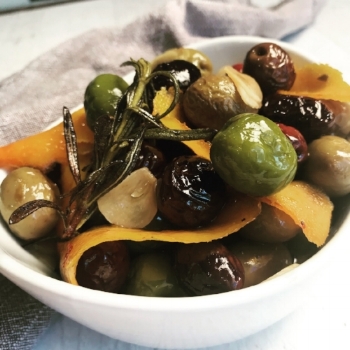
Use the recipes below as inspiration to get started.

Looking for a place to find low sugar, organic wine. Check out Dry Farm Wines.
*https://oldwayspt.org/traditional-diets/mediterranean-diet
Advice for Staying Regular When You Travel
I believe travel is an important part of life. It expands our understanding of the world around us which makes us better humans. Meeting new people, seeing amazing beauty, having special time with loved ones and trying new foods can be transformative. Unfortunately, there can be a side effect. If you get constipated when you travel, you are not alone. Disrupting our regular routine, changing time zones and eating that new food can be hard on our gut health. Try some of these strategies to help you worry less and have more adventure.

I believe travel is an important part of life. It expands our understanding of the world around us which makes us better humans. Meeting new people, seeing amazing beauty, having special time with loved ones and trying new foods can be transformative. Unfortunately, there can be a side effect. If you get constipated when you travel, you are not alone. Disrupting our regular routine, changing time zones and eating that new food can be hard on our gut health. Try some of these strategies to help you worry less and have more adventure.
Take magnesium.
Magnesium is mineral found abundantly in the body and involved in many different enzymatic reactions in the body. There are several different types of magnesium, but in particular magnesium citrate is a safe and great laxative. I recommend that people start with one capsule per night and increase every one-three nights by one capsule until they get soft stools once or twice per day.
Focus on fiber and bring (organic) prunes.
Fiber is magic for constipation. Fiber is the indigestible component of food that adds bulk to our stool. Traveling can make it challenging to eat your daily fiber minimum. Bringing fiber supplements along for the ride can make your journey easier. Prunes are a great option. They travel easy and make a sweet snack on the go. Many people only need three to four to maintain a regular bowel movement. Other great options include chia seeds to add to smoothies, psyllium husk or ground flaxseed. Berries are also rich in fiber and antioxidants.
Stay hydrated.
Dehydration can be a big culprit contributing to constipation. Travel with a favorite refillable water bottle and aim to drink half your body weight in ounces of water.
Have some caffeine.
A small amount of caffeine such as a cup of coffee or espresso may be helpful for resetting the gut and getting things moving. Enjoy the cup in the morning so that it does not interfere with your sleep and melatonin production.
Even with a combination of these tips, some people still feel “off” while traveling. That’s ok. Give yourself a day or two to recover. However, if constipation is a regular occurrence there may be something more significant for you to address. Schedule an appointment with Relish Health and let's figure it out together.
Traveling with Special Diets
For many people with chronic illness, major dietary changes are part of the healing process. Changing one’s lifestyle is never easy, but travel can be especially stressful. I’ve learned through years of experience that following a strict diets is possible on the go. Below are a few strategies that have served me well over the years.

For many people with chronic illness, major dietary changes are part of the healing process. Changing one’s lifestyle is never easy, but travel can be especially stressful. I’ve learned through years of experience that following a strict diets is possible on the go. Below are a few strategies that have served me well over the years.
Travel prepared
Ok this one is not new, but it bears repeating. You will reap dividends by doing some prep at home. This may simply mean packing a brown bag for the plane or may be as complex as packing groceries for the entire get-away. The last thing you want is to feel ill or constantly worry about your food source while trying to enjoy some R&R.
Stay in hotels with kitchenettes or use Airbnb to score an entire kitchen set up
Everybody’s idea of a vacation is different, but for me cooking and having my own kitchen is preferred while away from home. I’ve collected a few go-to recipes that are fast, easy and require little equipment. For our family, reducing the number of meals eaten out makes our dining experience special and helps us minimize the search for the next diet friendly location.
Use a meal kit services
Consider buying meal kits from companies like Plated, Blue Apron, Sun Basket and others for vacations when you have access to a kitchen. Depending on your travel destination, the pre-portioned meal kits could even be delivered to the location of your choice or transported with you. The convenience of the kit and the curated menu items may make cooking while on vacation a little more palatable.
Order groceries online at your final destination
Flying to a beach condo but need a week’s worth of supplies? Search the groceries in the vicinity of your final destination and look for one that has curbside grocery pick up. On your way to the condo simply swing by and fill the trunk without roaming the isle of an unfamiliar grocery.
Eat at the grocery
Most stores have a deli, salad bar and hot food counter as well as tables for lingering. I like Whole Foods as the smaller size allows a quicker meal on the road or in a city on a business trip. Eating at the grocery may not be glamorous, but it allows you the ultimate flexibility with quantities and ingredients. This is a lifesaver for avoiding fast food restaurants during road trips.
Do some local research with Yelp
Yelp rarely lets you down. I rely heavily on Yelp when I enter a new city. Look for restaurants that list allergens on their menus. The restaurants that are savvy enough to call out items like gluten can also likely handle other requests.
Be “That guy”
While nobody wants to be difficult or stand out as needy and demanding at a restaurant, the truth is food sensitivities are real. You are not alone in making requests to the kitchen. Chances are high they already have a solution for the sensitivity you are addressing.
Make your own Entree
Often components of different meals will meet your dietary needs but the entree as a whole doesn't. Don't be afraid to mix and match sides and entrees from different dishes. Many kitchens can easily accommodate this request.
Enjoy!
Food is a great connecter of people and culture. Do your best to get out and taste the unique cuisine of your destination. Don’t be afraid to politely ask questions about ingredients and cooking methods. Having a food sensitivity may allow you to learn more about the food culture than you otherwise might have. You may come home with new inspiration and recipes!